
Choosing Lollypop Preschool Bali for Your Child’s First School
When families base themselves in Kerobokan, Umalas or Seminyak, Lollypop Preschool Bali often appears on shortlists. It mixes an English-medium preschool feel with clear links to Indonesia’s school system.
The Lollypop Preschool Bali official site describes a dual-curriculum approach under the SLK umbrella. That means early years can flow into primary grades without changing foundations.
In practice, Lollypop Preschool Bali offers IEYC-style topics, Montessori-style materials and plenty of play. The goal is to keep learning hands-on while gently preparing children for more structured primary work.
As part of Sekolah Lentera Kasih, SLK Bali and Lollypop operate as an SPK school. This places them between fully “international” brands and purely national schools on fees and regulation.
Families weighing Lollypop Preschool Bali for a one- or two-year stay must also pay study fees and rules. Non-refundable payments and full-term charges still apply if you leave mid-semester.
Indonesia’s SPK framework, overseen by the Ministry of Education, shapes how Lollypop Preschool Bali blends national and international elements. This guide turns that context into clear, practical notes for 2026 parents.
Why Lollypop Preschool Bali Appeals to Kerobokan Families
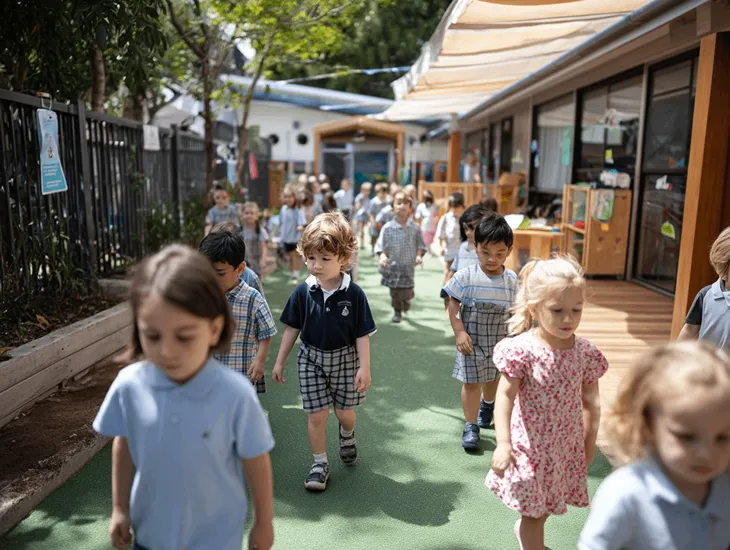
Lollypop Preschool Bali sits on Jl. Gunung Salak, close enough to Kerobokan, Umalas and Seminyak to keep drop-offs realistic. For many families, this location matters more than a postcard rice-field view.
Parents like that Lollypop Preschool Bali have worked in Bali since the early 1990s. That history means a stable reputation, returning siblings and a mix of Indonesian and expat families in each cohort.
For long-stay parents, the path into primary within the same foundation is a big plus. Shorter-stay families appreciate that Lollypop Preschool Bali is English-medium but still respects local culture and Bahasa.
Lollypop Preschool Bali Curriculum, Approach and Languages
Lollypop Preschool Bali uses a dual-curriculum model. Internationally, it leans on IEYC-style themes and Cambridge-aligned thinking, while still meeting Indonesia’s national requirements as an SPK school.
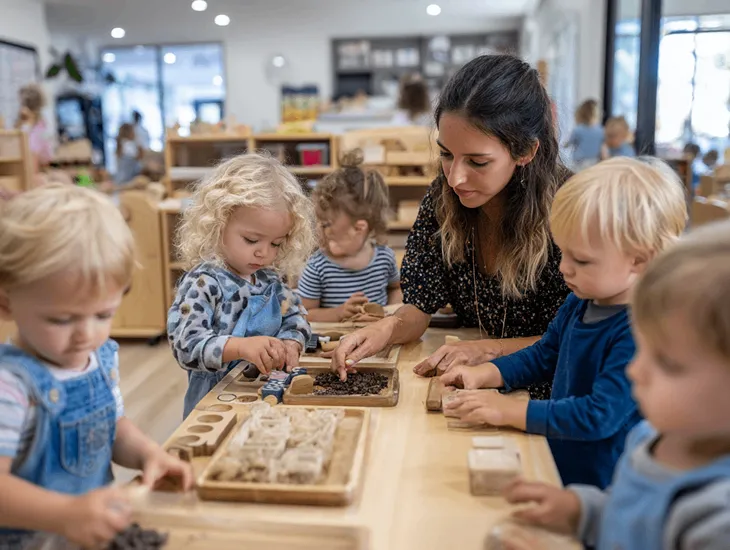
Classrooms at Lollypop Preschool Bali tend to be full of Montessori-style materials, sensory trays and practical-life corners. Children are encouraged to move, explore and try tasks with their own hands.
Language-wise, Lollypop Preschool Bali teaches mainly in English, with regular Bahasa Indonesia and Mandarin. This helps local children keep their roots and expat children gain regional skills early.
Daily Schedule and Care Options at Lollypop Preschool Bali
Lollypop Preschool Bali typically runs five days a week. Toddlers may come for shorter two-hour sessions, while Nursery to Preparatory levels stay for three to five hours depending on age.
This staged schedule lets Lollypop Preschool Bali match stamina. Younger children get time to settle into group life, while older ones can handle longer mornings or early afternoons of structured activity.
For working or digital-nomad parents, the timetable at Lollypop Preschool Bali pairs well with nanny or driver support. It is long enough for focused work windows, but not so long that young children run out of energy.
Lollypop Preschool Bali Fees, Admissions and Key Conditions
Lollypop Preschool Bali publishes detailed price lists. Parents can see admission and registration fees, refundable deposits, annual tuition levels and how sibling or early-payment discounts apply by grade.
Admissions at Lollypop Preschool Bali usually involve forms, ID copies and, for older levels, reports from previous schools. Expat families are asked for passports and KITAS for both parents and child.
One key detail: fees at Lollypop Preschool Bali are non-refundable and non-transferable once paid. Families leaving mid-semester may still owe full term amounts, which matters for uncertain Bali timelines.
Real Story — Choosing Lollypop Preschool Bali as First School
When Sofia and Dimas moved from Jakarta, they wanted a gentle first step for their three-year-old. Lollypop Preschool Bali felt familiar enough, but also more international than their old neighbourhood playgroup.
A trial class at Lollypop Preschool Bali showed their son happily rotating between Montessori shelves and outdoor play. Teachers switched between English and Bahasa, which reassured both parents.
After a year, they say Lollypop Preschool Bali made the move smoother. Their son picked up English phrases, kept his Indonesian songs and walked into Grade 1 feeling confident rather than overwhelmed.
How Lollypop Preschool Bali Compares with Other Bali Preschools
Compared with boutique villas or nature camps, Lollypop Preschool Bali feels more like a compact school campus. Families who prioritise structure and continuity often see that as an advantage.
Fee-wise, Lollypop Preschool Bali tends to sit below major IB campuses but above small local playgroups. The dual-curriculum SPK status explains some of that middle position.
If your long-term plan includes transitions back to Jakarta, Singapore or other cities, the English-medium and Cambridge-linked pathway at Lollypop Preschool Bali provides an easier story for future schools.
Supporting Home Life with Lollypop Preschool Bali and Nannies
Lollypop Preschool Bali fits neatly into a Bali routine that includes nanny support. Morning sessions create predictable blocks for nannies to manage drop-offs, pick-ups and naps.
Parents who work from home often like that Lollypop Preschool Bali is structured but not full-day. Children spend part of the day socialising and learning, then come home for family time.
If your nanny helps with homework or language, you can ask teachers at Lollypop Preschool Bali for simple tips. Aligning routines between home and school tends to help shy children settle faster.
Checklist to Decide if Lollypop Preschool Bali Fits Your Child
Start by mapping your home base. If you live near Kerobokan, Umalas or western Denpasar, Lollypop Preschool Bali may offer shorter, calmer commutes than more distant campuses.
Next, list what you want from the curriculum. If you want an English-medium, dual curriculum with options to continue into primary, Lollypop Preschool Bali belongs on your visit list.
Finally, overlay your budget and visa horizon. Check fee structures, refund rules and likely length of stay. If numbers and timelines still feel comfortable, book a trial session at Lollypop Preschool Bali.
FAQ’s About Lollypop Preschool Bali for Curious Parents ❓
Q: What age range does Lollypop Preschool Bali serve?
A: Lollypop Preschool Bali focuses on roughly 1.5–6 years in early years, with a linked pathway into primary grades under the same foundation.
Q: Where is Lollypop Preschool Bali located?
A: Lollypop Preschool Bali sits on Jl. Gunung Salak in Kerobokan, on the Denpasar–Badung fringe, handy for Kerobokan, Umalas, Seminyak and western Denpasar.
Q: What curriculum does Lollypop Preschool Bali follow?
A: Lollypop Preschool Bali uses a dual curriculum, blending IEYC-style international themes and Cambridge-aligned elements with Indonesia’s national curriculum as an SPK school.
Q: What languages are used at Lollypop Preschool Bali?
A: Lollypop Preschool Bali teaches mainly in English, with Bahasa Indonesia and Mandarin as additional languages to support both local and global pathways.
Q: How does Lollypop Preschool Bali handle fees and refunds?
A: Lollypop Preschool Bali charges admission, registration, deposit and annual tuition. Fees are non-refundable and non-transferable once paid, so planning ahead is important.
Q: Is Lollypop Preschool Bali suitable for short-stay families?
A: Lollypop Preschool Bali can work for short stays if you accept the fee rules. Its structured environment and English-medium approach help children settle quickly in a new country.