
Review Us
Animals in Bali 2026 – Safari park tickets, Bedugul farm house alpacas, and safe monkey forest tips for families
author

Best Places to See and Interact With Animals in Bali

Finding safe and ethical wildlife encounters for children is often a major challenge for parents traveling abroad. You want magical moments, not guilt over poor animal welfare or safety risks.

Many roadside attractions lack proper veterinary care or international safety standards for their animal residents. It is difficult to distinguish between genuine sanctuaries and profit-driven tourist traps from a brochure alone.

Visiting an unethical venue can leave your children distressed by seeing unhappy creatures in small cages. Worse, aggressive behavior from unmonitored wildlife can lead to injuries or potential health scares.

You also face the logistical challenge of navigating humidity and traffic with exhausted toddlers. Without verified information, you might choose a location that is unsuitable for your child’s age or temperament.

This guide curates the most responsible and engaging venues to see Animals in Bali today. We cover 2026 pricing, safety protocols, and essential tips for a stress-free family adventure.

We vetted these locations to ensure they strictly adhere to rigorous safety and hygiene protocols. You will find clear age recommendations and practical advice to maximize your family’s fun safely.

Check the official Wonderful Indonesia website for the latest travel regulations before booking your tickets. Secure your itinerary with these vetted destinations that prioritize both animal welfare and visitor safety.

Marine and Safari Park in Gianyar

The Marine and Safari Park in Gianyar is a top destination for viewing Animals in Bali responsibly. It features expansive, open-range habitats that mimic natural environments found in Africa, India, and Indonesia.

Visitors travel through the enclosures in reinforced, air-conditioned trams for maximum safety and comfort. This setup allows you to observe tigers, lions, and hippos up close without disturbing their daily routine.

The tram journey includes a guided commentary that educates visitors about the habits of each species. It provides a fascinating insight into the diverse wildlife of Indonesia and the African savannah ecosystem.

Current pricing for 2026 is approximately IDR 750,000 for adults and IDR 620,000 for children. We recommend booking the “Jungle Hopper” package online to save time and access the waterpark.

The park places a strong emphasis on education rather than performance tricks during their animal presentations. This approach teaches children about conservation efforts and the importance of protecting endangered species globally.

You can also enjoy a night safari experience where you see nocturnal creatures in their element. Riding inside a caged tram while tigers roam freely outside is an unforgettable thrill for teens.

Educational Zoo Programs in Bali

Zoo Tickets in Bali 2026 – Breakfast with orangutans, jungle splash waterpark, and petting zoo safety for toddlers

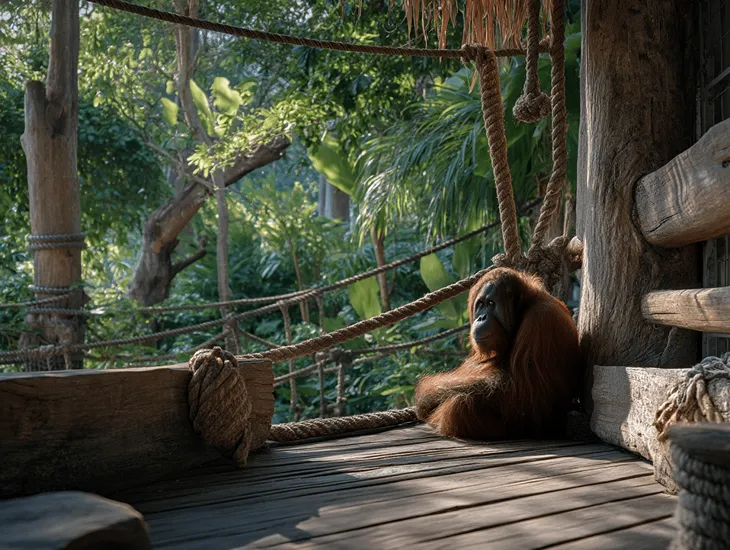
The main Zoo in Bali offers a more intimate setting for younger children to connect with wildlife. Their “Breakfast with Orangutans” program is a highlight, allowing families to dine near these majestic primates.

This facility prioritizes “observation and educational” models over forced interactions or unnatural performances. Staff members are always present to ensure that both the animals and the children remain safe.

The petting zoo area allows gentle interaction with domesticated animals like rabbits and deer. It is a perfect introduction for toddlers who might be intimidated by larger, wilder creatures.

Tickets typically cost between IDR 400,000 and IDR 600,000 depending on the package you choose. The zoo also features a large “Jungle Splash” water playground which is perfect for cooling off.

Hygiene standards are high, with hand-washing stations available throughout the petting zoo areas. It is a fantastic spot to introduce toddlers to friendly animals like deer and rabbits.

Parents appreciate the stroller-friendly paths that wind through the lush tropical gardens. The layout makes it easy to navigate the entire park without exhausting little legs during the day.
Exotic Bird Sanctuary in Indonesia

The Bird Park in Gianyar houses over one thousand birds across two hundred and fifty different species. The park is divided into regions, recreating the natural habitats of South America, Africa, and Indonesia.

Walk-in aviaries allow you to be surrounded by colorful birds flying freely above your head. It is a sensory delight for children who can see pelicans, parrots, and peacocks without barriers.

Admission fees are around IDR 385,000 for adults and IDR 190,000 for children in 2026. The park also hosts a 4D cinema experience that is both entertaining and educational for kids.

Daily bird shows demonstrate the natural flight and hunting skills of eagles and owls. This venue is widely respected for its successful breeding programs for the endangered Bali Starling.

The park grounds are meticulously landscaped, providing plenty of shade for hot afternoons. You can stop at the open-air restaurant to watch flamingos wade in the pond while you eat.

It serves as a vital center for avian conservation and research in the region. Your visit contributes directly to the protection of rare Indonesian bird species facing extinction.

Sacred Monkey Forest in Ubud

The Sacred Monkey Forest in Ubud is a sanctuary for over seven hundred gray long-tailed macaques. These monkeys roam freely within a lush temple complex that dates back to the 14th century.

Visitors must adhere to strict rules, such as not hiding food and avoiding direct eye contact. These protocols are essential to prevent aggression and ensure a peaceful interaction with the troop.

Entrance fees are affordable, costing IDR 80,000 to IDR 100,000 for adults and slightly less for children. Walking paths are paved but can be slippery, so sturdy footwear is highly recommended.

This site offers a unique cultural experience where Animals in Bali are revered as temple guardians. It provides a fascinating lesson in the coexistence of nature and spirituality in Balinese culture.

The forest canopy is dense, offering a cool retreat from the midday sun in Ubud. Ancient banyan trees with hanging roots create a mystical atmosphere that feels like a movie set.

Staff members are stationed throughout the forest to assist visitors and manage the monkeys. They carry slingshots solely as a deterrent to keep aggressive males away from tourist pathways.

Real Story: The Miller Family

Emily Miller wiped sweat from her forehead as the humid air of Gianyar wrapped around her. Her three-year-old, Leo, was screaming, his face turning a shade of purple that matched her husband’s sunburn.

They had traveled from Sydney to show Leo the tigers, but the heat and crowds had triggered a massive meltdown. Emily felt the stares of other tourists and the sinking feeling of a ruined day.

She realized they were trapped in a “fun” activity that had become a test of endurance. Desperate to salvage the expensive outing, she pulled out her phone and contacted bali-nanny.com.

A calm, professional nanny named Komang met them at the park entrance within forty-five minutes. She immediately engaged Leo with a cooling fan and a quiet game, steering him toward a shaded cafe.

Emily and her husband were finally able to breathe and enjoy the safari tram ride together. Knowing Leo was happy and cool with Komang turned a potential disaster into a cherished holiday memory.

Farm House Experience in Bedugul

Animals in Bali 2026 – Alpaca feeding, Tuscan barn views, and family farm activities in Bedugul

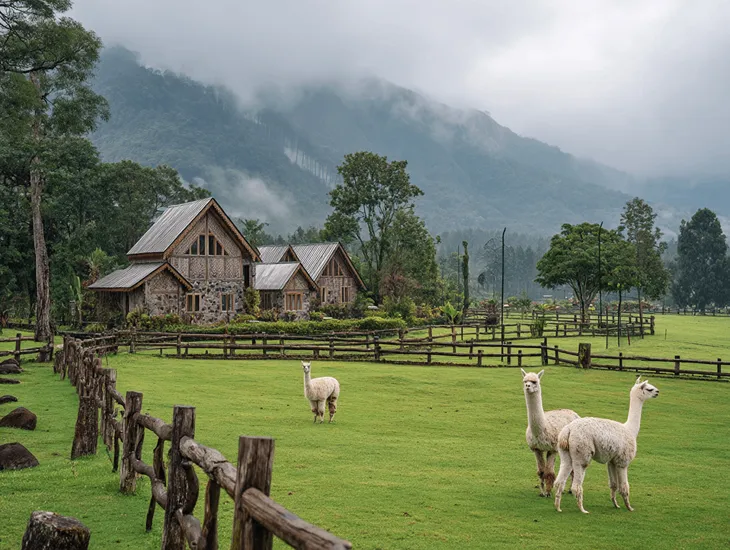
The Bali Farm House in Bedugul brings a slice of the European countryside to the tropical highlands. It is famous for being the home of friendly alpacas, which are rarely seen in this region.

Located in the cool hills of Pancasari, this open-air venue offers a refreshing break from the coastal heat. Families can walk through manicured gardens while interacting with gentle farm animals roaming the grounds.

Interaction here is supervised and calm, allowing children to feed the alpacas with specially prepared food buckets. It is a fantastic opportunity to see unique Animals in Bali in a comfortable climate.

Tickets are affordable, typically costing around IDR 125,000 for adults and IDR 100,000 for children. The entry fee includes access to the beautiful grounds and the chance to meet donkeys and ponies.

The architecture resembles a traditional Tuscan barn, providing a stunning backdrop for family photos. It feels like stepping into a storybook, making it visually appealing for parents and fun for kids.

Staff members are helpful and ensure that the animals are treated with respect during feeding times. They guide children on how to approach the alpacas gently to ensure a safe experience for everyone.

Ethical Tourism Standards in Indonesia

Ethical standards for wildlife tourism have improved significantly across the island in recent years. Many venues now prioritize conservation and education over mere entertainment to meet global expectations.

Responsible travelers should look for facilities that prohibit riding wild animals or forcing them to perform. Supporting venues that focus on rescue and rehabilitation ensures your money helps the animals.

Always check if the facility is a member of recognized international zoo and aquarium associations. This accreditation guarantees that the venue meets strict guidelines for animal housing, nutrition, and veterinary care.

Avoid buying souvenirs made from animal parts like shells, ivory, or feathers at local markets. Refusing these items discourages poaching and protects the future of Animals in Bali.

Educating your children about respectful observation is a key part of the travel experience. It teaches them to value wildlife in its natural state rather than as a prop for photos.

Safety Protocols for Families

Interacting with wildlife carries inherent risks that parents must manage carefully. Zoonotic diseases can be transmitted through bites or scratches, so maintaining a safe distance is crucial.

Teach your children never to touch an animal unless explicitly invited by a professional handler. Unexpected movements or loud noises from excited kids can easily startle even the calmest creature.

Wash your hands thoroughly with soap and water immediately after any petting zoo activity. Most reputable venues provide sanitization stations specifically for this purpose to protect visitor health.

When visiting monkey forests, remove all loose jewelry, sunglasses, and food items from your person. These intelligent animals are notorious for snatching items from unsuspecting tourists.

Always carry a small first aid kit with antiseptic wipes and plasters for minor scrapes. Being prepared allows you to handle small incidents quickly without disrupting your entire day.

FAQs about Animal Interactions

Q: Is the Safari Park safe for toddlers?

A: Yes, the tram ride is secure and air-conditioned.

Q: Can I touch the monkeys in Ubud?

A: No, avoid physical contact to prevent bites.

Q: Are there alpacas in Bali?

A: Yes, you can find them at the Farm House in Bedugul.

Q: Do the parks have first aid?

A: Yes, major parks have clinics on-site.

Q: Is it safe to feed street dogs?

A: No, avoid contact due to rabies risks.

Q: What is the best time to visit?

A: Mornings are cooler and animals are active.

Need help seeing Animals in Bali, Chat with our team on WhatsApp now!