
Review Us
World Ocean Day in Bali 2026 – Community beach cleanups, marine education workshops, and coral reef restoration for families
author

5 Fun Ways to Support World Ocean Day in Bali

Many families notice plastic waste on local shorelines. This pollution damages the marine ecosystem in Indonesia. It creates a hazardous environment for children playing on the sand during their stay.

Toxic microplastics enter the food chain through local fish. This contamination threatens the health of residents and visitors. You can track the latest marine health data to understand the specific impact.

Participating in World Ocean Day in Bali facilitates environmental restoration. Families can join community efforts to restore the health of the sea. These actions ensure a cleaner future for the island.

Small steps lead to measurable environmental improvements over time. Engaging with local groups increases environmental awareness among participants. You can help protect the diverse species living in the local reefs.

This guide explores active ways to contribute this year. You will find practical advice for sustainable living in the tropics. Start your journey by following verified marine conservation standards for results.

Celebrating the sea promotes a structured approach to conservation. It allows your children to learn about biodiversity through direct action. Discover how your family can help the ocean in Indonesia today.

Join Organized Beach Cleanups

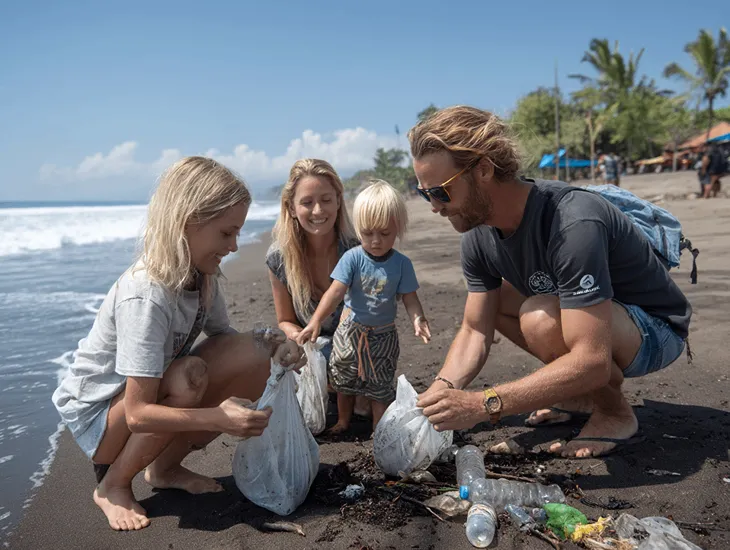
Many groups organize events for World Ocean Day in Bali. These gatherings bring residents together to remove debris from the coast. It is an effective way to improve the health of beaches.

Cleanups provide a safe environment for children to volunteer. They learn about the impact of littering while contributing to the island. Most events provide gloves and bags for all participants to use.

Local foundations coordinate these efforts across the island. You can find schedules for Kuta and Canggu online. Participating reduces the amount of waste entering the water during the busy holiday season.

Safety is a priority during these outdoor activities. Organizers ensure that sharp objects are handled by adults only. This allows for a family-friendly experience that benefits the entire ecosystem in Indonesia.

Support Coral Reef Restoration

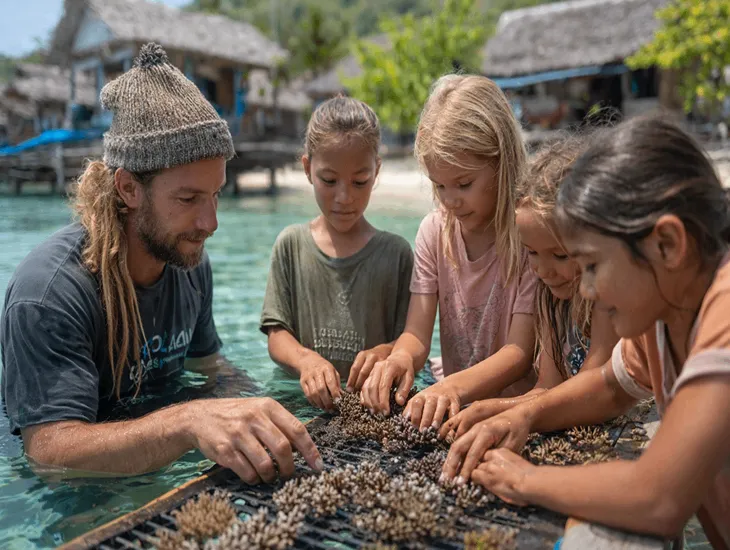
World Ocean Day in Bali 2026 – A close-up of a new coral fragment being attached to a restoration structure by a marine biologist

Coral reefs in Indonesia face threats from rising temperatures. Families can sponsor a reef structure to restore marine life. This support aids in the recovery of vital aquatic ecosystems in the region.

Many projects offer workshops on coral planting. You see how scientists attach fragments to nursery beds. This hands-on experience is informative for children and adults interested in the marine environment today.

Restored reefs provide habitats for fish and turtles. By contributing, you help preserve the biodiversity of the island. These initiatives are essential for the survival of the coastal environment in the tropics.

Sponsoring a reef often includes a digital update. You can track the growth of your coral over several years. This creates a lasting connection between your family and the local marine park.
Adopt Plastic Free Living in Bali

Reducing single-use plastic is vital for ocean health. Families can switch to reusable bottles for daily outings. This simple change prevents items from entering the landfill in Indonesia throughout the year.

Support businesses that prioritize sustainable packaging. Many cafes in Seminyak use bamboo straws and compostable containers. Choosing these venues encourages a shift toward eco-friendly practices across the entire island of Bali.

Educate your children on the importance of recycling. Setting up a structured sorting system makes the process easy. It ensures that waste is managed correctly to protect nature and the local coastline.

Small adjustments in your daily routine make a difference. Avoid purchasing products with excessive plastic wrap. This proactive approach reduces your family’s footprint while living in a tropical paradise like Indonesia.

Choose Sustainable Seafood Options

Selecting responsible food sources protects the marine population. Look for certifications that guarantee fish are caught using ethical methods. This prevents overfishing and preserves the balance of the ocean in Bali.

Many restaurants highlight sustainable choices on their menus. Asking about the origin of your meal promotes transparency. It supports local fishers who use traditional and safe methods for their daily catch.

Avoid species that are endangered or harvested during breeding seasons. This ensures that fish populations can recover. It is a critical step for maintaining food security and marine health in Indonesia.

Learning about local fish species is an engaging family activity. Visit markets in Jimbaran to see the variety available. This connection to the source helps children understand the importance of conservation efforts.

Participate in Ocean Education

Educational workshops provide insights into marine life. Many centers host talks for World Ocean Day in Bali this year. These sessions cover topics like tide cycles and sea turtles in Indonesia.

Interactive exhibits allow children to explore the sea. They see models of whales and dolphins found in local waters. This builds curiosity and a desire to protect the aquatic world for everyone.

Schools often partner with foundations for environmental programs. These initiatives teach the next generation about the fragility of the sea. It fosters a culture of stewardship among young residents and traveling families.

Knowledge is a powerful tool for environmental change. By understanding the challenges, families can make better choices. Learning together ensures that every family member is informed and ready to help the coast.

Real Story: Leo’s Uluwatu Shoreline Cleanup

Leo (38, Canada) lived in Uluwatu and monitored the plastic waste on local shorelines daily. He sought a verified organization to facilitate a reef restoration project for his daughter during the holiday.

Plastic pollution on Uluwatu beaches created a hazardous environment for Leo’s daughter. He required a structured volunteer opportunity that followed professional safety standards. He spent hours searching for a marine conservation group.

The team successfully cleared the designated shoreline area. Leo spent the weekend planting corals with his family safely. His daughter now recognizes the importance of keeping the shorelines clean for the future.

Leo realized that giving back is faster than waiting for others to act. It is a rewarding way to spend a family weekend. He now encourages other expats to use verified charity channels.

Community Stewardship in Bali

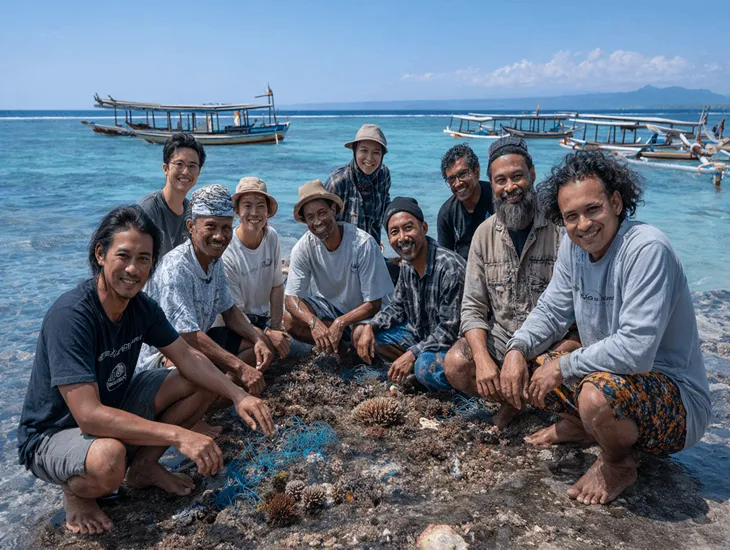
World Ocean Day in Bali 2026 – Local community leaders and expat volunteers planting mangroves in a protected coastal zone

Local communities play a major role in coastal protection. Traditional leaders manage marine protected areas in Bali. Respecting these zones ensures that fish can breed without interference from visiting boats or swimmers.

Volunteering with local groups builds strong community ties. It allows expats to contribute to the island’s well-being. These collaborations are essential for the success of environmental projects across the province of Bali.

Stewardship involves reporting illegal fishing to authorities. Protecting the sea requires a collective effort from all residents. Staying informed about local regulations helps maintain the integrity of the marine zones in Indonesia.

Sharing your conservation journey inspires others to take action. Use social media to highlight the beauty of the reefs. This positive messaging encourages sustainable tourism and attracts support for local marine foundations.

Environmental Policy in Indonesia

The government is implementing new rules to protect the sea. These policies focus on waste management and traffic control. Supporting these measures is essential for a sustainable future for the local ecosystem.

Stricter regulations on plastic production help reduce pollution. Many regions have banned single-use bags in retail stores. This legal framework provides the foundation for environmental improvements in the coming years in Indonesia.

Investment in wastewater treatment protects the quality of the ocean. Ensuring that runoff is clean prevents reef damage. This infrastructure is a priority for the government and residents in the Denpasar area.

Advocating for stronger protection of marine parks is a global effort. International cooperation helps manage transboundary pollution. Every voice contributes to a healthier and more resilient aquatic world for our children.

FAQs World Ocean Day for Family in Bali

Q: When is the event held?

A: World Ocean Day in Bali is celebrated annually on June 8th across the island.

Q: Can kids join beach cleanups?

A: Yes. Most cleanup events provide age-appropriate safety equipment for families during the activity.

Q: Is there a fee for reef restoration?

A: Sponsoring a reef structure usually involves a donation for materials and monitoring of the coral.

Q: Where can I find cleanup schedules?

A: Check the social media pages of local environmental foundations for verified 2026 dates.

Q: Are sustainable seafood options common?

A: Yes. Many reputable restaurants in Bali now prioritize sustainable seafood choices on their menus.

Q: How can I help from home?

A: Reducing plastic use and educating your family are powerful ways to help the ocean daily.

Need help with World Ocean Day in Bali? Chat with our team on WhatsApp now!