
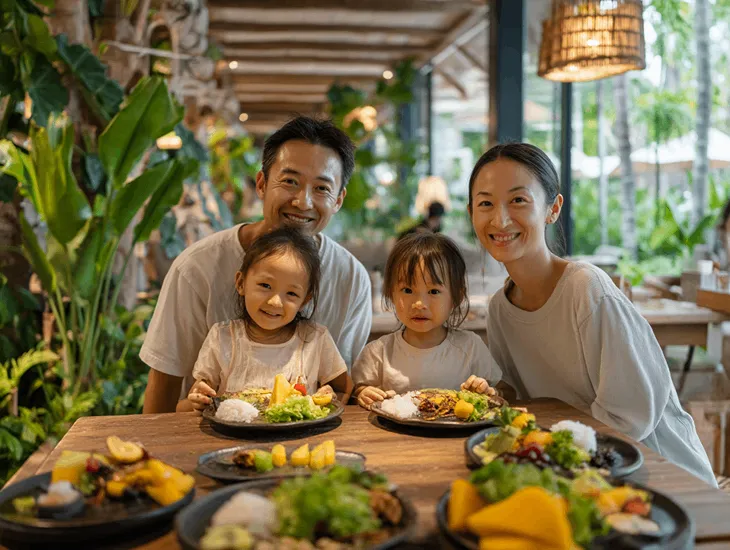

Kids’ brunch spots in Bali: Best Vegan Swaps for Allergies and Dietary Requirements
Managing food allergies during travel is difficult for parents. You worry about cross-contamination in local kitchens. Finding safe ingredients in a foreign language creates difficulty during your stay in Indonesia.
Food allergies create risks during your holiday. Without verified information, children risk exposure to dairy, eggs, or nuts. High heat and unfamiliar food standards increase danger for your youngsters.
Many traditional dishes use hidden allergens like shrimp paste. Limited options can make dining difficult for families. Local cafes in Bali offer natural, plant-based alternatives using local coconut and rice.
Fortunately, the island offers many natural, plant-based alternatives. You can find safe swaps using local fruits, rice, and coconut products. These ingredients provide essential nutrients without the risk of common allergens.
Professional guidance simplifies the search for safe dining options. Learning to navigate local menus ensures your family enjoys healthy meals. You can find vetted venues that follow international health guidelines.
This guide identifies the best vegan swaps for various dietary needs. We cover dairy, egg, nut, and gluten sensitivities. Start your journey toward a safe and inclusive dining experience in Indonesia now.
Table of Contents
Vetting Vegan Menus for Children in Bali
Reputable restaurants often provide clear allergen labeling. Parents should inspect menus for icons representing soy or nuts. Choosing venues with English-speaking staff improves communication regarding safety protocols.
Order simple dishes to reduce the risk of cross-contamination. Steamed vegetables or plain fruit are safe choices. Avoid complex sauces that might contain hidden animal products or allergens.
Request that staff use clean pans for your order. Shared equipment increases the danger of reactions in sensitive children. Professional kitchens often accommodate these requests when notified in advance.
Visual inspection of the kitchen adds another layer of safety. Open kitchens allow you to see how food is handled. Watch if staff change gloves between preparing different orders.
Safe Dairy Swaps for Kids
Coconut milk is a versatile alternative found across the island. It works well in smoothies and rice puddings for toddlers. This ingredient provides fats without the risk of lactose intolerance.
Oat and soy milk are also common in Western-style cafes. These milks are suitable for older children. Ensure products are fortified with calcium to support bone development in Indonesia.
Avoid unpasteurized dairy products to prevent food poisoning. Branded plant milks are safer in hot tropical climates. Check labels for added sugars to maintain a healthy diet for your youngsters.
Local vegetables like bok choy are excellent calcium sources. Incorporating these greens into meals boosts nutrient intake naturally. It reduces reliance on processed fortified milks during your family vacation.

Alternatives for Egg Allergies
Many Indonesian fried dishes contain eggs by default. Request your meal without egg to avoid cross-contamination. Professional chefs can prepare noodles using separate utensils and clean pans easily.
Mashed bananas serve as an excellent binder for home baking. Use them in pancakes or muffins for natural sweetness. This fruit is easily sourced from local markets in Bali.
Chia and flax seeds are effective egg replacers for older kids. They provide essential omega-3 fatty acids for brain development. Mix seeds with water to create a safe binding agent.
Aquafaba is a useful alternative found in canned chickpeas. This liquid whips up like egg whites for desserts. It is safe, accessible, and perfect for making vegan meringues.
Nut Free Options for Families
Peanuts and sesame are common ingredients in local sauces. Cross-contamination is a risk in small warungs or street stalls. Carry an allergy card with translated warnings for the kitchen staff.
Seed-based spreads offer a safe alternative to peanut butter. Sunflower or pumpkin seed butters provide proteins for snacks. These products are available in specialty health shops.
Use coconut cream for rich sauces instead of cashew cream. This swap maintains a creamy texture without the risk of tree nut reactions. It is a practical solution for families.
Identifying peanut sauce visually helps prevent accidental ingestion. It is often thick, brown, and served over salads or skewers. Teach your children to recognize and avoid this common condiment.
Managing Soy Sensitivities in Bali
Tofu and tempeh are staples in many vegetarian dishes. Parents must be vigilant when ordering plant-based meals. Soy sauce also contains allergens that can trigger a physical reaction.
Use legume-based proteins like lentils or beans for meat alternatives. These whole foods provide fiber and minerals for growth. They are safe options for children with a soy allergy.
Coconut aminos serve as a direct replacement for soy sauce. This condiment is gluten-free and soy-free. You can find this product in most large supermarkets across the island.
Young jackfruit is a popular meat substitute in local curries. It has a texture similar to pulled pork when cooked. This fruit is naturally soy-free and absorbs flavors well.
Gluten Free Vegan Choices
Rice and rice noodles are naturally gluten-free staples. They provide a safe energy source for active children. These items are available in almost every local and international restaurant.
Buckwheat pancakes and corn tortillas offer variety for breakfast. These grains are excellent vegan swaps for wheat-based products. They support a healthy digestive system for children with sensitivities.
Use rice flour for home-based baking projects in your villa. It is an affordable and accessible gluten-free alternative. This allows your children to enjoy safe treats without risking digestive discomfort.
Cassava flour, locally known as Mocaf, is widely available. It is an excellent gluten-free option for baking breads. Supporting local agriculture while keeping your diet safe is beneficial.
Real Story: Elena’s Dining Experience
Elena (34, Russia) lived in Uluwatu and required a safe dining plan for her son’s severe nut allergy. She found that local warungs often used hidden peanut ingredients. She sought a professional coordinator.
Hidden allergens in local Indonesian sauces created a medical risk for Elena’s son. She hired a private chef for her villa to control ingredient sourcing. The chef prepared safe meals using coconut milk and seeds.
This allowed Elena to establish a safe dining routine for her son. The professional support allowed her family to enjoy a healthy tropical holiday together.
The chef also taught Elena how to identify safe local ingredients. She learned to shop at traditional markets with confidence. This knowledge empowered her to cook safe meals independently.
Villa Based Cooking Safety in Bali
Cooking at home provides the highest level of safety control. Stock your villa pantry with safe packaged snacks and plant milks. This reduces reliance on external kitchens for every meal.
Use bottled water for washing all raw fruits and vegetables. Avoid using tap water to prevent stomach upsets or contamination. This hygiene practice is essential for families in the tropics.
Hire a private chef who understands specific dietary requirements. Many professionals specialize in vegan and allergy-friendly cooking. This service offers convenience and safety for your children during travel.
Sanitize kitchen surfaces before preparing allergen-free meals. Cross-contamination can occur even in private villas. Using separate cutting boards for specific ingredients adds an extra layer of protection.
FAQs about Vegan Dining for Kids
Q: Are there nut-free cafes in Bali?
A: Yes. Some venues in Sanur explicitly state they are allergy-friendly for families.
Q: Is coconut milk safe for infants?
A: Only if advised by a pediatric dietitian. Continue formula for children under two.
Q: Can I find gluten-free bread easily?
A: Yes. Healthy food shops in Canggu stock various wheat-free options.
Q: Do I need an allergy card?
A: Yes. Carry a translated card in Indonesian to communicate with kitchen staff.
Q: Is tempeh soy-free?
A: No. Tempeh is made from soybeans and must be avoided by sensitive kids.
Q: Are Western cafes safer for allergies?
A: Yes. They often follow strict hygiene protocols and understand cross-contamination risks.

