
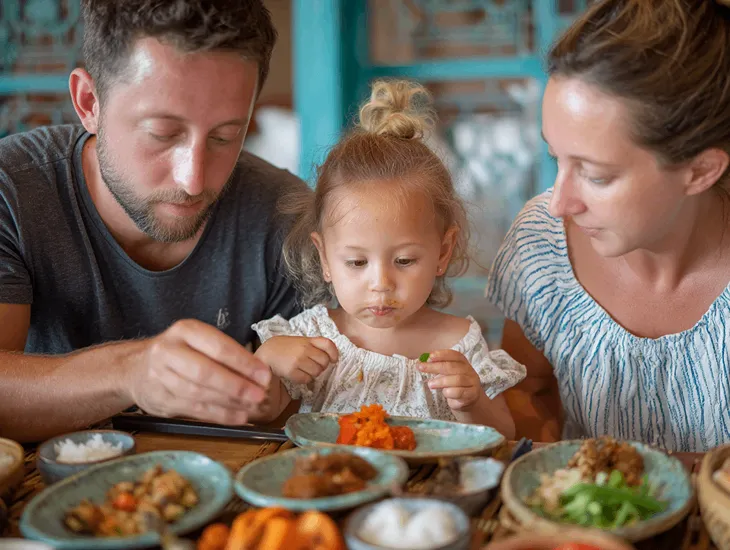

5 Ways to Help Picky Eaters in Bali Try New Food
Traveling with children often introduces unexpected dining challenges in a completely new foreign country. You might quickly realize your child refuses every unfamiliar dish presented. This constant refusal makes daily mealtime incredibly stressful today.
The intense tropical heat already drains your family’s daily energy levels quite significantly every day. Dealing with rigid food preferences leaves you feeling completely exhausted. It turns relaxing family dinners into incredibly frustrating daily battles.
You might resort to offering only plain crackers or constant snacks to easily cope. This harmful habit severely limits their nutritional intake during the trip. Missing out on vibrant local culture adds to your disappointment.
Tackling mealtime resistance requires a structured approach and immense daily patience. Helping Picky Eaters in Bali is entirely possible using proven clinical strategies. You can gradually encourage them to explore completely new local flavors safely.
By successfully implementing medical guidelines and exposure techniques, you significantly reduce dining anxiety. Children slowly learn to tolerate and eventually enjoy unfamiliar tropical meals. Your family can finally relax and embrace the culinary experience safely.
We use Indonesian Pediatric Society guidelines to establish healthy daily eating routines. Their specific rules provide a solid framework for managing mealtime resistance effectively. Following these medical standards ensures your child stays completely well-nourished today.
Table of Contents
Tip 1: Implementing the IDAI Feeding Rules
The foundation for resolving feeding difficulties starts with a structured daily schedule. Establishing clear meal times prevents the harmful habit of continuous snacking entirely. It helps your child naturally recognize their true hunger signals safely.
Pediatricians strongly recommend strictly following the effective two-thirty-two feeding rule daily. Ensure your child consumes nothing but fresh water for two hours beforehand. This strategy guarantees they sit at the family table feeling genuinely hungry.
Limit the mealtime duration to exactly thirty minutes maximum every single day. Do not stretch out dinner by chasing your toddler around the room. When the time is up, simply remove the plate without fuss.
Wait two full hours before offering any snacks or milk. This predictable schedule is crucial for helping Picky Eaters in Bali succeed. It trains their metabolism to recognize when it is time to eat daily.
Tip 2: Offering Repeated Micro-Exposures Safely
Children often require up to fifteen separate exposures before accepting a new food. Many frustrated parents give up after only three unsuccessful tasting attempts. Patience is your vital asset when gently introducing unfamiliar tropical ingredients.
Start by offering tiny portions of new items alongside familiar safe foods. Placing a single spoon of new vegetables drastically reduces dining anxiety. It allows Picky Eaters in Bali to interact safely without feeling pressured.
Encourage active sensory exploration before expecting them to swallow a full bite. Let them safely touch, deeply smell, or lightly lick the unfamiliar ingredient first. This playful interaction gradually normalizes the completely new food mentally.
Model positive eating behaviors by actively enjoying the exact same healthy meal yourself. Children love mimicking their parents and siblings during shared family dinners. Seeing you eat the food builds their confidence to try it.

Tip 3: Using Local Dishes as Bridge Foods in Bali
The vibrant local culinary landscape offers incredibly mild and highly customizable entry points. Many traditional dishes can easily be adapted for sensitive young palates. You can order customized meals that gently introduce new textures perfectly.
A simple plate of plain nasi goreng is an excellent initial bridge food. You can easily request it cooked without any spicy chili or sambal. This familiar fried rice format is usually very well received.
Grilled chicken satay provides a fun, highly interactive dining experience for children. The familiar concept of meat on a stick feels incredibly safe to them. Serve the peanut sauce strictly on the side always.
These customized introductions are incredibly effective for Picky Eaters in Bali today. They perfectly bridge the gap between their rigid preferences and new cultural experiences. You can slowly increase the flavor complexity as confidence grows.
Tip 4: Avoiding Distractions and Pressure During Meals
Using bright digital screens as electronic babysitters during dinner actively hinders nutritional progress. Distracted eating completely prevents children from recognizing their own natural satiety cues. They swallow food mindlessly without ever processing the actual taste.
Forcing a child to finish a challenging plate heavily increases their food aversion. Immense pressure creates a highly stressful environment that completely ruins their appetite. It turns the dining table into a negative, anxiety-inducing battleground.
You must practice highly responsive feeding by providing healthy options within firm boundaries. The parents strictly decide what healthy food is served and when. This responsive approach effectively manages fussy eaters in Bali daily.
Keep the dining environment incredibly pleasant, totally calm, and strictly screen-free always. Engage in lighthearted family conversations that do not focus heavily on eating. A beautifully relaxed atmosphere encourages natural curiosity and a better appetite.
Tip 5: Knowing When to Seek Professional Support
Sometimes intense food refusal signals a much deeper underlying medical or developmental issue. If your child exhibits severe weight loss or completely stalled physical growth, seek help. Early intervention is critical to prevent severe deficiencies.
Watch closely for highly distressing physical red flags during regular family meal times. Frequent gagging, sudden choking, or intense screaming requires an immediate professional medical evaluation. These serious symptoms might indicate undiagnosed oral-motor sensory issues.
Do not wait to consult a highly qualified local pediatrician regarding your concerns. They can accurately track growth charts and completely rule out underlying medical conditions. A prompt assessment provides immense peace of mind always.
If necessary, they will confidently refer you to specialized feeding therapists locally. Experienced multidisciplinary teams offer structured interventions that tackle behavioral issues effectively. These advanced programs are highly beneficial for extreme fussy eaters in Bali.
Real Story: Overcoming Food Neophobia in Indonesia
Living in the tropics is great, but trying to feed a stubborn three-year-old here is a nightmare. Belen, a 31-year-old Spanish woman from Cordoba, moved in late 2023, and dinnertime quickly became a frustrating battleground.
She found herself totally defeated when her daughter refused every local dish in favor of plain crackers. The endless snacking to keep her happy was severely backfiring and completely ruining her main appetite every day.
She needed a serious reset immediately. After consulting a local specialist, Belen dropped the intense pressure, turned off the iPad, and stuck to a highly strict feeding schedule. She completely changed her behavioral approach today.
Within a month, the daily dinner battles were replaced by her daughter actually trying and genuinely enjoying local grilled fish. This massive behavioral shift completely transformed their incredibly stressful daily dining experience into a peaceful activity.
Managing Cultural Differences and Snacking Habits
The relaxed beach club culture frequently encourages continuous, unhealthy snacking throughout the day. Constantly grazing on sweet juices and simple carbohydrates absolutely ruins their main appetite. It completely contradicts the structured rules required for dietary expansion.
You must firmly resist the sudden urge to offer immediate substitute meals constantly. If they reject dinner, do not quickly cook a separate batch of pasta. This highly accommodating behavior actively reinforces their rigid eating habits.
Local childcare providers might feel incredibly tempted to secretly sneak food to children. Cultural norms often heavily equate continuous feeding with showing deep love and care. You must clearly communicate your strict feeding boundaries to nannies.
Explain the medical reasoning behind your structured meal schedules to your staff. Ensuring everyone follows the exact same rules is vital for fussy eaters in Bali. Absolute consistency prevents mixed signals and accelerates positive progress.
Practical Food Safety Guidelines for Expat Families
Food safety is an absolutely critical concern when expanding a child’s limited palate. Children with highly restricted diets already have incredibly sensitive, unpredictable digestive systems daily. A sudden bout of food poisoning causes massive dietary regressions.
Always prioritize dining at incredibly clean, highly reviewed restaurants and reputable hotel cafes. These established venues strictly maintain high hygiene standards for food storage and preparation. They are the safest environments for successfully trialing new dishes.
Exercise extreme caution when considering unregulated street food stalls for your sensitive toddler. While culturally authentic, the highly variable hygiene standards present an unnecessary health risk. Stick to carefully prepared, fully cooked meals during this transition.
Always explicitly request that all raw vegetables and fresh fruits be washed properly. Use only safe, filtered bottled water for all drinking and oral hygiene needs. Preventing common tropical stomach bugs keeps your feeding progress intact.
FAQs about Picky Eaters
Q: What defines picky eating in toddlers?
A: It involves a limited food repertoire, extreme neophobia, and refusing to eat, which significantly impacts their overall physical growth.
Q: Are Bali restaurants safe for toddlers?
A: Yes, reputable hotel cafes and highly reviewed venues strictly maintain high food hygiene standards for visiting expat families today.
Q: Can a nanny feed my picky eater?
A: Yes, provided you strictly train them to completely follow the responsive feeding rules and aggressively avoid any force-feeding methods.
Q: How do I manage Picky Eaters in Bali?
A: Use the 2-30-2 structured meal rule, offer tiny micro-exposures without pressure, and completely eliminate digital screens from the dining table.
Q: Should I force my child to eat vegetables?
A: No, intense pressure heavily increases their food aversion. Offer tiny, safe exposures alongside their familiar foods without any added stress.
Q: When should I seek feeding therapy?
A: Seek professional help if you suddenly notice stalled physical growth, unexpected weight loss, or intense emotional distress during daily meals.

