
Guide to Managing Child Allergic Reactions in Bali
Traveling overseas with a highly sensitive infant brings immense parental anxiety globally. The Indonesian Pediatric Society provides vital, evidence-based guidelines for families visiting Bali today.
You might suddenly face a severe medical emergency far from your trusted home clinic. The confusing local healthcare infrastructure often makes finding immediate pediatric assistance incredibly difficult during stressful moments.
Dealing with severe food intolerances or sudden insect stings requires absolute precision. The intense tropical heat and unpredictable traffic severely complicate urgent hospital transport during a rapidly escalating anaphylactic shock event.
A mild skin rash can unpredictably escalate into a life-threatening respiratory crisis quickly. Without a clear emergency protocol, panicked parents risk making dangerous medical decisions that could severely compromise your infant’s health.
Understanding how to properly handle Child Allergic Reactions in Bali prevents tragic outcomes. Implementing proactive screening measures and securing exact hospital routes empowers expat families to act decisively and confidently always.
This comprehensive clinical guide carefully outlines exact emergency procedures and prevention strategies clearly. Equipping yourself with verified medical protocols ensures your precious children remain entirely safe while exploring this magnificent island.
Table of Contents
Understanding Key Allergy Types and Risks
Medical experts categorize allergies into distinct systems like respiratory, gastrointestinal, and severe systemic reactions. Mild symptoms like localized hives differ vastly from rapidly progressing anaphylaxis, which demands immediate emergency medical intervention.
Identifying specific dietary triggers through highly structured elimination diets is absolutely crucial here. Reliable local pediatricians strongly recommend carefully removing suspected allergens before reintroducing them safely under strict clinical observation always.
Preventative strategies heavily focus on optimizing early nutrition and controlling environmental allergen exposure. Exclusively breastfeeding infants and diligently reducing household dust mites effectively lowers the overall risk of developing severe asthma.
Distinguishing between a minor intolerance and a potentially fatal allergy dictates your response. Parents must accurately recognize these critical differences to effectively manage Child Allergic Reactions in Bali without any hesitation.
Emergency Management of Anaphylaxis in Indonesia
Anaphylaxis represents a severe, generalized medical reaction characterized by sudden and rapid onset. It typically involves severe respiratory distress, sudden cardiovascular collapse, or repetitive vomiting requiring urgent medical stabilization immediately.
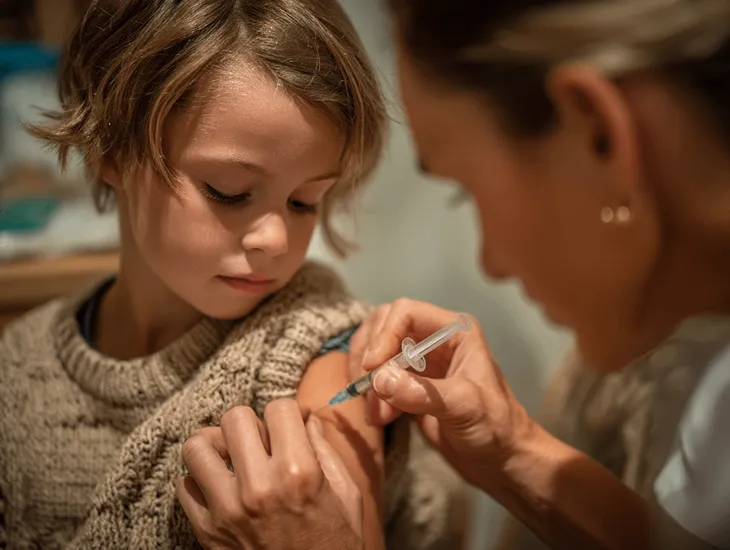
International clinical guidelines state that intramuscular epinephrine remains the definitive first-line emergency treatment. Administer this life-saving medication into the mid-outer thigh the moment you suspect systemic anaphylaxis.
Never substitute proven epinephrine injections with simple oral antihistamines during a severe crisis. Oral medications act entirely too slowly to safely halt a rapidly progressing, life-threatening cardiovascular or respiratory system failure.
After administering the prescribed autoinjector, you must immediately transport your child for observation. Medical professionals must carefully monitor the recovering patient for delayed biphasic reactions for several hours in a hospital.
Identifying Major Hospitals and 24/7 Clinics
Knowing exactly where to seek urgent pediatric help saves incredibly precious minutes safely. Keep emergency contact numbers readily accessible, specifically noting that dialing one-one-eight connects you directly to local ambulance services.
Leading facilities like BIMC Hospital provide comprehensive, round-the-clock emergency medical services for tourists. Their dedicated staff quickly triages walk-in patients and expertly handles severe pediatric trauma and complex systemic allergy cases.
Siloam Hospital also offers exceptional, highly capable emergency care with English-speaking medical staff. These modern facilities reliably accept incoming ambulances and provide immediate stabilization for rapidly deteriorating pediatric emergency patients consistently.
Always pre-identify your nearest capable emergency department upon arriving at your vacation villa. Mapping the fastest route ensures you can swiftly manage Child Allergic Reactions in Bali during a chaotic crisis.
Everyday Food and Environment Management
Strict dietary avoidance remains the most effective strategy for managing confirmed food allergies. Families must diligently read incredibly small labels on all processed foods to identify hidden milk or nut ingredients.
Cross-contamination poses a massive daily threat in busy local restaurant kitchens and warungs. You must clearly communicate your specific dietary restrictions to the kitchen staff using clear, printed Indonesian translation cards.
Prioritize dining at reputable hotels that strictly follow cross-contamination protocols. Unregulated street food stalls present highly variable hygiene standards, significantly increasing the hidden risk of accidental allergen exposure during your trip.
Tropical environments also introduce dangerous risks from unexpected insect stings and bug bites. Carrying prescribed epinephrine and wearing protective clothing effectively shields vulnerable children from severe outdoor environmental anaphylactic triggers safely.
Real Story: Navigating Anaphylaxis in Seminyak
Ulrich, a 48-year-old German expat from Hanover, had just settled in Seminyak in mid-2023 when every allergy parent’s worst nightmare happened. His son took one bite of a local chicken satay dish.
Within minutes, the hidden peanut sauce triggered severe hives and trouble breathing. With the chaotic street traffic outside their villa, waiting for an ambulance felt impossible and terrifying for the father.
Relying on his strict emergency plan, Ulrich grabbed his prescribed EpiPen. He administered the injection and rushed his son to the nearest hospital himself, effectively saving his young life that evening.
That terrifying night reinforced the absolute necessity of carrying detailed written action plans everywhere. His decisive, rapid actions perfectly highlight how to safely manage infant hypersensitivity under extreme pressure.
Screening Domestic Caregivers in Bali
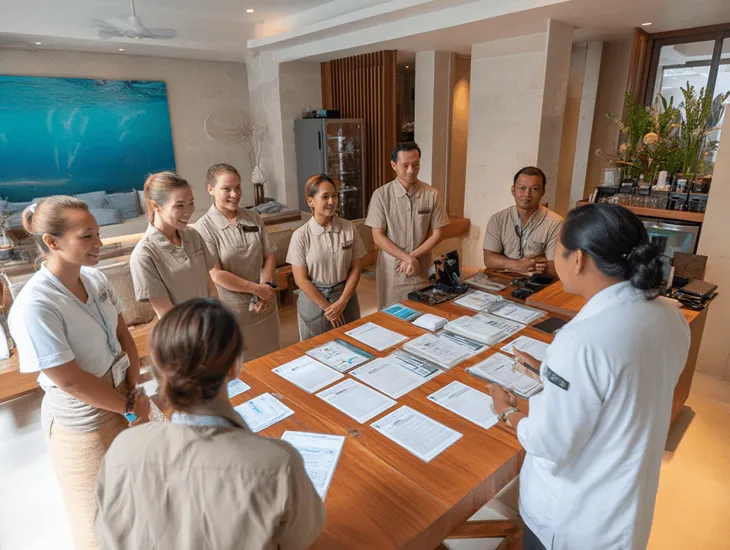
Hiring reliable domestic staff requires rigorous vetting to ensure complete pediatric medical safety. You must specifically verify whether potential nannies possess prior experience managing severe infantile dietary restrictions and sudden emergencies.
Never assume a local babysitter automatically recognizes the subtle early signs of anaphylaxis. You must explicitly train them to differentiate between harmless skin rashes and potentially fatal respiratory breathing difficulties immediately.
Provide highly detailed, written emergency action plans translated clearly into fluent Bahasa Indonesia. This essential document must clearly outline exact medication dosages and list the primary contact numbers for local ambulances.
Physically demonstrate the correct, safe usage of your prescribed epinephrine autoinjector with them. Rehearsing these precise emergency steps strongly empowers your domestic staff to act decisively during a sudden medical crisis.
Preparing Written Action Plans for Schools
International educational institutions strictly require personalized, comprehensive allergy action plans for enrolled students. These detailed medical documents must meticulously outline known triggers, early warning symptoms, and precise emergency treatment protocols clearly.
Parents must proactively share these vital instructions with all relevant teachers and nurses. Ensuring that school staff perfectly understand the emergency procedures prevents tragic delays during a sudden playground allergy attack.
You must confirm that your chosen school maintains unexpired epinephrine autoinjectors on site. Educational facilities must prioritize regular staff training regarding correct injection techniques and immediate emergency hospital transport protocols always.
Without clear instructions, school administrators might transport your child to an unequipped clinic. Providing explicit directives effectively controls how institutions manage infant hypersensitivity during your temporary physical absence.
Long-Term Prevention and Medical Pathways
Long-term preventative strategies focus heavily on identifying genetically at-risk infants early in life. Promoting exclusive breastfeeding provides natural immune support, though it cannot entirely prevent complex conditions like chronic childhood asthma.
Families staying long-term should actively collaborate with certified pediatric allergists whenever medically possible. These specialized clinicians can formally confirm diagnoses through highly controlled elimination diets and specific skin prick laboratory testing.
Local availability of highly specialized pediatric allergists remains quite limited across the island. Expat families may need to routinely travel to larger medical centers in Jakarta for advanced, comprehensive allergy evaluations.
Securing reliable access to imported epinephrine autoinjectors often requires extensive prior logistical planning. You must bring sufficient, unexpired emergency medication from your home country to guarantee absolute safety during your stay.
FAQs about Allergy Management
Q: What is the first treatment for anaphylaxis?
A: Intramuscular epinephrine is the primary, life-saving treatment for any severe allergic reaction.
Q: Which hospital handles emergencies best?
A: BIMC and Siloam Hospitals offer exceptional 24/7 pediatric emergency care for severe allergies.
Q: How do I communicate allergies to restaurants?
A: Use clear, printed translation cards in Bahasa Indonesia specifying your exact dietary restrictions.
Q: Can I buy EpiPens at local pharmacies?
A: Availability is unconfirmed; parents must bring sufficient unexpired autoinjectors from their home country.
Q: What emergency number should I call?
A: Dial 118 immediately for urgent ambulance services during a severe medical crisis.

