

5 Ways to Strengthen Child Bonds in Bali
Relocating to a tropical island sounds idyllic, yet many families struggle to maintain strong Child Bonds in Bali. New schools, unfamiliar customs, and constant transitions can quietly weaken emotional connection at home.
Children often react to change with withdrawal or challenging behavior. Parents, juggling visas, housing, and routines, feel stretched thin. Without intentional time together, misunderstandings grow and daily stress replaces meaningful conversations.
Unstructured exploration sometimes increases anxiety rather than closeness. Busy beaches and crowded attractions distract from genuine interaction. Even well-planned holidays can feel rushed, leaving little room for reflection or emotional reassurance.
Strengthening Child Bonds in Bali requires deliberate shared experiences rooted in safety and respect. Exploring nature, engaging culture, and maintaining structure provide children with predictability while nurturing trust and communication.
Clear legal status and stable residency also reduce hidden stress that affects parenting. Reviewing official guidance from the Directorate General of Immigration helps families secure proper documentation and focus emotional energy where it matters most.
With mindful routines, shared adventures, and professional support when needed, Child Bonds in Bali can thrive. Stability, cultural awareness, and intentional planning transform island living into a foundation for long-term emotional security.
Table of Contents
Way 1: Shared Nature Exploration
Exploring the diverse natural landscapes of Indonesia provides a perfect backdrop for connection. Walking through botanical gardens or visiting quiet beaches allows for low-distraction time that encourages discovery and conversation.
For toddlers, short walks in botanical gardens or gentle beach play are ideal. These activities are sensory-rich and allow younger children to explore the world at their own pace with supportive parents.
Older children and teenagers often enjoy supervised rafting or family cycling trips. These shared adventures build trust and teamwork while providing a healthy outlet for energy and excitement in the outdoors.
Always prioritize safety by choosing lifeguarded beaches and following local flag systems. Understanding marine hazards and maintaining constant supervision ensures that your outdoor exploration remains a positive and secure experience.
Way 2: Cultural and Creative Activities in Bali
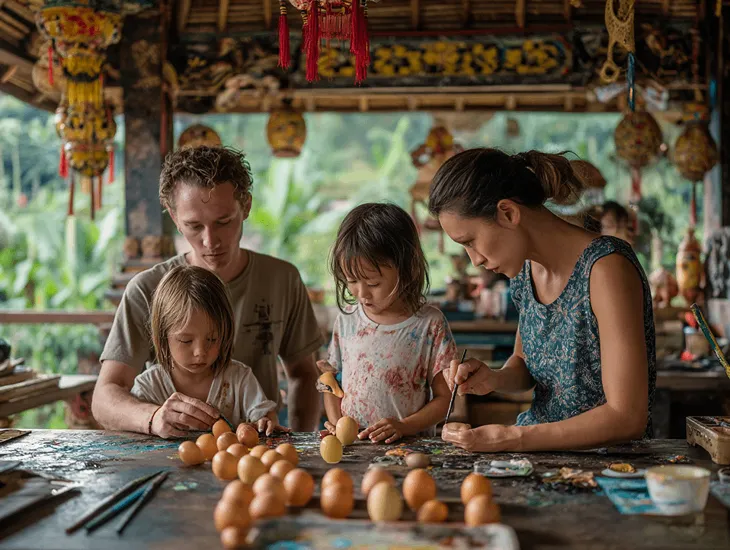
Shared cultural experiences like dance classes or traditional arts workshops offer high-value bonding. These activities open up meaningful conversations about local values while fostering a sense of shared community and identity.
Babies and toddlers benefit from sensory play using natural materials and gentle music. Short visits to calm temples provide a peaceful environment for parents and children to experience local spirituality together.
Primary-aged children can participate in craft workshops or beginner dance classes. These guided programs support both cultural learning and emotional connection as children master new skills alongside their parents.
Fostering connection through culture requires following temple dress codes and expectations. Explaining these rules beforehand helps children understand the importance of their surroundings and prevents unintentional disrespect during ceremonies.
Way 3: Water Adventures and Safety
Water parks and calm beaches are prime locations for active family bonding. When parents participate and follow strict safety guidelines, these experiences become foundational memories that strengthen parent-child relationships.
Toddlers enjoy shallow splash areas and floating with a parent in calm water. These gentle introductions to the water build confidence and allow for close physical contact that supports healthy emotional attachment.
Primary-aged children often prefer the excitement of structured water parks with family rides. These environments provide a safe space for controlled adventure and shared laughter that bridges the gap between generations.
Teens can engage in more complex activities like snorkeling or surfing lessons. Choosing certified schools that provide life jackets and safety briefings ensures that high-energy adventures remain safe and appropriate.
Way 4: Structured Routines for Child Bonds in Bali
Predictable daily schedules help children feel secure in a changing cross-cultural environment. Combining consistent meal times and sleep routines with dedicated talking time ensures that children feel heard and valued.
Integrating a nanny in Bali into your family routine requires clear communication. Guiding helpers through specific safety procedures and household rules ensures consistency in caregiving and discipline across the home.
Using daily logs to track a child’s activities maintains alignment between parents. This transparency reduces confusion and allows parents to remain fully informed about their child’s daily well-being and health.
Maintaining these routines is essential for fostering strong Child Bonds in Bali long-term. When children know what to expect, they are more likely to engage openly and trust the boundaries.
Way 5: Intentional Travel and Planning
Involving children in the planning process of island trips fosters responsibility and excitement. Letting them choose specific activities encourages joint decision-making and ensures that the travel experience is enjoyable for everyone.
Building in “slow time” without phones or rushing allows for nightly debriefs. These quiet moments of reflection or simple walks provide the space needed for children to express their feelings.
Reflecting on shared experiences during these trips deepens the emotional connection significantly. Asking children what they enjoyed most about their day validates their perspective and encourages honest communication.
Choosing family-friendly accommodation with safe play areas enhances the overall travel experience. Ensuring a comfortable environment allows the whole family to relax and focus on building lasting bonds.
Real Story: Essential Legal and Residence Requirements
After moving from Eindhoven to Uluwatu in mid-2025, Thijs expected the island lifestyle to automatically bring his family closer. Instead, the first months were chaotic—new school rhythms, unfamiliar foods, and constant errands left everyone emotionally tired.
His two young kids started acting out in small ways: clinginess at bedtime, sudden tantrums, and resistance to simple requests. This realized their days were full, but not connected—lots of activities, very little shared attention.
He began with one simple change: a daily “no-phone” reset after work. Twenty minutes of sitting together, letting the kids choose the game, and listening without correcting. The mood shifted within a week because they felt genuinely heard.
Next, he built micro-routines that matched the five ways in this guide—short nature walks, a weekly creative class, and water time only with clear safety rules. Predictability lowered stress, and shared wins created trust.
The biggest difference came from intentional travel planning. Instead of packing weekends, he asked each child to pick one must-do activity, then protected “slow time” for talking. Sunset walks became their anchor moment to reconnect daily.
By focusing on repeated, safe, shared experiences—not perfect schedules—Thijs rebuilt Child Bonds in Bali step by step. The home felt calmer, the kids became more cooperative, and family time finally started to feel like real attachment again.
Managing Cultural Nuances and Respect
Addressing cultural differences in discipline and behavior requires patience and clear communication. Parents should model respectful behavior in temples, explaining the “quiet voice” rules to their children before events.
Local caregivers may have different assumptions about physical discipline or verbal reprimands. Discussing your preferred parenting model explicitly ensures that all adults in the child’s life provide a consistent message.
Navigating the balance between privacy and community life is a common hurdle. Setting gentle boundaries for visitors allows the family to maintain its own routine while participating in village life.
Openly discussing these cultural nuances with your children helps them develop empathy. By understanding the world around them, children feel more secure in their identity while living abroad.
Regularly engaging with the local community fosters a sense of belonging for children. Participating in village events together allows the family to integrate and build meaningful cross-cultural friendships.
Professional Caregiving Standards and Ratios
Hiring professional support can provide parents with the necessary breaks to recharge. Using reputable networks to find a nanny in Indonesia ensures that caregivers meet high standards for safety.
Interviewing candidates about their emergency handling skills and experience with ages is essential. This thorough vetting process builds the trust required for a successful long-term relationship with the caregiver.
Experienced caregivers often assist in facilitating stronger family bonds by supporting routines. When the logistics of daily life are managed well, parents can dedicate their full attention.
Always verify references and conduct a trial period before finalizing hiring decisions. A well-integrated helper becomes a valuable asset in creating a stable, loving, and organized environment.
One commercial provider recommends specific child-to-nanny ratios for maximum safety. Maintaining one nanny for every two children ensures that each child receives proper attention.
FAQs about Child Bonds in Bali
Q: How can I safely involve my toddler in local culture?
A: Simple flower offering workshops and gentle sensory play with natural materials are perfect.
Q: What are the best beaches for family bonding?
A: Sanur and Nusa Dua offer calm, shallow waters that are ideal for safe play.
Q: How do I find a reliable nanny in Indonesia?
A: Use trusted school networks or professional agencies to find vetted caregivers with strong references.
Q: Are there age limits for rafting in Bali?
A: Most reputable operators require children to be at least seven years old for supervised rafting.
Q: Why are daily routines important for expat kids?
A: Consistency provides emotional security, helping children navigate the complexities of a new environment easily.
Q: What legal documents are needed for children?
A: Foreign children typically require a dependent KITAS to ensure legal residency and school access.

