
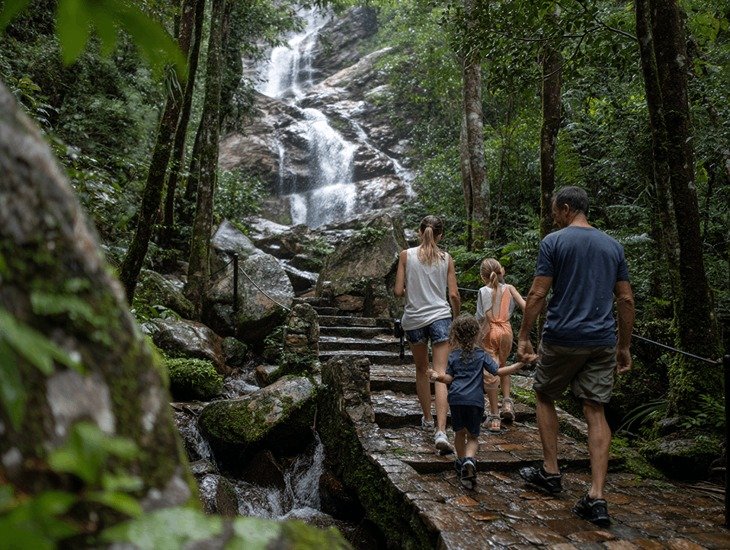
Mount Batur Trek: Kid-Friendly Hiking in Bali
Many parents struggle to find safe outdoor adventures for their children. Finding reliable information about volcanic trails remains difficult. Families worry about steep terrain and unpredictable weather during sunrise treks.
Without clear guidance, parents risk exposing young children to exhaustion. The lack of standard age requirements creates confusion. Unprepared families often face altitude sickness or freezing temperatures.
Trekking requires preparation and realistic expectations for young walkers. You can mitigate risks by booking reputable tours with safety protocols. Proper planning ensures everyone enjoys the clear caldera views.
Choosing kid-friendly hiking in Bali requires evaluating your child’s fitness level. Parents must verify that tour operators employ licensed first aid responders. The Indonesian government provides general volcano safety alerts.
Check the Magma Indonesia portal for daily volcanic activity updates. This government tool helps families confirm trail safety before booking tours. Review these updates before finalizing your sunrise trek plans.
Jeep tours offer excellent alternatives for toddlers and less active children. Older kids can tackle the steep ascent with proper hiking footwear. Proper pacing guarantees a secure mountain experience for everyone.
Table of Contents
Planning for Altitude on Volcanoes Mt. Batur in Bali
Families must understand how high elevation affects young bodies. Mount Batur rises to 1,717 meters above sea level. This altitude requires climbers to adjust their breathing and walking pace.
Children often feel the effects of thin air faster than adults. Parents should schedule frequent rest stops during the steep ascent. Rapid climbing frequently leads to dizziness or nausea.
Tour guides monitor hikers for early signs of altitude sickness. You must communicate any discomfort to your guide immediately. Prompt action prevents minor symptoms from developing into health emergencies.
Proper hydration helps the body acclimatize to the elevation. Climbers should drink plenty of water before starting the trek. Carrying lightweight water bottles ensures constant hydration throughout the journey.
Choosing Between Trekking and Jeeps
Many operators offer jeep tours as a safer alternative. These vehicles drive families up the mountain for sunrise views. This option completely removes the physical strain of the steep hike.
Jeep tours work best for families traveling with infants or toddlers. Young children remain safe and comfortable inside the sturdy vehicles. Parents can enjoy the scenery without carrying heavy child carriers.
Older children might prefer the physical challenge of the actual trail. Active kids generally enjoy the rewarding feeling of reaching the summit. You can combine a partial jeep ride with a short hike.
This hybrid approach provides the balance for mixed-age groups. Families drive past the hardest sections and walk the final stretch. This method makes kid-friendly hiking in Bali accessible.
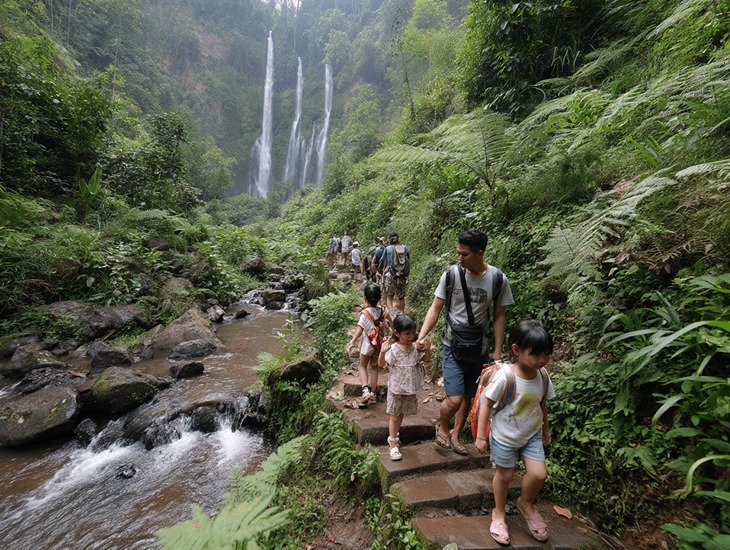
Understanding the Age and Fitness Requirements
Guides recommend the full trek for children over eight years. These older kids typically possess the stamina required for continuous climbing. Healthy children manage the three-hour return trip with proper pacing.
Younger kids aged five to seven need exceptional physical fitness. Parents must provide constant encouragement and physical assistance over rocky patches. Three-year-old children require dedicated hiking carriers and fit parents.
Tour operators enforce strict physical requirements for all participants. Pregnant travelers and individuals with heart conditions cannot join the trek. These rules exist to prevent severe medical emergencies during climbs.
Families must evaluate their collective physical capabilities before booking. Pushing tired children beyond their limits creates dangerous situations. A realistic assessment guarantees a secure mountain adventure.
Essential Safety Gear for Families
Volcanic terrain features loose gravel and extremely sharp rocks. Slip-resistant hiking shoes prevent dangerous falls on the steep descent. Proper ankle support protects climbers from painful sprains on uneven paths.
Temperatures drop significantly before dawn at the mountain summit. Families must pack warm jackets, long pants, and extra clothing layers. Climbers remove these layers as the sun rises.
Every hiker needs a reliable headlamp for the dark ascent. Keeping hands free helps climbers maintain balance on rocky surfaces. Handheld flashlights limit mobility and increase the risk of slips.
Parents should pack high-energy snacks and basic first aid supplies. Bandages and antiseptic wipes treat minor scrapes quickly. Bringing sunscreen protects sensitive skin during the bright morning descent.
Real Story: Elzata's Mountain Strategy
Elzata (36, Canada) lived in Uluwatu and required a safe volcanic excursion for her eight-year-old son. She found that the steep ascents and loose gravel of Mount Batur posed significant risks. She sought kid-friendly hiking in Bali.
Managing a child’s stamina on a 1,700-meter ascent was a challenge. She noticed the lack of visibility before dawn caused her son anxiety near the drop-offs. She needed a verified strategy for his physical safety.
Elzata hired a specialized travel childcare assistant from the Sitter in Bali. The assistant accompanied them on the hike to provide physical support. This ensured her son navigated the rocky patches safely.
This decision allowed Elara to manage her own ascent safely. The assistant monitored the child’s pacing and hydration during the dark trail. They completed the organized excursion and watched the sunrise securely.
Managing Physical Fatigue During Climbs in Bali
The descent often causes more physical strain than the climb. Loose volcanic ash makes the downward trail slippery and unstable. Hikers must bend their knees and take small steps downward.
Trekking poles provide essential stability for tired legs during the descent. Children can use smaller poles to maintain their balance on gravel. This simple tool prevents slips and protects knee joints.
Guides strongly advise against running down the mountain. Controlled movements conserve energy and reduce the risk of muscle cramps. Parents must enforce slow walking speeds for their children.
Taking short breaks during the descent prevents complete leg exhaustion. Sitting on stable rocks allows leg muscles to recover quickly. Proper fatigue management makes the session safer.
Booking Procedures and Pricing Models
Local trekking companies offer various packages for eager tourists. Private tours provide flexible pacing for families with young children. Small group tours cost less but require keeping up with strangers.
Prices vary based on departure locations and included equipment. Packages typically cover hotel transfers, basic breakfasts, and necessary headlamps. Confirm all inclusions before paying the final tour price.
No standardized government pricing exists for these volcano adventures. Each local agency sets specific rates for children and adults. Families must compare multiple operators to find the best value.
Always request detailed safety protocols when contacting tour providers. Reputable companies gladly explain their emergency procedures and guide qualifications. Transparency indicates a professional operation.
Preparing Children for Early Departures
Sunrise treks require waking up between one and two in the morning. This extreme schedule easily disrupts a child’s normal sleep cycle. Parents should encourage afternoon naps the day before the hike.
Organize all clothing and hiking gear the night before departure. Preparing equipment early prevents stressful searches in dark hotel rooms. A calm morning routine helps children wake up in positive moods.
Bring small toys or engaging stories for the long car ride. Familiar items comfort children during the dark drive to the mountain. Staying relaxed helps kids conserve their energy for the climb.
Explain the timeline and physical expectations to your children clearly. Knowing the plan reduces anxiety and builds excitement for the adventure. Mental preparation ensures a successful trip.
FAQs about Kid-Friendly Hiking in Bali
Q: What time do sunrise treks start?
A: Tours typically pick up families from their hotels between 1:00 AM and 2:30 AM.
Q: Can toddlers join the mountain hike?
A: Toddlers should avoid the full trek. Jeep tours offer a safe alternative for young kids.
Q: Do we need special shoes for this?
A: Yes. You need sturdy hiking shoes with strong grip for the loose volcanic gravel.
Q: Are there age limits for children?
A: Most guides recommend the full hike for fit children aged eight and older.
Q: What happens if it rains heavily?
A: Guides will cancel the trek or shorten the route to ensure safety during storms.

