
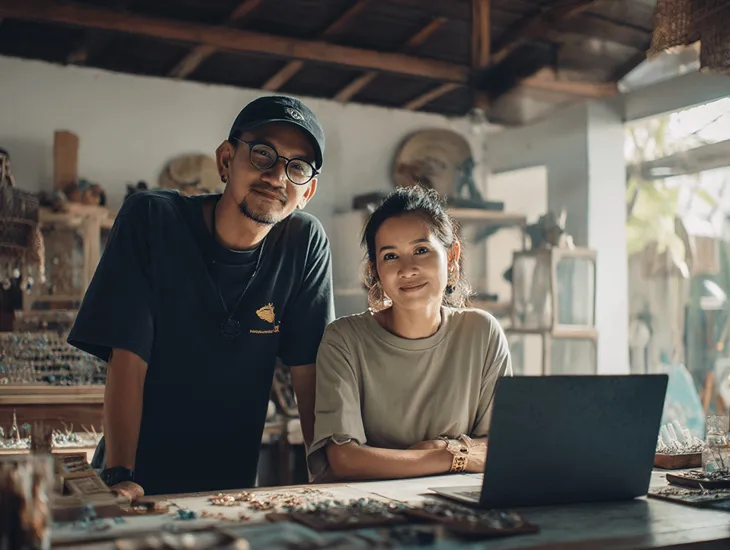

Touring the John Hardy Workshop in Bali: Behind the Scenes of Jewelry Making for Family
Parents want to see the artistic side of Indonesia. However, visiting a high-end jewelry studio with toddlers is a significant challenge. Finding a balance between craftsmanship and child safety is difficult.
Delicate tools and molten silver present safety risks for active kids. You worry about your child touching expensive artifacts. Walking through working studios causes constant anxiety. Managing these hurdles alone prevents learning.
You spend the visit watching your child’s hands and miss the craftsmanship. Physical fatigue sets in when carrying children across the sprawling bamboo grounds. This exhaustion disrupts the experience.
Professional childcare support transforms your visit to the John Hardy Workshop into a calm outing. Experts manage the physical safety of your children while you focus on the artisanal tour. Refer to Ministry of Tourism guidelines for safe travel.
A dedicated assistant ensures that toddlers follow the guide’s safety instructions. They handle the hydration and sun protection needs of the children. This proactive care prevents over-stimulation in the humid jungle environment.
Hiring a babysitter in Bali provides the necessary support for this active excursion. You can explore the unique architecture and galleries with total peace of mind. Secure your professional help for the studio visit today.
Table of Contents
The Legacy of Artisanal Craftsmanship in Bali
The workshop represents a commitment to high-end jewelry design. It showcases how traditional Balinese skills integrate with modern aesthetics. Visitors observe hundreds of local artisans during the John Hardy Workshop in Bali.
Artisans engage with materials through manual processes. This approach fosters a connection to the local community. Visitors observe wax carving and stone setting. This design promotes artistic transparency.
The campus serves as a laboratory for sustainable creativity. A workshop tour offers insights into innovative methods. You learn about silver weaving and casting. The brand promotes the values of community and craftsmanship.
Artisans demonstrate the intricate manual labor required for every piece. This fosters a deep respect for Balinese heritage from a young age. Families gain a new perspective on cultural stewardship during the visit.
A professional babysitter in Bali helps keep kids focused on the tour. They prevent children from disrupting the artisans in session. This ensures a respectful and educational atmosphere for all participants.
Sustainable Architecture at the Workshop
Bamboo and adobe are the primary building materials. These sustainable resources provide a durable structural solution. The Kapal Bamboo Cathedral is a masterpiece featuring organic curves and heights.
Designers utilized ancient techniques to build these structures. Skilled local workers worked alongside international teams. This collaboration preserves cultural heritage. Every building connects with the tropical landscape.
Bridges made of bamboo cross the streams to link different areas. This creates unity between architecture and nature. Structures remain open to the tropical air. You learn about innovative preservation methods.
The use of bamboo reduces the environmental impact of construction. It is a carbon-neutral material that grows rapidly in Indonesia. This highlights the workshop’s commitment to using local and renewable resources.
Navigating these large structures requires careful supervision of active kids. The floors and stairs often feature natural bamboo textures. A dedicated babysitter in Bali ensures children walk safely on these unique surfaces.
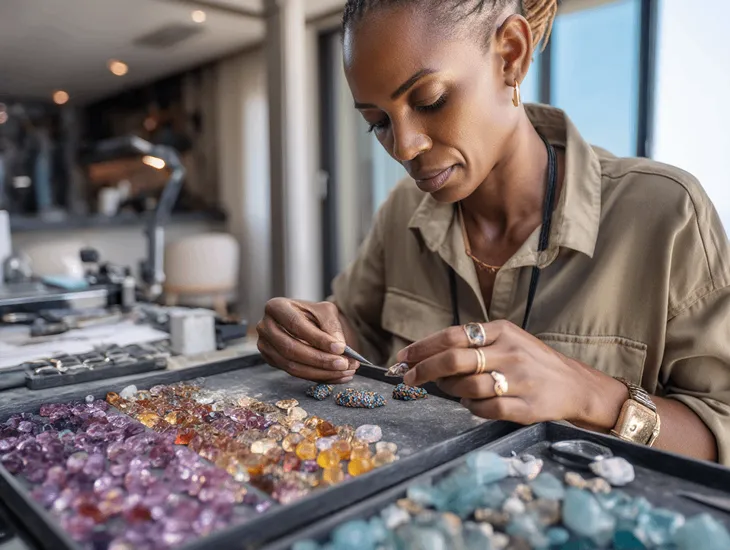
Traditional Jewelry Techniques and Design
Artisans use an eight-step jewelry making process. This includes hand-weaving silver chains and carving intricate wax molds. You see traditional methods passed down through generations.
The design team works in an open-air studio. This environment encourages creativity and collaboration. You learn about the inspiration behind the iconic collections during the jewelry tour.
Every piece tells a story of Balinese heritage. The workshop emphasizes the use of reclaimed silver and gold. This commitment to the environment is visible in every production stage.
Artisans weave the iconic chain by hand with patience and skill. This process requires incredible manual dexterity. You can observe the rhythm of the work as you walk through the production area.
A babysitter in Bali provides a supervised environment for your children. They keep kids engaged with simple stories about the jewelry. This allows you to listen to the technical explanations.
The Master Class Experience for Families
Participants join hands-on classes to learn jewelry basics. This experience teaches the importance of patience and precision. You work with wax models to create your own silver designs.
The master class is suitable for adults and older children. It provides a deep dive into Balinese craftsmanship. You learn to refine your artistic vision. Skilled instructors guide you through every step.
Managing the needs of children during a long class is difficult. A babysitter in Bali ensures that younger children stay happy and occupied. This prevents disruptions for other participants.
Your assistant handles snacks and drinks for the kids. They take children for short walks in the gardens. This ensures that you can complete your masterpiece without constant interruptions.
Learning to carve wax is a rewarding experience for any creative mind. The instructors provide personalized feedback to every student. Families enjoy the shared creative process in the artisan studio.
Real Story: Nadia's Workshop Excursion
Nadia (36, Belgium) lived in Uluwatu and required an organized strategy for a jewelry tour. She found that the open bamboo structures created significant physical stress for her toddler.
Managing an energetic toddler near delicate wax models was an exhausting challenge. Nadia hired a specialized travel childcare assistant from our professional network for support. This provided immediate relief for the mother.
The assistant established a secure walking rhythm on the stairs and managed the baby carrier flawlessly. This decision allowed Nadia to focus on the silver weaving while the child explored the organic gardens.
Safety Protocols for Families on Site in Bali
The workshop enforces safety rules to protect visitors. You must remain on designated paths within the John Hardy Workshop in Bali. This prevents damage to the environment and keeps children away from equipment.
Work zones are off-limits to unauthorized visitors. Some areas involve the use of heat and chemicals. Constant supervision is necessary. A babysitter in Bali keeps children away from these hazardous zones.
A jewelry tour involves exposure to tropical insects. Caregivers monitor child movements to avoid contact with harmful vegetation. Emergency first aid kits are available on the site.
Staff members are trained to handle minor injuries and heat-related issues. They ensure that all visitors follow the local safety guidelines. This professional oversight protects both the guests and the artisans.
The babysitter carries extra sunscreen and insect repellent for the kids. They manage the application to ensure continuous protection in the open studios. This attention to detail keeps your children comfortable.
Viewing the Organic Gardens and Kapal
The organic gardens provide a serene setting. Artisans and visitors enjoy a communal lunch made from local ingredients. This fosters community in Mambal.
The Kapal building serves as a showroom for final products. Its massive bamboo arches resemble the hull of a ship. It is the centerpiece of the John Hardy Workshop in Bali.
Visitors explore the collections of rings and necklaces. The building is an example of sustainable luxury design. It offers a cool space to appreciate jewelry.
The gardens demonstrate how to grow food without chemical fertilizers. This highlights the brand’s dedication to organic living. Visitors see a wide variety of tropical fruits and medicinal herbs.
Assistants help children identify different plants using simple language. This turns the garden walk into a fun learning activity. Your children stay engaged and educated throughout the nature walk.
Professional Babysitter Support and Site Navigation
Scheduling support for a workshop visit is a simple process. Parents provide child ages and the tour date. We match you with an assistant experienced in cultural outings for the workshop.
Most families book a 4 to 6 hour block. This covers travel and the tour. A babysitter in Bali meets you at your villa. They help prepare children and pack gear.
Professional assistants speak English fluently. Vetted caregivers provide peace of mind. We conduct thorough background checks and verify all references for our staff. This ensures a successful jewelry tour.
Your assistant manages the check-in process and visitor logistics. They ensure the children are ready for the walk before the guide starts. This coordination ensures a smooth and organized start.
Outsourcing the supervision allows you to focus on the intricate craftsmanship. You do not have to be the supervisor every minute. It restores balance to your holiday in Indonesia.
FAQs about John Hardy Workshop in Bali
Q: Are children allowed in the workshop?
A: Yes. Children are welcome but must be supervised at all times due to the work environment.
Q: How long is the tour?
A: The standard tour of the John Hardy Workshop in Bali takes about sixty to ninety minutes.
Q: Is there an entrance fee?
A: No. However, advance booking is required for tours and the communal lunch experience.
Q: What should we wear?
A: Wear comfortable walking shoes and light clothing suitable for the tropical heat.
Q: Can we buy jewelry there?
A: Yes. The Kapal showroom features a full collection available for purchase.
Q: Do I need a professional babysitter?
A: A babysitter in Bali manages safety and logistics, making your visit relaxing.

