

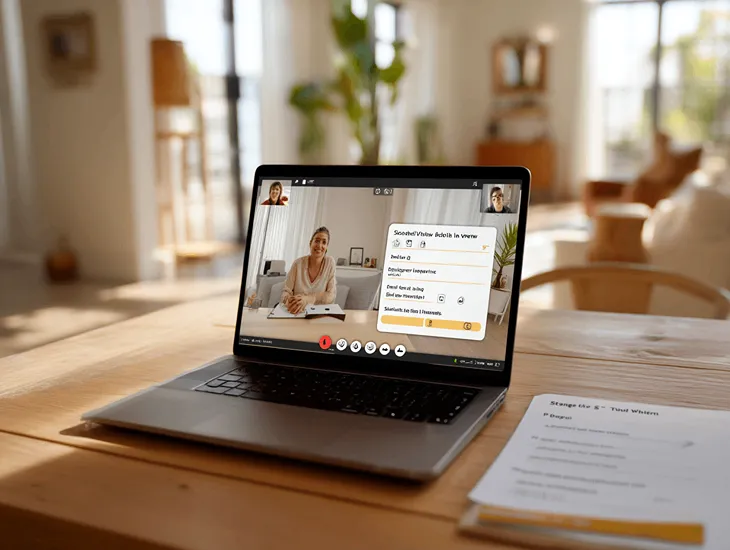
Zoom Interview or In-Person Meet: The Smart Way to Interview a Babysitter in Bali
Expatriate families and digital nomads often struggle to secure reliable childcare. Vetting candidates takes valuable time away from work. Finding the right caregiver is a stressful task for busy foreign professionals.
Busy parents worry about safety standards and cultural differences when hiring staff. Evaluating a candidate for an important role creates significant pressure. Wasting days on physical meetings with unsuitable candidates leads to frustration.
Unstructured vetting causes severe mismatches. Informal conversations fail to reveal a caregiver’s true experience or discipline style. Hiring someone based on a brief chat results in difficult miscommunications later.
A poor match disrupts your daily routine. Modern agencies offer a smarter approach to finding qualified help when you interview a babysitter in Bali. You utilize virtual screening tools before physical meetings.
Combining remote screening with a structured trial day guarantees a better match. This strategy saves time and reduces stress for the whole family. Parents evaluate qualifications thoroughly before making a commitment.
This structured approach follows Indonesian labor standards for domestic employment. Finding the right person ensures a peaceful and productive stay. You focus on your professional goals while your kids are safe.
Table of Contents
The Benefits of Initial Remote Screening in Bali
Starting your search with a video call saves hours of travel time. Traffic can be unpredictable. You meet multiple candidates from your villa or home office easily.
Virtual meetings allow you to assess communication skills immediately. You evaluate English proficiency and professionalism within five minutes. This helps you filter out unsuitable candidates quickly.
Remote screening removes the pressure of hosting a stranger. You review a digital resume during the conversation. This keeps the initial step professional and highly focused.
It prevents wasted effort and mutual frustration for everyone involved. A video chat helps establish a baseline connection before an official introduction. Parents gauge the warmth and tone of the applicant.
You easily record the session if you need to review their answers later. This allows both parents to evaluate the candidate even if one is working. It provides a convenient hiring method.
This initial layer of screening protects your family privacy. You only invite the most promising candidates into your personal living space. This is a crucial safety step for new expatriate families.
Preparing Questions for Your Video Call
Entering a virtual meeting without a plan leads to missed details. Parents must write down non-negotiable requirements beforehand. This list includes working hours, required duties, and expected salary ranges.
Ask behavioral questions instead of simple yes or no queries. Request examples of how they handled a crying toddler. These scenarios reveal actual childcare experience and problem-solving skills.
Standardized questions help you compare candidates objectively. Discuss their approach to discipline and setting boundaries. You require a caregiver whose methods align with your personal parenting style.
Clarifying duties early prevents misunderstandings after they start working. Be very clear about what tasks are outside their expected responsibilities. Verify their availability for a potential trial period.
Inquire about their transportation methods to ensure they can arrive punctually. Practical logistics are just as important as childcare skills for a smooth relationship. Document answers carefully for final review.
Avoid asking leading questions that hint at the desired answer. Let the candidate explain their methods in their own words. This provides a much more accurate picture of their capabilities.

Red Flags to Watch for Online
Pay attention to their environment during the virtual call. A loud background might indicate a lack of professional preparation. Candidates should present themselves well and treat the call like a formal meeting.
Notice how they communicate and if they listen to your questions. Interrupting frequently can signal future communication problems. You need someone who listens to your family instructions closely.
Hesitation when discussing past employers is a significant warning sign. Reliable caregivers speak confidently about previous roles. They readily offer contact information for reference checks without making excuses.
Be cautious if a candidate agrees to every demand without question. A professional knows their limits and will ask clarifying questions about your children. Over-promising often leads to under-delivering.
Watch their body language and eye contact through the camera. You can sense if a person is engaged even on video. A lack of warmth is a major issue for a childcare role.
If you feel unsure about a candidate after the video call, simply move on. Trusting your instincts is crucial when selecting a caregiver. There are many qualified professionals available for your family.
Transitioning to a Face-to-Face Meeting
Once you select a promising candidate online, schedule an introduction at your home. This step confirms the positive impressions from your virtual chat. It moves the professional relationship into a practical setting.
The goal is observing their interaction with your children. Watch how they introduce themselves to your toddler. Their ability to connect with kids becomes obvious very quickly in person.
Keep this initial visit short and structured. A thirty-minute session is usually enough to gauge energy and compatibility. Ask the candidate to perform a supervised task, such as reading a book.
This provides insight into their work ethic and initiative. Use this time to walk them through your property and explain safety rules. Point out emergency exits, pool gates, and restricted areas.
A professional pays close attention to these vital security details immediately. This is not the time to renegotiate salaries or basic hours. You should settle those details during the remote screening phase.
This meeting focuses entirely on family dynamics and verifying childcare competence directly. Observe how your child reacts to the new person in their environment. Their comfort level strongly indicates a potential match.
Real Story: Anna's Smart Hiring Strategy
Anna (34, Germany) lived in Uluwatu and required an organized strategy for securing childcare. She found that inviting strangers directly to her villa created significant stress. She sought an efficient way to hire.
Managing an energetic toddler while trying to conduct a formal interview was an exhausting challenge. Anna hired a specialized travel childcare assistant for support.
This provided immediate relief for the mother. The assistant provided pre-screened video profiles to conduct remote interviews. This professional support allowed Anna to observe the top choice during a short visit.
Anna structured a brief play session in her living room. The candidate immediately engaged the toddler with a set of building blocks. Anna watched from a distance, noting the gentle tone.
The hiring process remained organized and rewarding for the family. Anna finalized the contract the very next day. She felt completely confident in her decision because of the structured approach.
The new caregiver integrated smoothly into their daily routine. Anna realized that mixing digital screening with a practical test was essential. This method removed the usual anxiety from the hiring process.
Structuring a Practical Trial Session in Bali
A successful introduction should be followed by a paid trial period. This could be a single afternoon. A trial exposes how the candidate handles real routines and unexpected challenges.
Provide clear written instructions for the trial day to avoid confusion. Outline the child’s feeding schedule and dietary restrictions. Setting clear expectations helps the caregiver succeed.
Stay in the house but maintain a respectful distance during the trial shift. Let the caregiver take the lead on basic tasks while you observe. You want to see how they manage independently.
Pay attention to how they respond to your child’s emotional needs. Do they offer comfort during a tantrum? Check their punctuality and professional demeanor throughout the entire shift.
The trial phase is also an opportunity to see how they handle your specific villa rules. Each household in Indonesia has unique logistical needs. Observing their adaptability is a key part of your final evaluation.
Review the trial day performance honestly before making an offer. If there are minor issues, discuss them openly to see if they are correctable. If the fit feels wrong, continue searching.
Checking Safety and Background Records
Thorough vetting is the most critical step before finalizing a contract. Relying on intuition alone is dangerous. You must verify every claim made during the meeting.
Reputable agencies perform background checks on all registered candidates. This includes local police records and checking past employment history. We contact previous employers to ask about work performance.
Medical health checks are a standard part of professional vetting. Caregivers should possess clear records for common diseases. Certification in pediatric first aid and CPR is important for providers.
Partnering with a service removes the burden of investigating these records. Knowing your caregiver can handle emergencies provides ultimate peace of mind. This protects your family during your stay.
Background checks also ensure that the caregiver has the legal right to work in Indonesia. Managing these legal details prevents potential issues with local authorities. Professional agencies handle these administrative tasks efficiently.
Agencies maintain a file on every candidate for your review. This transparency ensures you know exactly who you are hiring. It protects your family from potential risks associated with unverified staff.
How to Interview a babysitter in Bali Effectively
Cultural differences can lead to misunderstandings. Caregivers in Indonesia are polite and avoid direct confrontation. They might hesitate to ask for clarification if an instruction is confusing.
Always use clear and direct language during your meetings. Avoid using complex idioms or vague requests. Provide concrete examples of what you expect. This ensures total mutual understanding.
Encourage the candidate to repeat instructions back. This simple technique confirms that they have grasped your house rules. Establish boundaries regarding working hours and overtime clearly.
A written contract protects both the family and the employee. Documenting the agreement ensures a professional and long-lasting working relationship. Discussing compensation openly ensures there are no surprises.
Setting clear expectations for performance reviews builds a positive work environment. Regular feedback allows the caregiver to grow in their role. This professional investment leads to better long-term childcare.
Agency-backed contracts provide transparent pricing and standard employment terms. A structured approach combining virtual chats and physical trials is the most effective method. It protects your time and guarantees a high-quality match.
FAQs about The Smart Way to Interview a babysitter in Bali
Q: Should I pay for the trial day?
A: Yes. All trial sessions are considered working hours and must be compensated fairly.
Q: What questions should I ask?
A: Ask about their previous experience, discipline methods, and comfort with your required schedule.
Q: Do I need a written contract?
A: Yes. A written agreement clarifies duties even for brief holiday help.
Q: Can the agency handle reference checks?
A: Yes. Reputable agencies verify all references and police records before presenting candidates.
Q: How long does the hiring process take?
A: Using remote screening allows you to hire within a few short days.
Q: Can I interview a candidate while I am still abroad?
A: Yes. Video calls are perfect for screening candidates before you arrive in Indonesia.

