
Review Us
Acroyoga for Children in Bali 2026 – Developing physical strength, emotional trust, and motor skills for kids through partner movement
author-2

5 Advantages of Private Acroyoga for Children in Bali: Supporting Healthy Growth

Finding engaging physical activities for kids in a digital age is challenging. Many parents struggle to pull their children away from screens while living in tropical environments like Indonesia.

Sedentary lifestyles often lead to poor posture and reduced motor skills. Children might lack the core strength and balance needed for healthy physical development during their most formative years.

This lack of movement can cause social isolation or reduced confidence. Without structured play, kids miss vital opportunities to build trust and teamwork with their peers or family members.

Parents often worry about safety when considering more adventurous sports. The search for a secure yet exciting outlet for boundless energy becomes a source of daily stress for families.

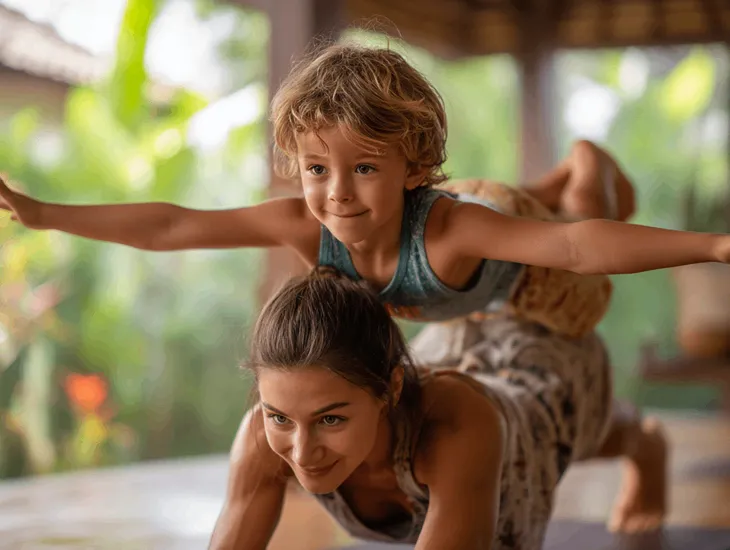
Professional Private acroyoga for children in Bali offers a perfect blend of movement and mindfulness. This practice combines yoga, acrobatics, and therapeutics to create a comprehensive workout for young, growing bodies.

Expert instructors provide guided sessions that prioritize the safety of every child. These classes ensure physical growth while fostering deep emotional connections and resilience for the whole family.

Enhancing Core Physical Strength and Flexibility

Engaging in partner acrobatics requires significant engagement of the abdominal muscles and the back. Children naturally build upper body strength as they support their own weight or balance with others. 

These movements create a functional fitness base that supports all other types of athletic play. Constant tension and release during the poses help muscle fibers grow stronger and more resilient over time.

Flexibility is a key component of this practice as children stretch into various flying shapes. They learn to extend their limbs while maintaining stability, which prevents common childhood injuries during playground activities. 

The dynamic nature of these stretches ensures that joints remain mobile and healthy. Regular participation leads to a noticeably better range of motion and improved posture for children of all ages.

Stamina is another physical benefit that comes from moving through sequences and transitions. Kids often do not realize they are exercising because the game-like format keeps them moving for long periods.

This cardiovascular boost is essential for maintaining a healthy heart and respiratory system. Building these habits early sets the foundation for a lifetime of wellness and appreciation for physical movement.

Improving Motor Skills and Body Awareness

Physical Development in Bali 2026 – Enhancing spatial orientation, balance, and coordination through guided acrobatic play

Balance is the primary skill developed when a child acts as a flyer or a base. They must constantly adjust their center of gravity to stay stable while suspended in the air. This process trains the brain to communicate effectively with the limbs for precise adjustments. Over time, children become much more graceful and less prone to accidental falls or clumsy movements.

Proprioception, or the sense of where the body is in space, improves rapidly during these sessions. Children learn to feel the alignment of their spine and the position of their feet without looking. 

This awareness is crucial for developing complex motor skills like swimming, cycling, or gymnastics. It empowers kids to move through their environment with a heightened sense of control and confidence.

Hand-eye coordination is tested during transitions where children must reach for their partner or a spotter. Each successful movement reinforces the neural pathways responsible for timing and accuracy during physical tasks. 

Practicing these skills in a playful setting makes the learning process enjoyable rather than a chore. The result is a child who is physically literate and capable of handling various physical challenges.
Boosting Cognitive Focus and Emotional Health

Concentration is a mandatory requirement for any successful acrobatic pose or transition. Children must listen carefully to instructions and focus on their partner to maintain the balance of the shape. 

This level of mindfulness helps improve their attention span in other areas like schoolwork or creative hobbies. The practice teaches them that being present in the moment leads to tangible physical success.

Self-confidence grows every time a child masters a new pose that previously seemed impossible. Overcoming the initial fear of being upside down or lifted high creates a powerful sense of accomplishment. 

This internal pride translates into a more courageous attitude when facing new social or academic situations. They learn that with persistence and focus, they can conquer any obstacle that comes their way.

Emotional regulation is practiced as children navigate the frustrations of losing balance or failing a move. They learn to breathe through the challenge and try again with a calm and steady mind. 

This resilience is a vital tool for managing the daily stresses of growing up in a fast-paced world. It fosters an inner peace that helps children stay grounded even when things do not go as planned.

Strengthening Social Bonds and Family Trust

Teamwork is the heartbeat of this practice because no one can perform the moves alone. Children learn to communicate clearly with their partners to ensure everyone stays safe and supported. 

They understand the importance of being reliable and how their actions directly affect the success of the group. This collaborative spirit builds strong friendships and encourages a supportive community atmosphere for everyone.

Empathy is developed as children take on different roles and feel what it is like to be a base. They learn to be gentle and attentive to the needs and comfort levels of their fellow practitioners. 

This perspective-shifting exercise helps them become more considerate and kind in their daily interactions. It teaches them that supporting others is just as rewarding as being supported themselves.

Trust is the ultimate foundation of every session held by a professional Nanny in Bali or instructor. Kids must trust their spotters and bases to keep them safe while they explore new heights and shapes. 

This deep bond of trust creates a sense of security that is essential for healthy emotional development. It strengthens the family unit by providing a shared language of movement and mutual respect.

Accessing Safe Professional Classes in Bali

Many families look for structured environments where they can explore acroyoga for children in Bali safely. Dedicated studios in areas like Canggu or Ubud provide specialized equipment and soft mats for every session. 

These spaces are designed to minimize risk while maximizing the fun and educational value of the movement. Instructors often follow international safety standards to ensure that every child is protected at all times.

Group classes allow children to meet other expat and local kids who share their interests. This social integration is a huge benefit for families who have recently moved to the island for work. 

The community aspect makes the learning process more dynamic as kids cheer for each other during practice. It turns a simple exercise class into a weekly social highlight for both parents and children.

Private sessions are also available for families who prefer a more personalized and focused approach. A specialized Nanny in Bali with movement training can often facilitate these activities in the comfort of a villa. 

This flexibility allows the practice to fit seamlessly into a busy schedule while maintaining a high level of supervision. It ensures that the child receives the direct attention needed to progress at their own pace.

When Mateo, an energetic seven-year-old from Spain, first arrived in Uluwatu, he struggled with a lack of routine. The transition to a new country made him restless and he often had trouble focusing on his daily tasks. 

His parents decided to hire a specialized professional via bali-nanny.com who had experience in movement therapy and acrobatics. They spent their afternoons practicing simple balancing shapes and focused breathing exercises in the garden. 

The humidity of the tropical afternoons didn’t stop Mateo from finally finding his calm through these structured physical challenges. Within a month, his parents noticed a significant improvement in his coordination and his ability to sit still.

Essential Gear for Practice in Indonesia

Kids Wellness in Indonesia 2026 – Proper clothing, mats, and hydration essentials for active children in a tropical climate

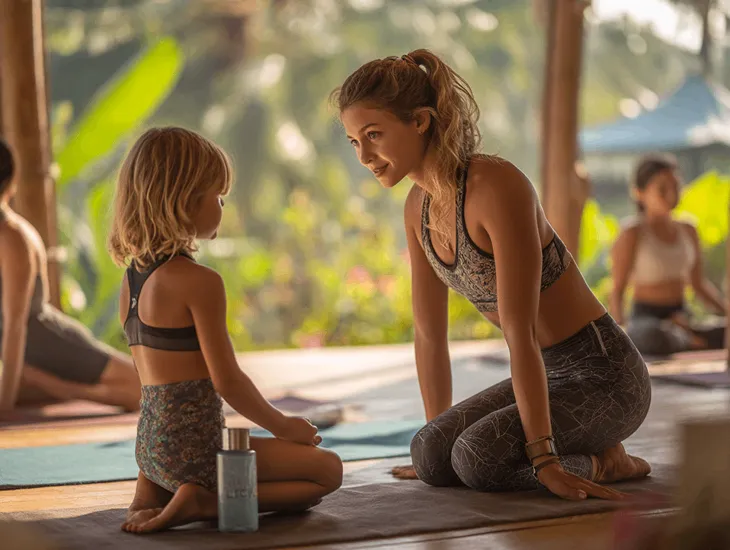
Comfortable clothing is the most important gear for any child participating in an acrobatic session. Outfits should be form-fitting enough to not get caught on a partner but flexible enough for stretching. 

Breathable fabrics are essential in the tropical heat of Indonesia to keep the skin cool and dry. Avoiding zippers or buttons prevents accidental scratches or discomfort during close-contact movements with a partner.

A high-quality yoga mat provides the necessary grip and cushioning for the base and flyer. While many studios provide mats, having a personal one ensures better hygiene and a consistent feel for the child. 

The mat serves as a designated safe zone where the focus is entirely on the movement and the partner. It helps define the boundaries of the practice space and protects knees and elbows from hard surfaces.

Hydration is a critical part of the gear list when exercising in a humid island environment. Parents should ensure their children have a reusable water bottle filled with clean, filtered water for every session. 

Taking regular small sips helps maintain energy levels and prevents the fatigue that comes with dehydration. It is a simple but vital habit that keeps the practice safe and enjoyable for everyone.

Safety Guidelines for Young Practitioners

Supervision is the non-negotiable rule for any type of acrobatic movement involving young children. A trained adult or spotter must always be within arm’s reach to catch a flyer if they lose balance. 

This presence provides the psychological safety net that allows children to take healthy risks and grow. Instructors prioritize teaching children how to spot each other to build a culture of mutual protection.

Listening to the body is a lesson that is taught from the very first session. Children are encouraged to speak up if a move feels uncomfortable or if they feel tired or dizzy. 

This practice prevents overexertion and ensures that the movements stay within the physical limits of the child. Learning to respect personal boundaries is a skill that serves them well beyond the yoga mat.

Progression should always be gradual and based on the specific physical readiness of the individual child. Rushing into complex moves before mastering the basics is a common cause of avoidable minor injuries. 

Instructors focus on building a strong foundation of simple poses before moving to more advanced flying shapes. This patient approach ensures that the child remains confident and eager to learn more over time.

Choosing the Right Instructor in Bali

Certification is the first thing parents should check when selecting a coach for their children. An instructor should have specific training in both yoga and acrobatics, ideally with a focus on pediatric teaching. 

This background ensures they understand the unique physiological and psychological needs of developing young bodies. They will know how to adjust the intensity and complexity of the moves for different ages.

Experience in a multicultural environment like Bali is a significant advantage for any movement professional. They should be able to communicate effectively with children from various backgrounds and language groups. 

A good instructor creates an inclusive atmosphere where every child feels welcome and valued regardless of their skill. This cultural sensitivity is a hallmark of the high-quality services found across the island.

Reviews and recommendations from other parents are invaluable when searching for acroyoga for children in Bali. Hearing about the positive experiences of other families can provide peace of mind and confidence. 

Many reputable providers have a strong online presence and a history of successful classes in the local community. Choosing a trusted name ensures a high standard of care and professional instruction for your child.

FAQs about Acroyoga for Children in Bali

Q: What is the recommended starting age for kids?
A: Most instructors suggest waiting until age six for better physical control.

Q: Do children need prior yoga experience?
A: No prior experience is needed as classes cover all the basic movements.

Q: Is acroyoga for children in Bali safe for everyone?
A: It is very safe when practiced with professional instructors and proper mats.

Q: How long does a typical session last?
A: Classes usually last forty-five to sixty minutes to keep children engaged.

Q: Can parents join the classes too?
A: Many studios offer family sessions where parents and kids practice together.

Q: What should my child wear for class?
A: Stretchy, breathable leggings and a snug t-shirt are the best choices.

Need help with acroyoga for children in Bali, Chat with our team on WhatsApp