
Review Us
Helping Kids Build Healthy Eating Habits 2026 – Supervised meal preparation, healthy snack choices, and nutritional education for expat children
author

Handling Toddler Tantrums: Calm Ways That Actually Work

Managing childhood nutrition in a tropical environment is difficult for expatriate parents. Busy schedules lead to inconsistent meal times and reliance on processed snacks. Children quickly develop strong preferences for sugary treats.

Maintaining a balanced diet while navigating local food markets is exhausting. You worry about your children missing essential nutrients during the transition to a new country. Inconsistent routines cause frustration for the entire family.

Finding reliable support to reinforce your nutritional values is challenging. Many caregivers lack the training to handle picky eaters or food allergies. This creates anxiety about your child’s long-term health and growth.

The Centers for Disease Control and Prevention emphasizes the importance of predictable meal routines. Structured eating patterns help children regulate hunger and fullness effectively. Consistent modeling from all caregivers is a vital requirement.

Establishing Helping Kids Build Healthy Eating Habits requires a unified family approach. Integrating whole grains, lean proteins, and fresh fruits into daily routines is essential. Expert support helps establish these daily nutritional routines.

Core Principles of Pediatric Nutrition

Establishing a strong nutritional foundation requires focus on whole, unprocessed foods. Children need a variety of fruits, vegetables, and lean proteins daily. These pillars support physical growth and cognitive development in early childhood.

Public health guidance suggests limiting saturated fats and added sugars strictly. Reducing salt intake is also necessary to prevent long-term health complications. Caregivers must prioritize these standards during every meal and snack time.

Predictable routines prevent all-day grazing and emotional eating patterns. Setting specific times for meals helps children understand their internal hunger cues. A consistent rhythm is essential for stabilizing energy levels throughout the day.

A qualified caregiver understands these nutritional requirements. They provide structured meals that align with international health standards effortlessly. This expertise ensures your children receive the best care possible while you work.

Using food as a reward or emotional tool is strongly discouraged. Caregivers should focus on non-food rewards to support healthy psychological development. This approach builds a positive, neutral relationship with food for life.

Modeling Positive Behavior at Mealtimes

Healthy Eating Habits for Kids in Bali 2026. Caregivers eating balanced meals with children and using positive food language

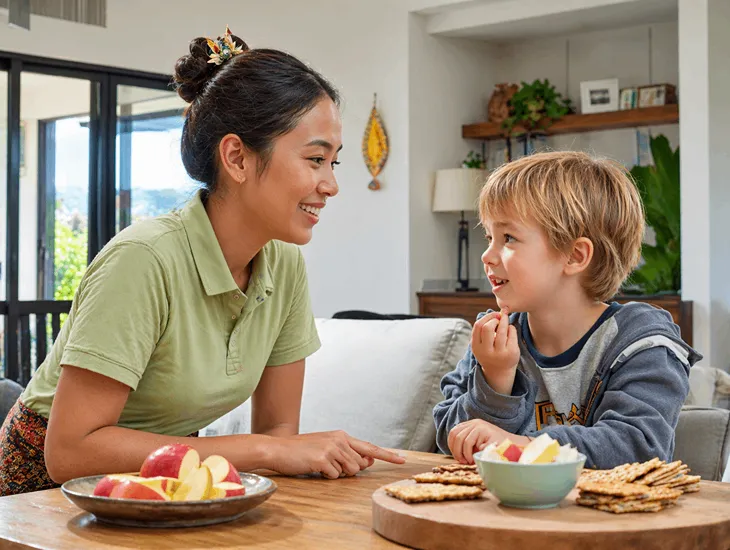
Children observe and copy the eating habits of the adults around them. When a caregiver sits and eats healthy foods, children are more likely to participate. Modeling curiosity about new textures encourages a broader palate.

Using neutral and positive language around food is a vital strategy. Avoid labeling items as “good” or “bad” to prevent food-related shame. Instead, discuss how specific ingredients provide energy, strength, and focus.

Focus on the taste, texture, and natural colors of the vegetables served. This sensory engagement makes healthy options more appealing to young minds. Positive reinforcement helps children feel motivated to try unfamiliar or green foods.

A professional helper serves as a role model during lunch. They demonstrate healthy choices by enjoying a balanced plate alongside your children. This social interaction makes mealtime a pleasant and educational experience.

Praising effort rather than a “clean plate” supports internal regulation. Allow children to stop eating when they feel satisfied and full. This respect for internal cues is a cornerstone of lifelong nutritional health.
Reinforcing Family Food Values and Rules

Consistency between parents and caregivers reduces confusion for children significantly. A babysitter is most effective when following your specific food framework strictly. This includes treat limits, allergy protocols, and preferred mealtime expectations.

Establishing clear boundaries around snacks helps maintain order in the household. Children feel secure when they know exactly what to expect at the table. This alignment reinforces the values you have worked hard to build.

Detailed communication regarding your food philosophy is a mandatory requirement. Discuss which local ingredients are encouraged and which are strictly occasional treats. This clarity allows the caregiver to support your goals without conflict.

A qualified assistant documents daily intake and snack choices for your review. This transparency ensures you remain in control of your child’s dietary habits. You can adjust the menu based on accurate daily reports.

Reinforcing these rules helps children build secure and consistent expectations. They learn that healthy eating is a non-negotiable part of their lifestyle. This discipline is vital for achieving long-term health and wellness goals.

Interactive Cooking and Food Preparation

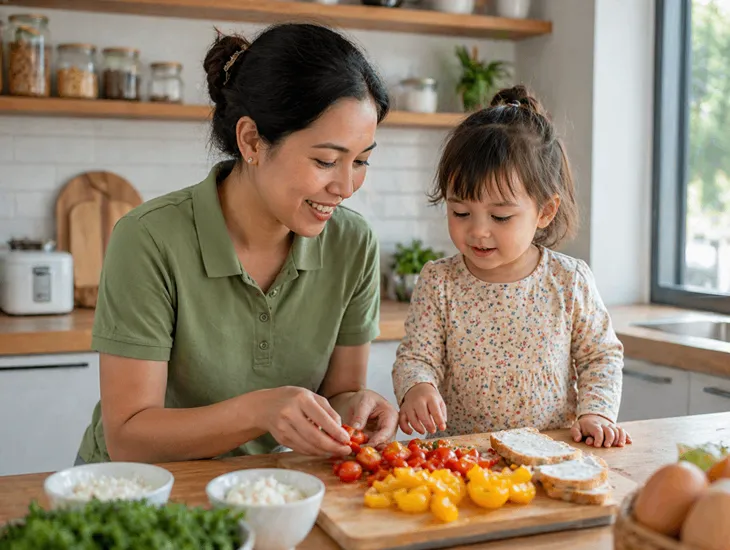
Involving children in the kitchen increases their willingness to try new foods. Research shows that kids are more likely to eat salads they helped prepare. Hands-on participation builds a sense of pride and ownership.

Age-appropriate tasks like washing vegetables or stirring ingredients are perfect for toddlers. Older children can help arrange food on plates or choose healthy options. These activities make Helping Kids Build Healthy Eating Habits fun.

Cooking sessions provide a natural opportunity for education about ingredients. Discuss where vegetables grow and how they help the body stay strong. This knowledge transforms a simple meal into an engaging science lesson.

A trained childcare provider facilitates these safe and creative kitchen activities. They supervise the use of utensils while encouraging your child’s culinary curiosity. This engagement keeps children entertained and educated during the afternoon.

Preparing simple smoothies or vegetable wraps builds practical life skills. Children gain confidence as they learn to create their own nourishing snacks. These experiences foster a lifelong interest in home-cooked, healthy meals.

Real Story: Navigating Picky Eating in Uluwatu

Wiliam sat in his Uluwatu villa, staring at a plate of untouched vegetables. His daughter screamed, pushing her bowl away with enough force to spill water across the table. The nightly battle had begun again.

He felt the weight of a long workday pressing on his shoulders. He worried about her pale face and frequent fatigue. Every attempt to introduce a carrot resulted in tears and a stressful, loud standoff.

The humidity and heat made the kitchen uncomfortable during his cooking attempts. He lacked the energy to be creative with recipes after twelve hours of software development. He needed someone to handle the mealtime pressure.

Wiliam hired a specialized babysitter in Bali through our agency. The caregiver arrived with a quiet smile and a bag of colorful silicone plates. She sat on the floor, turning snack time into a sorting game.

Within weeks, the screaming at the Uluwatu dinner table stopped completely. Wiliam watched from his office as his daughter happily ate a “rainbow” of peppers. The caregiver’s patience replaced the nightly tension with calm.

Wiliam works in his office while his daughter finishes her dinner. The caregiver managed the transition to a balanced diet without the typical drama. He finally enjoys his evening without the fear of another food fight.

Structuring Balanced Snacks and Hydration

Healthy Eating Habits for Kids in Bali 2026. Preparing fruit and nut butter snacks with water for tropical hydration

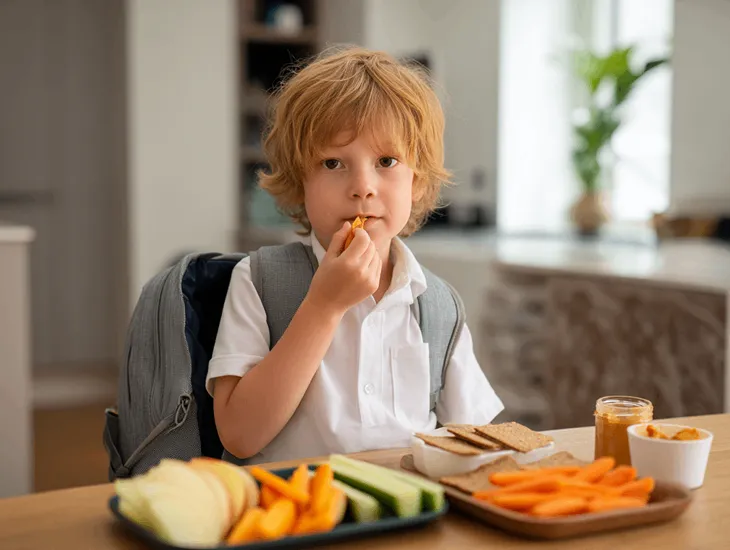
Structured snack times are essential for stabilizing blood sugar and mood. Caregivers should combine protein, fiber, and healthy fats for every small meal. This combination keeps children satisfied and reduces the urge for constant grazing.

Options like apple slices with nut butter or yogurt with berries are excellent. These balanced choices provide sustained energy for active play in the tropical heat. Avoid high-sugar snacks that lead to energy crashes and irritability.

Hydration is a critical priority for children living in a warm climate. Caregivers must offer water frequently throughout the day to prevent dehydration. Starting every snack session with water helps improve appetite regulation naturally.

A reliable childcare assistant proactively manages your child’s hydration schedule. They ensure water bottles are always filled and accessible during outdoor excursions. This constant monitoring protects your child’s health in the intense sun.

Keeping healthy snacks visible and easy to access encourages better choices. Store pre-cut vegetables at eye level in the refrigerator for the children. This simple environmental change supports independent and nutritious decision-making habits.

Vetting Caregivers for Nutritional Competency

Selecting a caregiver who understands pediatric nutrition requires a thorough vetting process. Look for candidates who can prepare simple, healthy meals without relying on processed food. Their philosophy should match your family’s wellness goals.

During the interview, ask for three healthy snack ideas for your child’s age. Listen for a focus on balance and the inclusion of fresh produce. Their ability to handle picky eating without pressure is a vital competency.

Request references specifically regarding their meal preparation skills and reliability. Confirm whether they followed past employers’ dietary rules and handled food allergies carefully. Past performance is the best indicator of future success.

A professional helper should demonstrate basic knowledge of food groups. They see themselves as partners in your child’s wellness journey, not just supervisors. This mindset is essential for maintaining consistent and healthy habits.

Observing a trial meal allows you to see their modeling skills in action. Do they sit with the child and keep the conversation positive? Their behavior during this time reveals their true approach to nutritional support.

Managing Food Allergies and Cultural Differences

Alignment on allergy protocols is a non-negotiable safety requirement for all caregivers. A babysitter must be briefed on all intolerances and cross-contamination risks. Even small exposures can lead to dangerous and immediate medical emergencies.

Clear labeling of safe and unsafe foods in the pantry is helpful. Ensure the caregiver knows how to recognize an allergic reaction quickly. Providing an emergency action plan protects your child in any remote location.

Cultural differences regarding “finishing the plate” or sweets must be discussed openly. Different norms around traditional staples can sometimes clash with your specific food philosophy. Neutral language helps navigate these differences without passing any judgment.

A local babysitter in Bali can help introduce healthy traditional dishes. They might suggest local fruits like papaya or dragon fruit for vitamins. This cultural exchange enriches your child’s palate while maintaining your nutritional standards.

Effective onboarding covers religious restrictions and family expectations for every meal. When the caregiver understands your boundaries, they can provide seamless support. This cooperation ensures a safe and culturally respectful eating environment.

FAQs about Helping Kids Build Healthy Eating Habits

Q: How can a babysitter help with a picky eater?

A: They use positive modeling and non-pressured exposure to new foods during meals.

Q: What are healthy snack options for the Bali climate? 

A: Fresh local fruits, chilled yogurt, and vegetable sticks with hummus provide hydration and energy.

Q: Should I use dessert as a reward for eating vegetables? 

A: No, experts recommend avoiding food as a reward to prevent emotional eating patterns later.

Q: How do I ensure my babysitter follows my food rules? 

A: Provide a written daily schedule and a list of approved snacks and meal ingredients.

Q: Is it safe to let my child help with food preparation? 

A: Yes, under close supervision, children can perform age-appropriate tasks like washing and stirring safely.

Q: Can a babysitter in Bali manage my child’s food allergies? 

A: Yes, a trained caregiver will strictly follow your allergy protocols and emergency action plans.

Need a babysitter who can support your child’s healthy eating habits? Chat with our team on WhatsApp now!