
Lunchbox Ideas Kids Will Actually Eat: Simple Wins for Busy Parents in Bali
Morning routines in Indonesia are often fast and demanding. Parents frequently struggle to balance early school drops with professional demands, leaving little time for thoughtful meal preparation for their children in the morning.
Packing a lunchbox that returns home empty is a constant struggle. Many children reject healthy options, leading to wasted food and parental frustration. This cycle creates unnecessary morning tension in otherwise happy households.
Expatriate families often lack familiar grocery staples from home. Navigating local markets to find nutritious, kid-friendly ingredients is time-consuming. Without a plan, parents often resort to processed snacks that lack essential nutrients.
Inconsistent nutrition affects a child’s concentration and energy at school. High-sugar snacks lead to mid-afternoon crashes, impacting academic performance and mood. You want your child to thrive, but the logistical burden is heavy.
According to the Indonesian Ministry of Health, balanced nutrition is vital for growth. Prioritizing carbohydrates, proteins, and fresh produce ensures children have the stamina required for a full day of learning.
Finding Lunchbox Ideas Kids Will Actually Eat is much easier with professional help. A professional caregiver can manage the planning, prepping, and packing. This service allows you to focus on your career.
Table of Contents
Familiarity and Balance: Core Lunchbox Principles
Success in school dining begins with familiarity. Children are more likely to eat foods they already recognize and enjoy at home. Avoid experimenting with brand-new recipes in the high-pressure environment of the school cafeteria.
A balanced box should always include four specific components. Aim for a main carbohydrate, a solid protein source, at least one fruit, and one vegetable. Water should always remain the primary drink for hydration.
Finding Lunchbox Ideas Kids Will Actually Eat requires staying within this nutritional framework. When the structure is consistent, children know what to expect. This predictability reduces anxiety around mealtime and encourages better eating habits.
Professional caregivers help maintain this balance daily. They understand how to pair different food groups to keep energy levels stable. This expertise is invaluable for busy parents who need to delegate daily chores.
Using Local Ingredients for Nutritious School Meals
Bali offers a wealth of fresh, local ingredients that fit perfectly into a healthy lunchbox. Rice and noodles are excellent energy sources that most children enjoy. Whole-grain wraps are also available in local boutiques.
For protein, consider shredded chicken, boiled eggs, or local tempeh strips. These items are easy to prepare and remain stable when packed correctly. Tofu is another versatile option that fits child preferences easily.
Tropical fruits like mango, melon, and mandarin segments add natural sweetness. Vegetables such as cucumber sticks, steamed corn, or cherry tomatoes provide essential crunch. These local items are both nutritious and cost-effective.
A professional caregiver can source these ingredients from local markets. They handle the washing and safe cutting of produce. This ensures your child receives the freshest food available on the island every single day.
Realistic Portion Sizes to Prevent Food Waste
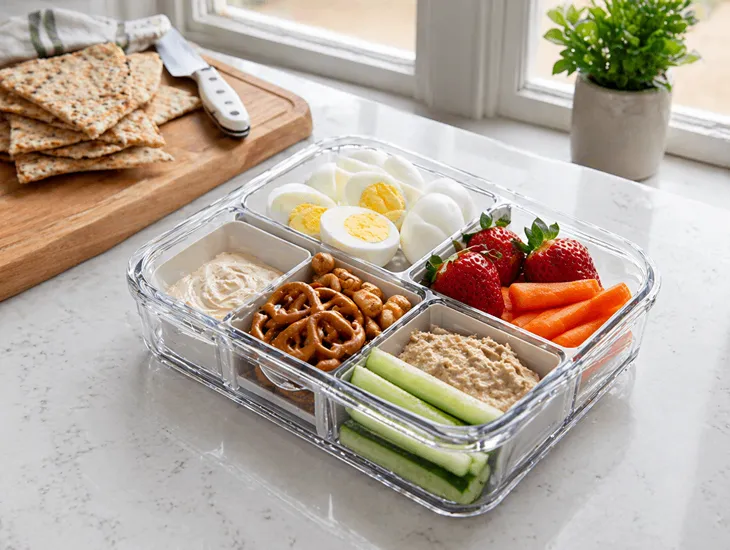
Many parents overestimate how much their child will eat during a short school break. Large portions can be overwhelming for young children, leading them to give up entirely. Several small, bite-sized items are appealing.
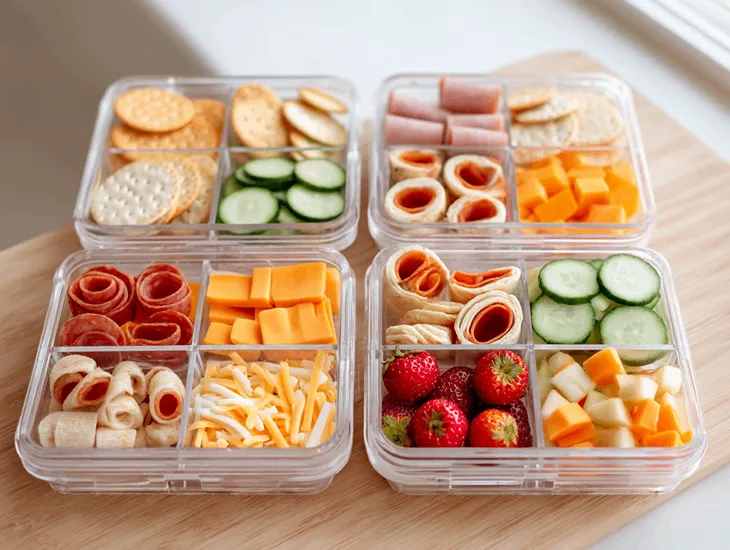
Think in terms of finger foods that are easy to pick up and eat quickly. Small sandwiches, cubed cheese, and sliced fruit are much easier to manage. This approach encourages children to try everything.
Monitoring what comes home untouched is essential for adjusting your strategy. If the carrots always return, try a different vegetable next time. This feedback loop is the key to creating a sustainable meal plan.
A dedicated caregiver tracks these patterns for you. They observe which items are popular and which are ignored. This data allows for smarter shopping and less waste, saving the family money and effort.
How a Professional Caregiver Supports Meal Planning
A professional caregiver provides more than just supervision. They act as a vital assistant in managing your child’s nutritional needs. This includes helping parents create a repeating weekly plan of repeating combinations.
Preparation can be handled the night before to reduce morning stress. A Babysitter in Bali can boil eggs, cook pasta, and portion leftovers into containers. This ensures the morning school run is calm.
Consistent routines are essential for success. When the caregiver follows family rules regarding treats and drinks, the child learns boundaries. This consistency prevents arguments over snacks and promotes a healthy relationship with nutrition.
Using positive language around food is another benefit of professional care. Caregivers talk about energy and strength rather than bad foods. This environment helps children feel confident about their healthy choices at school.
Real Story: Morning Peace in a Canggu Villa
Stefan recently moved from Sydney to Canggu and struggled to balance his early morning scrum meetings. The humidity and construction noise exhausted him. He could not focus while his daughter, Mia, refused her breakfast.
The kitchen was often a mess of half-made sandwiches and spilled juice. Stefan felt the pressure of his Australian clients while Mia demanded chocolate biscuits for school. He needed a reliable solution immediately.
He decided to use a professional service to find a Babysitter in Bali named Ayu. Ayu arrived at 7:00 AM and took over the kitchen. She prepared colorful lunchboxes with local mango and chicken.
The sound of rhythmic chopping replaced the morning chaos. Stefan finished his Australian presentation in silence while Ayu sat with Mia. He watched as Mia proudly packed her bag with fresh cucumber sticks.
By 8:00 AM, the villa was quiet and organized. Stefan enjoyed his local coffee while Mia headed to school with a full lunchbox. Professional support allowed him to excel at work while Mia thrived.
Food Safety and Hygiene in a Tropical Climate
The hot and humid climate in Indonesia requires extra care for food safety. Perishable items like meat, dairy, and eggs can spoil quickly at room temperature. Using insulated lunchboxes with ice packs is essential.
Strict hygiene during preparation is vital to prevent illness. A Babysitter in Bali ensures handwashing and the use of clean chopping boards. They keep raw and cooked foods completely separate in the kitchen.
Leftovers must be handled with caution. Ensure that any cooked food is cooled quickly and refrigerated before being packed the next day. This vigilance prevents stomach upsets that can disrupt a child’s attendance.
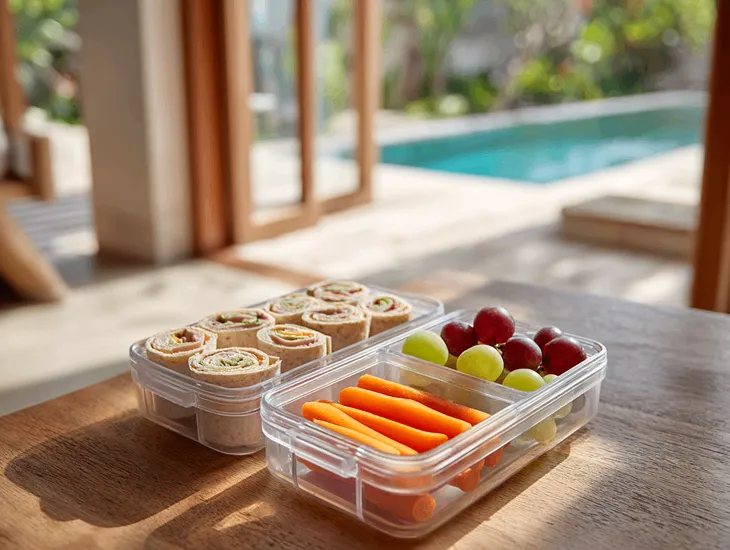
Matching textures to the child’s age is also a safety concern. For younger kids, hard foods like grapes or raw carrots should be cut into safe sizes. Caregivers are trained to recognize these hazards.
Screening Your Caregiver for Culinary Competence
When hiring help for food preparation, specific screening is required. Ask direct questions about their experience with Lunchbox Ideas Kids Will Actually Eat. A good candidate should describe balanced and nutritious meal combinations.
Inquire about their approach to managing allergies or special diets. They should demonstrate a clear understanding of cross-contamination and ingredient checking. Checking references for reliability in morning routines and food prep is vital.
A trial shift is the best way to observe their skills. Ask the potential Babysitter in Bali to prepare and pack one lunchbox while you are home. Observe their hygiene habits and child interaction.
Professional agencies often pre-screen for these culinary skills. They ensure the caregiver understands international family expectations and local food conditions. This pre-screening saves parents time and ensures a higher standard of safety.
Navigating School Policies and Religious Requirements
International schools in Indonesia often have specific food policies. Many are nut-free zones to protect children with severe allergies. Some may also have pork-free requirements to respect local cultural and religious norms.
A professional caregiver must follow these school rules exactly. They bridge the gap between your family’s preferences and the school’s regulations. This attention to detail prevents embarrassing or dangerous incidents for your child.
Your Babysitter in Bali should also be aware of religious requirements if your family follows specific diets. Whether it is Halal, vegetarian, or gluten-free, the caregiver must respect these choices. Etiquette is vital.
Clear communication between the parent, the school, and the caregiver is essential. Provide a written list of forbidden items to ensure there is no confusion. This ensures your child’s lunchbox is always safe.
FAQs about Lunchbox Ideas Kids Will Actually Eat
Q: What is the best way to keep school lunches cool?
A: Use an insulated lunchbox and include at least one frozen ice pack to maintain safe temperatures.
Q: How can I stop my child from bringing home an untouched lunch?
A: Focus on Lunchbox Ideas Kids Will Actually Eat by packing smaller portions of familiar, bite-sized foods.
Q: Can a professional caregiver help with grocery shopping for lunches?
A: Yes, a Babysitter in Bali can assist in creating lists and sourcing fresh local ingredients.
Q: Are there specific foods to avoid for safety?
A: Avoid hard, round, or sticky foods for toddlers. Always cut grapes and carrots into small pieces.
Q: Do schools in Bali have food restrictions?
A: Many schools are nut-free or pork-free; your Babysitter in Bali will follow these policies strictly.
Q: Is it better to pack lunch the night before?
A: Yes, packing the night before reduces morning stress and ensures you don’t forget items.

