

Review Us
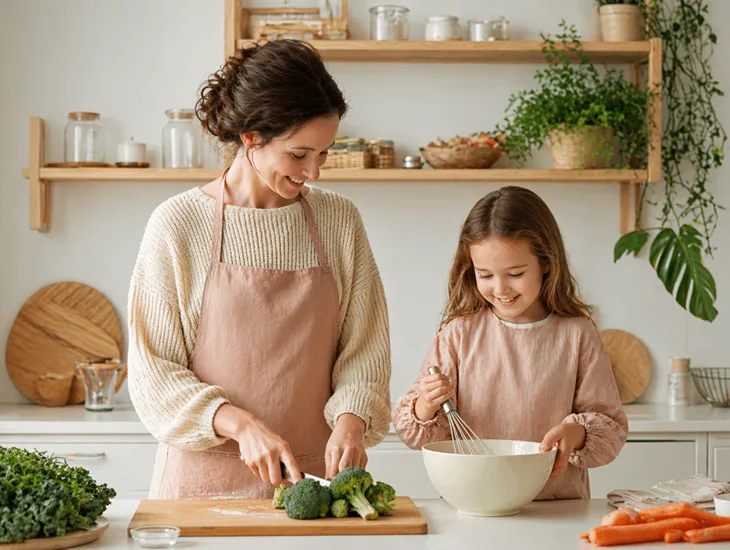
Healthy Eating in Indonesia 2026 – Fresh fruit plates, steamed vegetables, and balanced meal routines for children
author-2

Healthy Eating for Kids: Easy Recipes & Everyday Routines That Actually Work

Maintaining nutrition while working abroad is a major struggle. Busy schedules often lead to convenient but unhealthy food choices for families. This lack of planning creates long term health concerns for your children.

Providing daily meals creates constant pressure. A poor diet affects your child’s energy and mood. Constant grazing on processed snacks creates habits that are difficult to reverse. You feel this stress every morning.

High sugar intake disrupts sleep and focus. You feel guilty about the quality of meals served during your busy workdays in Indonesia. Meal preparation often causes exhaustion for parents managing tight deadlines.

Small shifts in daily habits create lasting change. Establishing predictable meal times is the foundation of a healthy household environment. Consistency is the most powerful tool for improving your child’s overall dietary health.

Research from the World Health Organization emphasizes early dietary intervention. Focus on real food first to protect your child’s development. Avoid sugary drinks and ultra processed snacks to support Healthy Eating for Kids.

Our service provides the support you need. A professional Babysitter in Bali manages the daily routines required for child nutrition. You can focus on work while we handle the kitchen tasks efficiently.

Essential Nutritional Guidelines for Children

Modern nutrition standards prioritize whole foods over processed alternatives. Children need a diverse intake of fruits, vegetables, and lean proteins. These elements provide the building blocks for physical development in Indonesia.

Active children in Bali require higher protein intake to support growth. Balance is essential for maintaining steady energy levels. Meeting specific daily produce targets is essential for children to thrive in tropical climates.

Children aged two to five should consume at least 250 grams of fruits. Older children require up to 350 grams daily. Consistent habits regarding Healthy Eating for Kids ensure these targets are reached easily.

Avoid foods high in trans fats and excessive salt. These ingredients contribute to chronic health issues and lethargy. Focus on fiber rich grains to support digestive health and consistent blood sugar levels daily.

Starchy staples should be minimized in favor of nutrient dense produce. Replace white bread with whole grain options whenever possible. This switch significantly improves the nutritional profile of any daily meal for kids.

A Babysitter in Bali ensures these standards are met. They focus on real food first during every meal service. This professional oversight guarantees your child receives high quality fuel for their busy days.

Easy Breakfast Recipes for Balanced Nutrition

Nutrition in Bali 2026 – Whole grain breakfast preparation, egg cooking, and healthy meal patterns for expat families

Breakfast sets the metabolic tone for the entire day. Combining whole grains with protein and fruit is the ideal pattern. This structure provides long lasting satiety and mental clarity for school activities in Bali.

Oatmeal prepared with milk and topped with fresh bananas is a win. This recipe provides complex carbohydrates and essential minerals. It is a simple dish that a Babysitter in Bali prepares quickly every morning.

Whole grain toast with a soft boiled egg is an excellent choice. Adding a side of sliced papaya introduces local vitamins and antioxidants. This combination is delicious and culturally relevant in Indonesia.

Smoothie bowls are popular for children who prefer lighter textures. Blend frozen mango with Greek yogurt and top with chia seeds. This nutrient packed breakfast feels like a treat while remaining entirely healthy for kids.

Avoid sugary cereals that lead to mid morning energy crashes. These products often contain hidden artificial colors and flavors. Start the day with natural ingredients to keep your child’s focus sharp and steady.

Protein rich breakfasts support brain function and concentration. Eggs, beans, or yogurt provide the necessary amino acids. A caregiver ensures these items are ready before the school run begins each morning in Bali.

Establishing a calm breakfast routine is vital. Children eat better when they are not rushed. A professional caregiver manages the timing to ensure a peaceful start to the family day for everyone.

Main Meal Plate Patterns for Growth

Structuring lunch and dinner requires a simple visual formula. Divide the plate into distinct sections to ensure variety. This method makes Healthy Eating for Kids manageable for any caregiver in your home.

Half the plate should consist of colorful fruits and vegetables. Aim for a mix of raw and steamed options to provide different textures. Local Balinese markets offer exceptional fresh produce for this specific purpose.

A quarter of the plate should focus on high quality protein. Fish, eggs, tofu, or lean meats are excellent choices. These foods are essential for building strong tissues and a robust immune system.

The final quarter should include whole grains or healthy starches. Red rice, potatoes, or whole grain pasta provide necessary energy. These starches fuel the active lifestyles of children living in Indonesia.

Water should be the default beverage for all main meals. Eliminate soda and sweetened juices from the dining table entirely. Proper hydration supports every metabolic process and keeps the skin healthy and clear.

Avoid large portions that overwhelm young children. Use smaller plates to make the meal feel achievable. You can always offer a second helping of vegetables if the child remains hungry after eating.

Healthy Snack Ideas and Pairing Strategies

Snacks are not extra treats but essential fuel between meals. Effective snacking requires pairing at least two different food groups. This strategy prevents energy dips and keeps hunger levels under control throughout the day.

Apple slices with natural nut butter provide fiber and healthy fats. This combination is a favorite for many children in Bali. It satisfies hunger while providing a steady release of natural energy for play.

Yogurt topped with fresh berries is another nutrient dense option. The probiotics in yogurt support gut health while berries provide vital antioxidants. This snack is easy to prepare and store in Indonesia.

Cheese slices with whole grain crackers offer protein and calcium. This is a perfect grab and go option for active afternoons at the park. It provides the necessary minerals for strong bones.

Smoothies with fruit and hidden greens are excellent for picky eaters. Blend spinach with pineapple and coconut water for a refreshing drink. This method increases vegetable intake without triggering resistance from children.

Keep healthy options visible and easy to access. A Babysitter in Bali prepares cut vegetables and fruit cups in advance. This makes the healthy choice the easiest choice for your children every single day.

Limit the availability of ultra processed snacks in your home. If unhealthy options are out of sight, they are less likely to be requested. Focus on whole foods to build better long term habits.

Establishing Predictable Daily Meal Routines

Routines build the foundation for healthy habits. Children thrive when they know exactly when to expect their meals. Predictability reduces anxiety and helps children listen to their internal hunger and fullness cues.

Aim for three main meals and two structured snacks daily. Avoid all day grazing as it disrupts the natural appetite cycle. This structure ensures your child arrives at the table ready to eat.

Shared mealtimes are incredibly impactful for food education. Children model their behavior after the adults around them. Sitting and eating together fosters a positive relationship with nutritious foods in Indonesia.

Consistency with treat rules is essential for household peace. Establish clear boundaries regarding when sweets are allowed. This prevents daily bargaining and the emotional use of food as a reward.

A professional Babysitter in Bali maintains your family’s unique food rhythm. They follow your schedule and enforce your rules regarding treats. This stability is vital when parents are busy with business commitments.

Create a calm environment for all dining activities. Turn off screens and focus on the flavors and textures of the food. Low pressure mealtimes encourage children to try new ingredients without fear.

Reinforce the same expectations every single day. Healthy habits are built through repetition and a supportive environment. A dedicated caregiver provides the consistent oversight needed for long term nutritional success.

Real Story: Healthy Eating for Kids in Pererenan

Healthy Eating in Bali 2026 – Professional babysitter preparing organic local produce for a toddler in Pererenan

Jeremy recently moved from Germany to a beautiful villa in Pererenan. He struggled to balance his tech business with his daughter’s needs. Previous experiences with tropical humidity made meal prep difficult for him.

The heavy air in the afternoon made him reach for takeout. His toddler only wanted chocolate biscuits. Jeremy felt the strain as his daughter’s energy levels fluctuated while he attended his calls.

He decided to hire a professional Babysitter in Bali through our agency. Jeremy needed someone to manage the tasks of Healthy Eating for Kids. He interviewed several candidates before finding the right fit.

The caregiver immediately established a predictable meal routine. The scent of lemongrass and ginger filled the villa. Jeremy could hear his daughter laughing as they washed fresh papaya and dragonfruit in the kitchen.

Within a month, the tantrums during dinner time vanished. His daughter proudly showed him the “veggie faces” she made. Jeremy finally finished his projects in silence while his daughter enjoyed her nutritious fish.

Professional childcare established a healthy routine for the household. Jeremy could focus on his business while knowing his daughter was thriving. Skilled support turned their chaotic villa into a stable and organized environment.

The Role of a Caregiver in Food Education

Caregivers do more than just serve food. They act as educators and role models for your children. A professional Babysitter in Bali leads by example by eating healthy meals with them daily.

Involving children in age appropriate preparation increases their willingness to taste. Let them wash vegetables or help plate the food. These activities make nutrition feel like a fun and engaging adventure.

Nutrition can be turned into a game. Try a weekly taste test of one new fruit or vegetable. Making veggie faces on a plate encourages creativity and reduces pressure during mealtimes in Indonesia.

Use positive and low pressure language when talking about food. Avoid forcing or bribing children to finish their plates. Instead, praise them for trying a new flavor or texture during the meal.

A well briefed caregiver implements these strategies consistently. They turn mealtimes into educational moments rather than battles of will. This supportive approach builds a lasting foundation for healthy choices in the future.

Repeated exposure is key for children who are hesitant with new foods. A caregiver offers the same ingredient in different ways over several weeks. This patience eventually leads to a more diverse palate.

Respecting family culture and food rules is a core professional standard. Whether your family follows halal, vegetarian, or specific religious diets, a caregiver adheres to these rules. This ensures total peace of mind.

Screening a Babysitter in Bali for Nutrition Skills

Hiring the right support requires a structured screening process. Parents should clearly outline their food philosophy from the start. This ensures the caregiver understands your expectations regarding nutritious daily habits. 

During the interview, ask candidates to describe a typical day of meals. Observe how they handle picky eating or requests for sweets. Their answers should reflect a commitment to balance and positive reinforcement.

Reference checks are a critical step in the vetting process. Ask previous families if the caregiver followed specific dietary rules. Confirm their ability to prepare simple, healthy meals consistently in a villa setting.

A trial shift allows you to observe hygiene and meal prep skills. Watch how the Babysitter in Bali interacts with your child at the table. They should model calm behavior and avoid bribes.

Professional agencies often pre-screen candidates for these specific skills. They ensure that caregivers are comfortable in the kitchen and respect your cultural constraints. This vetting process protects your family’s health and well-being.

Look for caregivers who have a genuine interest in child nutrition. Their enthusiasm for healthy living will naturally rub off on your children. This positive influence is a valuable asset for any household.

Finalize all expectations in a clear written contract. Detail the schedule, treat policies, and any safety protocols for allergies. Clarity from the beginning prevents misunderstandings and ensures a successful working relationship.

FAQs about Healthy Eating for Kids​

Q: How much fruit and vegetables should my child eat daily?

A: Children aged two to five need 250g, while those aged six to nine need 350g.

Q: What is a simple breakfast pattern for children?

A: A balanced breakfast should combine whole grains, a protein source, and fresh fruit segments.

Q: Can a Babysitter in Bali help with meal preparation?

A: Yes, our caregivers are trained to prepare simple, healthy meals following your family rules.

Q: How do I handle a picky eater at home?

A: Use low pressure language, involve them in prep, and offer repeated exposure to new foods.

Q: What should be the default drink for children?

A: Water should always be the default choice to ensure proper hydration without excess sugar.

Q: Is it okay to use food as a reward?

A: No, using food as a reward can promote emotional eating and an unhealthy relationship with food.

Need help with Healthy Eating for Kids, Chat with our team on WhatsApp now!