
Panyembrama Welcome Dance in Bali: Private Course for Expat Mothers and Daughters
Expat mothers often struggle to find engaging cultural activities for their daughters. Balancing a busy schedule with meaningful experiences is difficult. Finding the right program requires extensive research and careful planning.
Group classes often lack flexibility and personalized attention. Language barriers and rigid schedules create unnecessary stress for foreign families. Parents feel overwhelmed trying to manage logistics and younger siblings alone.
Traveling to remote studios causes severe fatigue and frustration. Heavy traffic and unpredictable weather ruin the educational experience. You need a highly practical solution to enjoy a stress-free cultural learning environment.
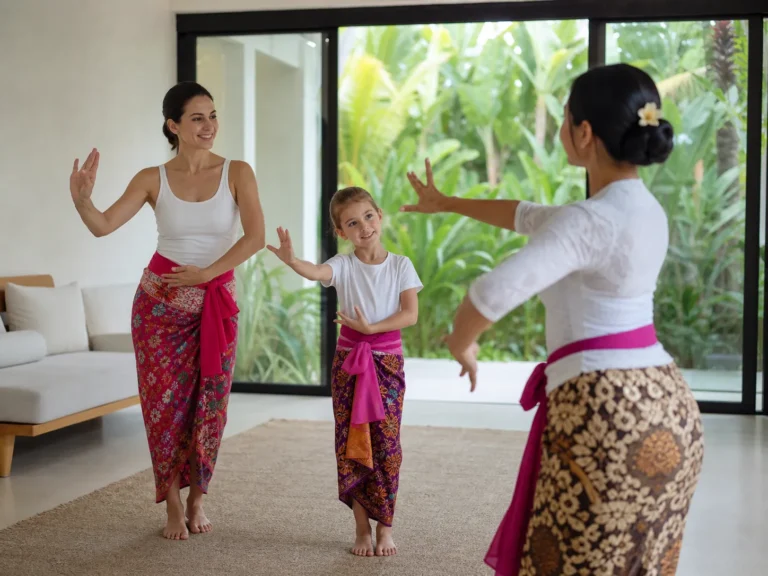
A private Panyembrama Welcome Dance in Bali provides the perfect shared activity. You can learn this beautiful tradition together in the complete comfort and privacy of your own villa.
Hiring a reliable Babysitter in Bali makes this process completely seamless. The caregiver handles younger siblings and prepares the practice area. This allows mothers and daughters to focus entirely on learning.
You can book these private sessions through certified local cultural organizations. Professional childcare ensures a safe and enriching experience. You can verify authorized cultural programs via the Ministry of Tourism website.
Table of Contents
Understanding the Welcome Dance Tradition
Created in 1983 by I Nyoman Suarsa, this specific art form provides pure amusement. It belongs strictly to the balih-balihan genre for performers. Audiences watch this specific style strictly for fun.
The choreography does not feature in solemn religious temple ceremonies. The Sanskrit word Gopala translates to cowherd in English. The dance reflects the cheerful daily activities of young village boys.
Children find these playful traditional movements incredibly relatable and fun. Dancers imitate farm animal behaviors using simple hand gestures constantly. They pretend to wipe sweat from their foreheads after working.
They mimic milking a cow with upward and downward hand motions. They make sweeping gestures to keep pesky birds away completely. These repetitive motions make it an ideal introductory activity.
Young learners easily grasp the basic choreography without feeling overwhelmed. A skilled local instructor keeps the afternoon session lighthearted and engaging. They encourage laughter and creativity instead of rigid perfection.
Boys and girls both enjoy participating in these lively sessions. The traditional costumes feature colorful sarongs and shiny golden belts. This vibrant attire adds extra excitement to the learning process.
Choosing a Private Panyembrama Welcome Dance in Bali Format
Expat families have multiple options for learning this routine. Public studios offer one-hour introductory sessions. These group classes typically cost around twenty-two dollars per person.
Private lessons provide a more customized experience. Instructors travel directly to your residence. This option eliminates travel time and guarantees complete privacy for your family.
A private Panyembrama Welcome Dance in Bali allows flexible scheduling. You can book sessions during late mornings or early afternoons. This timing perfectly accommodates school and remote work commitments.
Boutique resorts also facilitate private cultural workshops. These packages often include traditional music and costume preparation. Prices vary based on the duration and specific cultural inclusions.
A reliable Babysitter in Bali can coordinate these private sessions. They prepare the practice space before the instructor arrives. This administrative support maximizes your actual learning time.
Reliable transportation is often included in comprehensive premium resort packages. However, conducting the sessions at your own property remains the most efficient choice. This avoids navigating busy tourist areas entirely.
Physical Requirements for Mothers and Daughters
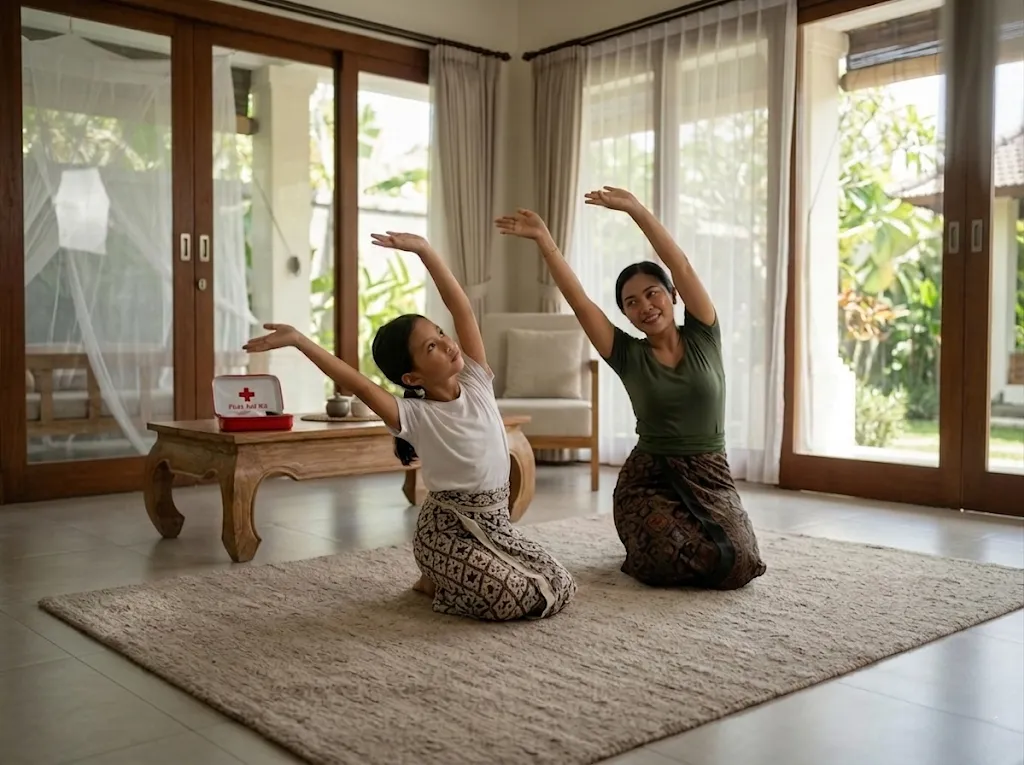
This activity requires basic mobility and balance. The choreography involves repetitive bending and precise wrist movements. Proper warm-up exercises prevent minor muscle strain and joint discomfort.
Instructors teach students how to maintain a lowered stance. This traditional posture engages the core and leg muscles. Beginners often need frequent breaks during their first few lessons.
Young girls improve their physical coordination through precise traditional gestures. They learn to coordinate eye movements with body shifts. The slow tempo prevents cardiovascular exhaustion.
Mothers benefit from the gentle stretching and mindful movements. The practice improves joint flexibility and overall posture. Instructors easily modify the steps for different adult fitness levels.
A caregiver monitors energy levels during the lesson. They provide water and encourage necessary rest periods. This active supervision ensures the physical safety of young learners.
Proper physical alignment ensures that students execute movements safely. Instructors pay close attention to the positioning of the lower back. This detailed guidance prevents long-term joint pain or muscle stiffness.
Hiring a Professional Caregiver for Support
A professional Babysitter in Bali transforms your learning experience. Caregivers handle the logistics and supervise younger siblings. Parents can then focus entirely on the dance steps.
Reputable agencies enforce strict vetting processes for caregivers. They verify previous childcare experience and conduct detailed background checks. Many professionals hold active first aid and CPR certifications.
The booking process is straightforward and fast. Parents submit their requirements through online platforms. Agencies match families with experienced caregivers based on specific scheduling needs.
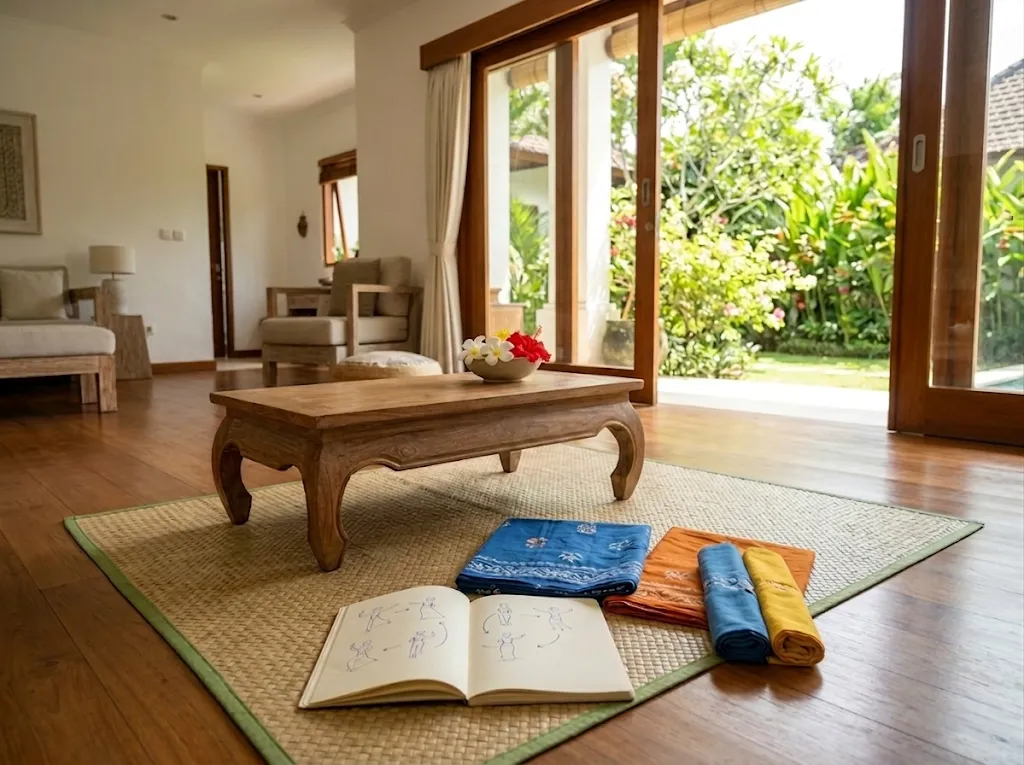
Caregivers assist with pre-class preparations. They help children put on traditional practice garments. They also organize necessary props like sashes and decorative offering bowls.
These professionals typically charge between seven and twelve dollars per hour. Agencies usually require a minimum booking block. Families should schedule support services well in advance.
Effective communication with your chosen caregiver guarantees a smooth experience. Parents should outline their exact expectations before the first lesson. This proactive discussion eliminates confusion regarding daily childcare responsibilities.
Real Story: Integrating Dance Practice at Home
When Marina, a financial analyst from Germany, first arrived in Uluwatu, she struggled with the intense tropical heat. The heavy humidity and loud roaring motorbikes made outdoor activities impossible.
She desperately wanted to bond with her young daughter over local traditions. However, managing her active toddler during studio trips proved disastrous. The toddler constantly disrupted the complex choreography lessons.
That is when she booked a Babysitter in Bali to manage her toddler at home. The caregiver created a quiet, air-conditioned environment inside their villa. Marina finally practiced her traditional steps uninterrupted.
Consistent practice reinforces the skills learned during formal lessons. Short daily sessions improve muscle memory and physical coordination. Fifteen minutes of focused practice yields excellent results over time.
Your caregiver can supervise these brief sessions. They play the appropriate traditional music and guide the warm-up. This creates a reliable daily routine for expat children.
Practicing at home removes the pressure of public performance. Daughters feel more confident exploring new movements. Mothers can correct postures in a supportive and completely private environment.
Families can record these private performances to share with relatives abroad. This creates lasting memories of their cultural education. The shared experience strengthens the emotional bond between parents and children.
Safety Protocols During Cultural Lessons
Safety remains a top priority during physical activities. Instructors must lead proper stretching routines before beginning. This prevents painful injuries to delicate wrists and ankles.
The tropical climate increases the risk of dehydration. Students must drink plenty of water before and after practice. Caregivers ensure water bottles are always accessible nearby.
Late afternoon classes expose students to active mosquitoes. Caregivers apply appropriate insect repellent before the session starts. They monitor the practice area for any potential environmental hazards.
Travel safety is crucial for studio-based lessons. Unfamiliar roads and heavy traffic pose severe risks for foreign drivers. Utilizing home classes eliminates this exact danger completely.
A dedicated caregiver tracks the child’s physical fatigue levels. They communicate directly with the instructor if the child needs a break. This proactive approach prevents exhaustion and frustration.
Maintaining a secure environment allows students to focus completely. Caregivers promptly address any minor scrapes or sudden insect bites. Their immediate response minimizes disruptions during the intricate choreography lessons.
Understanding Cultural Etiquette and Attire
Traditional choreography requires specific woven garments. Performers wear a sarong, a layering cloth, and a decorative sash. Instructors provide clear guidelines on how to tie these items correctly.
Proper attire shows immense respect for the local culture. Students should wear comfortable shirts that cover their shoulders. Caregivers assist children in dressing appropriately for each daily session.
This traditional choreography is often performed in ceremonial contexts. Foreign learners must understand the difference between studio practice and temple performances. Distinct behavioral rules apply to sacred spaces.
A bilingual caregiver serves as a vital cultural bridge. They translate complex instructions regarding proper local etiquette. They explain how to handle sacred flower offerings respectfully.
This guidance prevents accidental and embarrassing cultural offenses. Children learn the deep significance behind each hand gesture. The educational process fosters respect for local traditions and strict community standards.
Respecting these specific rules demonstrates genuine appreciation for local customs. Instructors warmly welcome foreign students who show dedication to these traditions. This mutual respect creates a highly positive learning environment.
Managing Schedules with Childcare Services
Balancing demanding work, school, and cultural activities requires organization. Expat families rely on structured schedules to maintain daily harmony. Private lessons offer the necessary flexibility for busy parents.
You can align class times with your professional commitments. Instructors accommodate weekly or bi-weekly standing appointments. Consistent scheduling ensures steady progress for both the mother and daughter.
A dedicated Babysitter in Bali integrates smoothly into this schedule. They arrive thirty minutes before the private lesson begins. This helpful buffer time allows for unhurried physical preparation.
Following the class, the caregiver manages the essential cool-down period. They assist with changing out of traditional garments. They prepare healthy snacks while the parents return to work.
This reliable support system reduces overwhelming household stress. Mothers enjoy uninterrupted bonding time with their lovely daughters. The entire family benefits from a well-managed cultural education program.
Professional caregivers adapt quickly to unexpected schedule changes. They provide reliable coverage if a private lesson runs slightly overtime. This flexibility is essential for busy expat professionals living abroad.
FAQs about Panyembrama Welcome Dance in Bali
Q: What is the ideal age to start learning?
A: Children as young as five can learn basic hand movements and postures with proper guidance.
Q: Do we need to buy traditional costumes?
A: No. Instructors typically provide the necessary sashes and practice sarongs for private villa lessons.
Q: How long does a private session last?
A: A standard private lesson lasts between one and two hours to prevent severe physical exhaustion.
Q: Can a Babysitter in Bali help with translation?
A: Yes. Many professional caregivers are completely bilingual and can help translate the instructor’s directions clearly.
Q: Is this routine suitable for complete beginners?
A: Yes. It is specifically designed as a foundational routine with slow, easily memorized traditional steps.
Q: Can we perform this routine at a local temple?
A: Temple performances require strict adherence to religious protocols and are usually reserved exclusively for locals.

