

What Sitters Want Parents to Know in Bali: 7 Unspoken Expectations
Hiring a Babysitter in Bali changes your entire holiday experience. You finally have freedom, but sometimes the professional relationship hits friction. You might sense tension without knowing the specific cause of the discomfort.
Caregivers often feel unable to express their needs directly. This cultural gap leads to misunderstandings about schedules, boundaries, and payment. Your family deserves a supportive partnership built on mutual, open, and clear respect.
Are you unknowingly undermining your caregiver? Parents often struggle to balance instructions with flexibility. You may push boundaries without realizing the impact on your child’s caregiver during their long, demanding working shifts.
Small changes in your approach create a massive impact. Respecting professional needs fosters loyalty. A happy, well-rested caregiver provides better attention for your kids while you focus on work or relaxing.
Learn the unspoken expectations from local professionals. We reveal the secrets that bridge the cultural divide. This guide empowers you to build a thriving relationship, ensuring your children thrive in safe hands.
Read official Indonesian child safety guidelines to understand the standards for youth programs. Following these principles alongside professional advice ensures your family enjoys a balanced, memorable, and truly relaxing holiday experience.
Table of Contents
Expectation 1: Clear Communication About Routines
Many parents underestimate the value of information sharing, which is central to What Sitters Want Parents to Know. Sitters rely on specific details to provide top-tier care. Vague instructions lead to frustration.
Share your child’s full daily routine before booking. Mention wake-up times, nap schedules, and specific meal preferences. When a caregiver understands these details, they avoid the pitfalls of an overtired, grumpy toddler.
Detail any behavioral triggers in advance. Does your child fear dogs? Do they need a specific blanket to sleep? Communicating these small preferences ensures your Babysitter in Bali maintains a consistent, calm environment.
Discipline approaches must be clearly discussed early. Do you prefer time-outs or gentle redirection during tantrums? Aligning your styles prevents confusion and ensures the child feels secure under the caregiver’s attentive supervision.
Emergency contacts are mandatory for every booking. Keep a written note of your villa address and doctor details. This proactive preparation protects your children and allows the caregiver to act immediately.
Expectation 2: Mandatory Breaks for Long Shifts in Bali
Mandatory breaks are not optional favors. They are essential labor standards. For shifts over four hours, provide a thirty-minute break. For eight-hour shifts, grant a one-hour rest to pick up food.
Caregivers need this time to reset physically and mentally. Skipping breaks leads to exhaustion. An energized Babysitter in Bali provides safer, more attentive care during the final hours of your long working day.
Respect this time by arranging backup support or scheduling the break during nap times. Do not ask the caregiver to skip meals. This builds resentment and lowers the quality of the care provided.
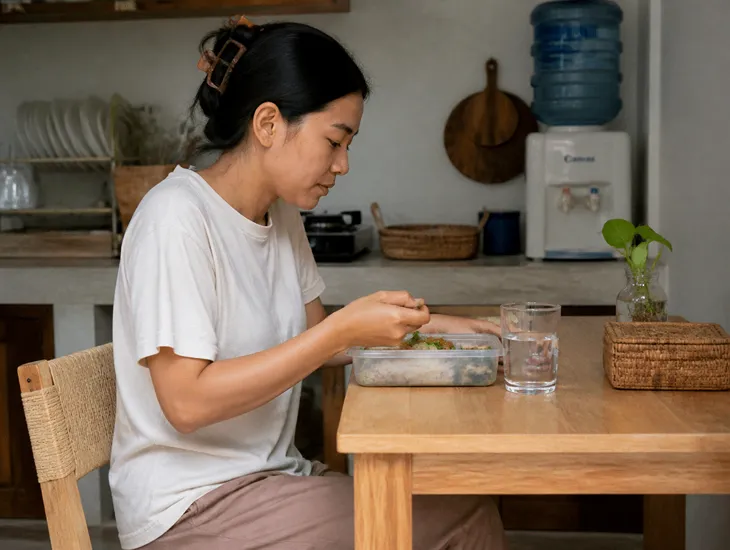
Local culture places high importance on midday meals. Allow your caregiver to eat a proper, nutritious lunch away from the children. This simple respect fosters a loyal and highly committed long-term relationship.

Expectation 3: Realistic Child-to-Sitter Ratios
Safety always dictates the maximum group size. Industry standards limit caregivers to two children for optimal attention. This ratio prevents accidents near swimming pools or busy villa staircases during your hectic party.
Age-based constraints are equally critical. Infants always require one-on-one supervision. Toddlers move quickly and need constant eyes on them. A caregiver struggling with four kids cannot guarantee the safety your child deserves.
Be realistic about your group’s needs. If you host a party with many children, book additional sitters. It is far better to have too much supervision than to risk a preventable accident.
Always consult your caregiver regarding the final headcount. They know their limits and the specific hazards of your venue. Respecting their professional judgment demonstrates that you prioritize child safety over budget.
Expectation 4: Respect Professional Boundaries
Childcare is the primary scope for every professional. Do not expect house cleaning, laundry, or adult cooking unless you negotiate these roles separately. Splitting focus between cleaning and childcare compromises basic safety.
Cultural misunderstandings often occur in Indonesia. Some parents assume a caregiver does everything. However, professional agencies separate roles to ensure quality. A Babysitter in Bali is a specialist, not a general housemaid.
Tasks like mopping floors or scrubbing adult bathrooms detract from the children’s experience. When a caregiver is distracted, they cannot effectively supervise play or provide the educational interaction your children truly deserve.
Overloading staff leads to quick burnout. Fairness ensures your caregiver stays with your family longer. If you need cleaning, hire a separate housekeeper. This keeps the roles distinct and the service quality high.
Real Story: Logistics Solved in Berawa
Agnes, a designer from Germany, lived in Berawa. She struggled with constant friction in her home. Her sitter seemed unhappy during long shifts. The tension affected the home environment for everyone.
Agnes felt lost regarding her expectations. She needed a way to align her needs with her sitter’s professional requirements. She felt the current situation was unsustainable for her family’s long-term needs.
She utilized our agency service to define clear expectations. Our team provided structured job briefs. Agnes realized she had never formally defined the scope of work or mandatory break times clearly enough.
The change was immediate. She provided a one-hour lunch break daily. She clarified that the Babysitter in Bali was a childcare expert, not a housekeeper. This restored the sitter’s professional confidence instantly.
The home became harmonious again. Mia thrived under a calm, energized caregiver. Agnes finally maintained her business focus without guilt. She learned that a clear partnership is the key to childcare success.
By establishing this trusted relationship, Agnes finally found her balance. She realized why hiring a professional caregiver is essential for maintaining peace of mind while running a business abroad with young children.
Expectation 5: Trust Professional Judgment in Bali
Constant micromanaging undermines your caregiver’s confidence. You hired an expert for a reason. Trust their specialized training. Constant texting or surveillance prevents them from being fully present with your young children.
Agree on a communication schedule before the day begins. Perhaps you prefer updates only during nap times. This structured approach allows the sitter to focus entirely on the children without external interruptions.
Avoid criticizing small, inconsequential decisions. Does it matter if the child chose a blue cup instead of a red one? Focus on the big picture of child safety and emotional engagement.
If you have major concerns, address them privately at the end of the day. A calm, professional debrief is the best environment for constructive feedback. This protects the caregiver’s focus during the shift.
Remember that professionals possess assessment capabilities. They recognize illness symptoms and safety hazards quickly. They often see things you might miss in the heat of your busy, distracted workday or event.
Expectation 6: Payment Clarity and Timeliness
Professionalism in payment builds strong partnerships. Discuss rates clearly before booking. Confirm your agreement on hourly fees, potential overtime, and transportation costs to avoid any awkwardness once the work shift ends.
Always pay the agreed amount promptly. Cash remains the preferred method for daily or occasional bookings in Indonesia. Never delay payment with promises to pay later after a single shift.
Tipping shows sincere appreciation for exceptional work. If your caregiver manages a difficult tantrum or stays late during an emergency, an extra tip reflects your gratitude. It secures your status as a valued client.
Never attempt to negotiate rates downward after the shift. This behavior is highly unprofessional and damages your reputation. Sitters communicate with each other; poor payment behavior makes finding future help difficult.
Maintain transparency throughout the entire process. If you encounter a problem with the service, address it directly or through the agency. This constructive approach is far better than withholding deserved wages.
Expectation 7: Cultural Sensitivity and Appreciation
Balinese sitters act as a cultural bridge for your family. They teach children Bahasa Indonesia and share fascinating local customs. Recognize this as a professional competency, not just a pleasant, unexpected bonus.
Respect religious observances with understanding. Your caregiver may need time off for major ceremonies like Galungan or Nyepi. Accommodating these important cultural requirements shows you respect their personal life and heritage.
Show genuine curiosity about Balinese traditions. Ask about the daily offerings or local holidays respectfully. This interest builds a warmer connection and ensures a more meaningful experience for your children today.
Avoid treating your caregiver like an exotic prop for photos. Treat them with the same respect you show any other professional. This basic dignity creates a positive, collaborative environment for everyone involved.
FAQs about What Sitters Want Parents to Know
Q: How do I find a reliable caregiver for my child?
A: Always work with certified agencies that provide background checks and skill training.
Q: Is it better to have one sitter?
A: Yes, consistency builds trust and helps your children feel secure during your stay.
Q: What should I pay my caregiver?
A: Rates vary by experience, but you should always prioritize fair pay for professional services.
Q: Can my sitter help with housework?
A: Some sitters include light chores, but focus primarily on your child’s well-being and safety.
Q: What if I have an emergency with my schedule?
A: Having a long-term relationship ensures your sitter is more likely to help on short notice.
Q: Are these sitters trained in first aid?
A: Yes, professional caregivers in Indonesia often hold certifications for basic safety and emergency handling.

