
Review Us
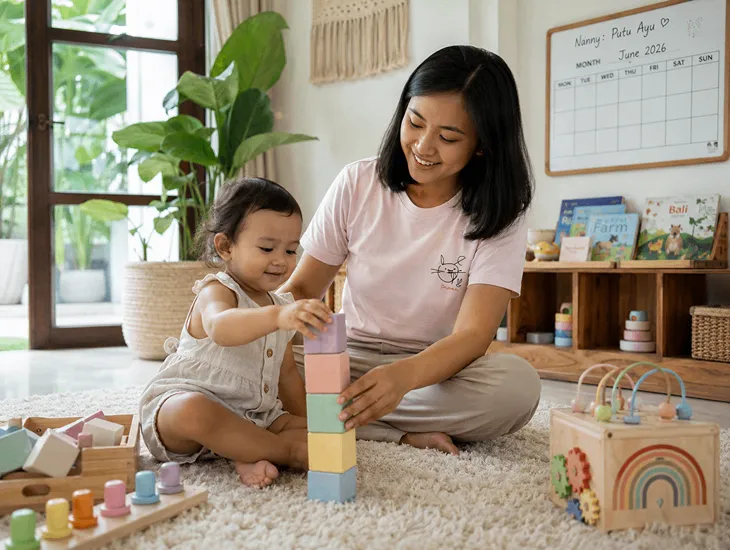
Pacifier Weaning Tips 2026 – Professional babysitter helping a toddler fall asleep without a dummy in Indonesia
author-2

Pacifier Weaning Tips for Parents on When and How to Stop Use in Bali

Constant dummy usage often causes significant stress for expat parents. Your child relies heavily on this small object for every nap. Breaking this strong habit feels absolutely impossible for busy working families.

Prolonged dependency creates massive disruptions during your daily routines. Your toddler screams inconsolably whenever the soother goes missing. These intense meltdowns disrupt family evenings and cause exhaustion.

Health risks become a severe concern as your baby grows older. Extended usage negatively alters jaw development and delays speech milestones. You constantly worry about lasting dental damage and frequent painful ear infections.

Professional guidance makes this difficult transition much easier to manage safely. Implementing proven pacifier weaning tips helps you break the dependency gently. You can restore peace to your household with structured daily routines.

Partnering with an expert caregiver ensures absolute consistency. A trained babysitter actively supports your family through every challenging transition. They implement gentle distractions to soothe your child effectively without relying on artificial accessories.

The American Academy of Pediatrics recommends stopping usage early to prevent severe health complications. Utilizing professional childcare support guarantees a healthier developmental path. Your child will sleep peacefully and independently very soon.

When to Stop Using Dummies and Soothers

Experts recommend starting the elimination process around six to twelve months. This early timeline actively prevents dangerous ear infections. It also stops strong emotional dependencies before they become deeply ingrained daily habits.

The American Academy of Pediatric Dentistry advises stopping all usage before age three. Continuing beyond this age permanently affects tooth alignment and jaw structure. Early intervention saves your child from extensive dental corrections later.

If your child is over eighteen months, focus on limiting usage strictly to bedtime. Minimize daytime access so they can practice crucial language skills. Children need an empty mouth to practice forming new words and sounds.

You must choose a timeline that fits your child’s unique temperament. Some families prefer rapid changes, while others need slow transitions. Applying effective weaning strategies ensures you navigate this emotional timeline successfully.

Never start this transition during major life changes or family illnesses. Wait until your household environment is calm and predictable. A reliable babysitter provides the secure foundation necessary for giving up comfort objects.

Focus on creating a supportive environment. Remove unnecessary stressors from your daily schedule during this specific period. Extra cuddles and focused attention help them process this monumental developmental leap safely and securely.

Why You Need Effective Pacifier Weaning Tips

Pacifier Weaning Tips 2026 – Babysitter reading a book to distract a child from wanting a soother

Prolonged usage severely impacts your child’s developing jaw and facial structure. Continuous sucking pushes the front teeth outward unnecessarily. This creates an open bite that requires complicated orthodontic treatments in the distant future.

Speech development suffers greatly when a child constantly has an occupied mouth. They miss valuable opportunities to babble and attempt new words. This physical barrier delays crucial early communication milestones significantly every day.

Children often develop a muffled voice and articulation difficulties over time. They struggle to pronounce specific sounds correctly due to restricted tongue movement. Removing the accessory allows their oral muscles to develop naturally.

Health experts warn about the increased risk of chronic ear infections. The continuous sucking motion alters pressure within the ear canal negatively. Stopping usage by six months reduces these painful, recurrent infections drastically.

Emotional dependency becomes the hardest hurdle for parents to overcome alone. Children use the object to manage every minor frustration. Utilizing proven pacifier weaning tips teaches them healthier self-soothing mechanisms for emotional regulation.

Relying on an artificial soother disrupts their natural sleep cycles significantly. They wake up completely disoriented when the item falls out unexpectedly. Teaching them independent sleep skills guarantees better rest for the entire family.

The Cold Turkey Method Explained

The cold turkey approach involves taking the object away completely all at once. This method provides a very clear, unambiguous boundary for your toddler. There is zero confusion about the new household rules.

You must endure a few very difficult days and restless nights initially. Your child will likely experience intense meltdowns and frustration. However, this intense period usually resolves much quicker than gradual weaning methods.

Replace the lost item with a brand new, highly desirable comfort object. Offer a soft blanket or a special stuffed animal for sleeping. This new item provides alternative security during their anxious moments.

Collect every single soother hidden around your entire house immediately. You cannot risk your child finding a stray one a week later. Finding a hidden stash can derail your hard-earned progress.

Applying these effective strategies requires incredible parental resolve and patience. You cannot give in when your toddler cries inconsolably at midnight. Holding your ground ensures the strong habit breaks permanently and quickly.

Prepare yourself mentally for the challenging emotional outbursts that will occur. Stock up on coffee and tag-team the night shifts with your partner. Your unwavering commitment teaches your child vital self-soothing skills permanently.

The Gradual Elimination Approach

Gradual elimination slowly reduces usage over several consecutive weeks smoothly. This gentle method feels much less traumatic for sensitive children. It allows them adequate time to process the changing boundaries without overwhelming panic.

Start by restricting access exclusively to naps and nighttime sleep. Keep all accessories completely out of sight during waking hours. This eliminates mindless daytime sucking and encourages active playtime engagement immediately.

After two weeks, eliminate the object during daytime naps completely. Your child will learn to self-soothe during daylight hours first. Continue using alternative comfort methods to help them drift off peacefully at noon.

The final step involves removing the accessory at bedtime entirely. This process usually takes four to six weeks to complete successfully. Following these pacifier weaning tips requires strict discipline to maintain the timeline.

This approach demands extreme consistency from every single family member. If a babysitter or parent caves during a tantrum, the timeline resets entirely. Unified teamwork guarantees your child adapts to the new rules effortlessly.

Celebrate every small victory achieved during this prolonged transition period enthusiastically. Offer praise when they complete a car ride without their usual accessory. Positive reinforcement builds their confidence and reduces overall daily anxiety.

Real Story: Conquering Sleep Struggles in Pererenan

Martin, an expat from Canada, wiped the sweat from his forehead. He tried to stay calm as his two-year-old screamed loudly inside their villa in Pererenan. The lost dummy made daytime naps completely impossible.

His anxiety skyrocketed as urgent client emails piled up unanswered. He spent hours rocking his son, trying to soothe the endless crying. This constant interruption ruined his productivity and severely strained his mental health.

He realized he desperately needed someone objective to enforce strict new boundaries. After researching various strategies, he hired a professional babysitter in Bali. The caregiver arrived with a calm, gentle demeanor and an actionable plan.

The caregiver introduced fun outdoor water activities to keep the toddler’s mind busy. She applied professional pacifier-weaning tips by restricting dummy access to naptime only. She offered a soft toy turtle as a comforting replacement.

Within a week, his son stopped asking for the dummy during daylight hours. He finally drank his morning coffee in total silence. With expert childcare support, his toddler transitioned smoothly.

The caregiver also taught him valuable techniques for managing evening routines independently. Martin learned to use soothing music and gentle back rubs effectively. This knowledge empowered him to maintain the new boundaries permanently.

How a Babysitter in Bali Helps

Pacifier Weaning Tips 2026 – Childcare provider offering a soft toy as a comfort object replacement

A professional caregiver enforces your established routines with total objectivity. They follow your exact plan without giving in to emotional manipulation. This strict consistency is vital when removing a beloved comfort item permanently.

These experts utilize brilliant distraction techniques throughout the entire day. They engage your toddler with captivating crafts and energetic outdoor games. Keeping their hands and minds busy prevents boredom-related crying fits from starting entirely.

Experienced childminders understand how to introduce new comfort objects successfully. They encourage the child to snuggle a fresh blanket instead. This gentle substitution eases the transition and promotes healthy independent sleeping habits.

Hiring a babysitter gives exhausted parents a desperately needed break. A professional caregiver handles bedtime resistance while you rest quietly. Their emotional distance makes enforcing the new rules much easier overall.

Detailed daily feedback regarding your child’s emotional adjustment helps you refine strategies. You learn exactly which distraction techniques work best for your toddler. This valuable communication helps you optimize your nighttime routines.

Trained eyes notice subtle behavioral changes that exhausted parents might easily miss. They identify the exact moments your child feels most vulnerable and anxious. Their proactive approach prevents massive meltdowns before they even begin.

Creative Strategies for Toddlers

Introduce the magical concept of a special fairy who collects old soothers. Have your child or babysitter place the items under their pillow at night. Replace them with a wonderful new toy by morning.

You can also trade the items for a highly anticipated reward. Let your toddler exchange their collection for a massive new playset. This transaction makes them feel incredibly proud of their newfound maturity.

Encourage empathy by suggesting they donate their collection to new babies. Explain that younger infants need the items much more than they do. This narrative frames the loss as a beautiful, generous act.

Host a grand celebration to commemorate their transition to big kid status. Decorate the house and bake a special cake for the occasion. Positive reinforcement makes the difficult transition feel incredibly exciting and special.

Implementing these creative elimination strategies requires enthusiastic parental participation always. You must hype up the transition to build their confidence. Turning a scary loss into a joyful milestone prevents severe behavioral regressions.

Read engaging children’s books that discuss giving up beloved comfort objects. Seeing their favorite characters navigate similar struggles normalizes their own complex feelings. Storytime offers a beautiful bonding opportunity during this emotional transition.

Ensuring Consistency Across Caregivers in Bali

A babysitter, grandparents, and parents must present a completely unified front. Every single adult interacting with your child must follow the exact same rules. Mixed messages will undermine your entire transition effort instantly.

Create a detailed written document outlining your specific elimination strategy. Share this schedule with your babysitter who watches your child regularly. Clear written instructions prevent accidental slip-ups during highly stressful crying episodes.

Provide your babysitter with a list of acceptable alternative soothing methods. Ensure they know to use rocking, singing, or specific soft toys. Equipping them with proper tools guarantees they never return the dummy.

If a babysitter gives the item back just once, the child learns to push boundaries. They will whine relentlessly until someone finally caves. Absolute strictness is the most vital component of permanent success.

Utilizing advanced transition plans ensures everyone understands the long-term goal. The temporary distress is worth the permanent developmental benefits gained. Consistent enforcement leads to a happier, healthier, and much more independent child.

Schedule regular check-ins with your babysitter to discuss ongoing daily progress. Share any new challenges or successful distraction methods you have discovered recently. Open dialogue guarantees everyone adapts to the child’s changing emotional needs.

FAQs about Pacifier Weaning Tips

Q: When is the best time to start eliminating soothers?

A: Experts recommend starting the process between six and twelve months to prevent ear infections.

Q: Can a babysitter help with the elimination process? 

A: Yes, a professional babysitter objectively enforces your boundaries and provides engaging daytime distractions.

Q: What is the cold turkey method? 

A: It involves taking all soothers away at once, resulting in a few hard days but quicker permanent results.

Q: How do I handle sleep disruptions during the transition? 

A: Introduce a new comfort object like a soft blanket and maintain a strict, predictable bedtime routine.

Q: Why do dental experts urge stopping by age three? 

A: Prolonged usage severely alters jaw development and causes permanent tooth misalignment issues that require correction.

Need help with pacifier weaning tips, Chat with our team on WhatsApp now!