

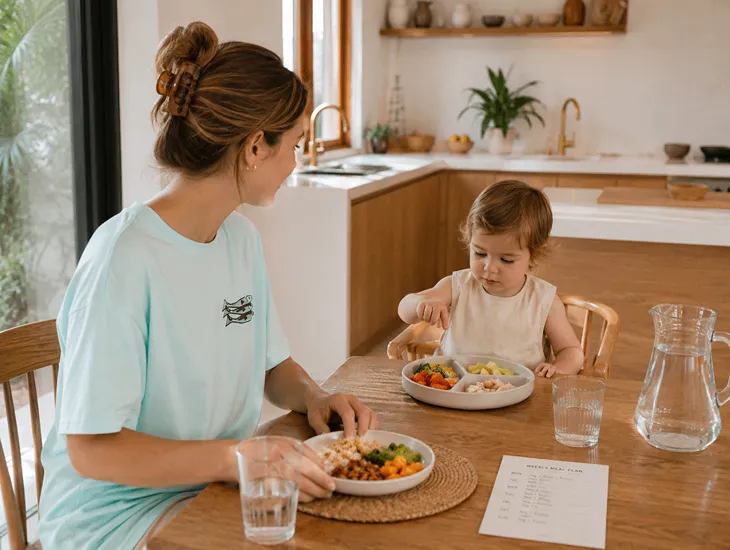
Picky Eater Solutions: Working with Your Babysitter for Success in Bali
Mealtime battles often define early toddler years for many expat families. You prepare nutritious meals, yet your child refuses every bite. This struggle creates unnecessary daily tension in your home.
You worry constantly about their nutritional intake and growth. Every dinner becomes a high-stakes negotiation that leaves you feeling exhausted. Trying to force consumption only makes your child resist the food further.
This cycle of refusal and frustration feels overwhelming for working parents. You desperately need a fresh, neutral approach to restore your joy. Reclaiming peace during mealtimes is entirely possible for you.
Evidence-based feeding strategies provide a proven path to success. You do not need to struggle through these difficult food fights alone. Professional support can turn your stressful table time around permanently.
Implementing effective Picky Eater Solutions requires patience and consistent daily practice. A professional babysitter in Bali integrates these expert techniques into your child’s schedule. This removes the stress from your daily routine.
Table of Contents
Understanding Normal Picky Eating Phases
Picky eating is a developmentally normal phase for most toddlers. It typically occurs between the ages of two and four years old. Your child is simply asserting their natural independence and control.
This behavior is common enough to be considered typical toddler development. Most children eventually outgrow this stage with gentle guidance. Understanding this perspective helps you remain calm during daily mealtime resistance.
Your toddler is learning to navigate their own food preferences daily. They may be completely unpredictable about what they want to eat. This volatility is a natural part of their evolving personality.
Do not view this phase as a failure of your parenting. Focus on remaining neutral and supportive throughout these challenging years. Your primary goal is to foster a positive, lifelong relationship with food.
Regular check-ins with your pediatrician can provide extra peace of mind. They monitor growth patterns to ensure your child remains healthy overall. Trust in the natural process of childhood development and growth.
Foundation: The Division of Responsibility
The Division of Responsibility is a proven feeding approach endorsed by experts. It creates clear roles for both parents and children. This structure drastically reduces power struggles at your dinner table daily.
You are responsible for the “what,” “when,” and “where” of eating. You choose nutritious menu items and set consistent meal times. You also determine the specific environment where food is served.
Your child is responsible for the “how much” and “whether.” They decide whether or not to eat the food provided. They also choose how much of it they consume during each sitting.
This approach trusts your child’s internal hunger and fullness cues perfectly. It empowers them to listen to their own body needs. You provide healthy options, and they decide how to respond.
Implementing this philosophy is one of the most effective Picky Eater Solutions available today. It removes the pressure from mealtimes. You stop worrying about consumption, and your child stops fighting for control.
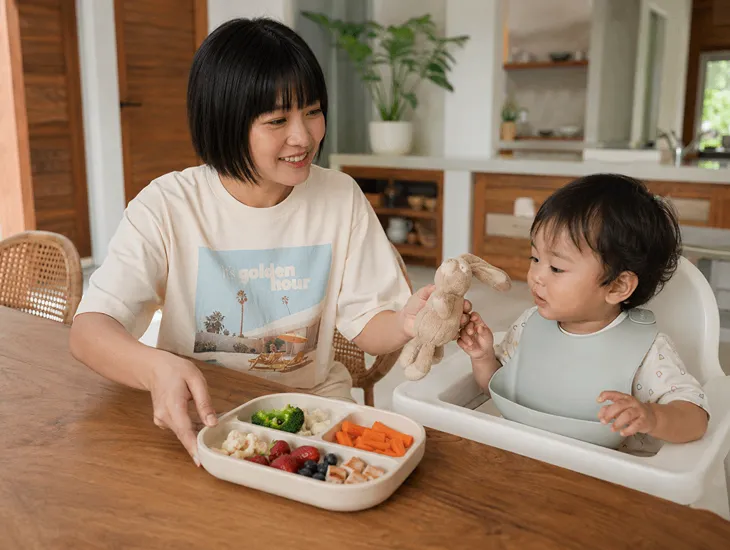
Implementing Effective Picky Eater Solutions
Family-style meals are incredibly beneficial for developing healthy eating habits. Share your meals together as a family as often as possible. Turn off all media distractions like televisions or mobile devices entirely.
Model healthy eating by demonstrating good habits at the table yourself. Serve one single meal for the whole family every time. Avoid the urge to make a separate meal if they refuse.
Do not pressure kids to eat or punish them for refusal. Pressure often makes children actively dislike foods they might otherwise enjoy. Allow them to listen to their bodies and hunger cues.
Avoid bribing your child with treats for eating specific food items. Bribes make “prize” food seem more exciting than nutritious meals. Remove judgmental language like “good” or “bad” regarding food choices.
Keep offering new foods even if they are refused repeatedly. It can take fifteen or more tastes for a toddler to accept them. Scheduled meals ensure they are hungry when new foods appear.
Strategies for Positive Meal Environments
Create a relaxed, joyful atmosphere during all family mealtime sessions. Avoid coercion, negative comments, or stressful pressure. Focus instead on the social aspects of eating and shared family experiences together.
Maintain a neutral attitude regardless of whether your child eats. Do not get overly animated or performative while feeding them. A low-stress, no-pressure approach is the most effective way to encourage intake.
Offer a wide variety of nutritious foods, including colorful fruits and vegetables. Help your child explore different flavors, aromas, and textures daily. Small, consistent exposures eventually lead to broader food acceptance later.
Involve your toddlers in simple meal preparation tasks whenever possible. Sifting, stirring, or washing vegetables creates a positive association with food. They are much more likely to eat meals they helped prepare.
Try adding different herbs and spices to make simple meals tastier. Use creative food arrangements to make plates look eye-catching and fun. These small efforts significantly improve your child’s interest in eating.
Use “food bridges” to introduce items with similar colors or textures. If they like sweet potatoes, try mashed carrots or pumpkins. This strategy gently expands the variety of foods they accept comfortably.
Real Story: Transforming Mealtimes in Uluwatu
When Olga, a 35-year-old marketing manager from Russia, lived in a busy villa in Uluwatu, she struggled. The tropical humidity felt heavy. Her toddler refused almost every meal, leading to stressful dinners.
The constant sound of scooters on the road frayed her nerves. She felt like she was failing as a mother. She dreaded every mealtime because of the inevitable crying and tension.
She needed immediate, structured help to regain her sanity and family focus. That is when she hired a highly recommended babysitter in Bali. The caregiver arrived with a very clear, actionable plan.
The babysitter managed the feeding schedule with precision and absolute calm. She applied Picky Eater Solutions by involving Olga’s son in making fun, colorful shapes with his vegetables. He started eating.
The caregiver managed each mealtime with precision. Olga finally enjoyed fresh fruit on her patio while watching them play. This professional support completely saved Olga’s daily peace and happiness.
Now, Olga starts her day feeling refreshed and totally confident. She knows her son is in safe, professional hands. Their home life feels harmonious and joyful despite the demanding work schedule.
How a Babysitter in Bali Helps
A professional caregiver enforces your established feeding routines with total objectivity. They follow your exact plan without giving in to emotional manipulation. This strict consistency is vital when managing your child’s nutrition.
These experts utilize brilliant distraction techniques throughout the entire day. They engage your toddler with captivating crafts and energetic outdoor games. Keeping their hands and minds busy prevents boredom-related crying fits entirely.
An experienced babysitter understands how to introduce new foods during mealtimes successfully. They model eating the food enthusiastically to show it is safe. This gentle encouragement eases the transition for your toddler.
Hiring a babysitter gives exhausted parents a desperately needed break daily. A professional caregiver handles mealtime resistance while you rest quietly elsewhere. Their emotional distance makes enforcing the new rules easier.
Detailed daily feedback regarding your child’s behavior helps you refine strategies. You learn exactly which Picky Eater Solutions work best for your toddler. This valuable communication helps you optimize your mealtime routines.
A babysitter provides essential emotional support during this tough transition phase. They provide extra cuddles and reassurance when your child feels frustrated. This nurturing approach keeps mealtimes positive and completely stress-free today.
Tips for Managing Snack Schedules
Provide a set meal and snack schedule for your young child. Ideally, aim for two to three hours between each meal or snack. This ensures your child remains hungry for their main meals.
Ensure you provide a balanced snack with ample protein to keep them full. Scheduled meals and limiting grazing ensure your child is hungry when new foods are introduced at the dinner table.
Create clear table time expectations for your child to follow. Everyone must stay at the table while family members eat their meals. This builds a routine that helps children understand how to eat.
If your child only stays at the table for one minute, start small. Gradually build the expectation to five or ten minutes over several weeks. Never force them to stay beyond twenty minutes total.
Use a visual timer to help your child understand the mealtime structure. This simple tool reduces anxiety and provides a predictable end to the meal. Predictability helps children feel safe and much more secure.
Professional Feeding Support Standards
AusIndo Bali Group maintains high standards for childcare and food preparation. Babysitters must pass rigorous tests regarding baby food preparation and basic cooking skills. This ensures they can safely implement your chosen nutritional strategies.
Every babysitter undergoes a thorough criminal background check before placement. This vetting process provides families with necessary peace of mind. Your child’s safety is the absolute priority when managing their daily dietary needs.
Your babysitter should possess current first aid and CPR certifications. They must be prepared to handle any potential choking hazards or allergic reactions instantly. Professional training ensures your toddler remains safe at home.
English competency is a standard requirement for all quality agencies in Bali. This ensures clear communication regarding your child’s specific feeding rules and routines. You never have to worry about misunderstandings during daily meals.
Ask your chosen agency about their specific experience with picky eaters. Many providers offer training on positive, low-pressure feeding techniques. This expertise helps them support your family through these difficult development phases.
Professional agencies in Bali prioritize ongoing training for all their staff members. You receive a caregiver who understands the importance of consistency and positive reinforcement. They are dedicated to your child’s healthy growth.
FAQs about Picky Eater Solutions
Q: Why is my toddler suddenly refusing food?
A: It is a developmentally normal phase between ages 2-4 where toddlers assert their independence.
Q: How can a babysitter help with feeding?
A: A babysitter provides consistent, objective support and implements your feeding plan without emotional pressure.
Q: Should I force my child to finish their plate?
A: No. Avoid the “clean plate club” and allow your child to stop when they feel full.
Q: How many times should I offer new foods?
A: It often takes 8 to 15 exposures before a child will accept a new food item.
Q: What if my child only eats one type of food?
A: Always include at least one “safe food” on their plate to ensure they eat something nutritious.
Q: What is the Division of Responsibility?
A: It is a feeding philosophy where the adult chooses the food, and the child decides the intake.

