
Baby Blanket Types: What You Actually Need for Strollers, Swaddling, and Sleep
Expat parents in Indonesia often feel overwhelmed by endless baby product lists online. Figuring out essential sleep accessories creates unnecessary stress for busy families settling into their new tropical environment.
Navigating different Baby Blanket Types is particularly confusing for first-time parents. Using the wrong fabric in a hot climate leads to overheating risks and uncomfortable, restless nights for the whole family.
Using loose covers in a crib is linked to a much higher risk of sudden infant death syndrome (SIDS). Parents lose vital sleep worrying that their babies might suffocate or overheat beneath inappropriate bedding.
Confusion over what works best in humid environments causes further frustration. Buying unnecessary items wastes money and creates household clutter, leaving remote-working parents feeling exhausted and completely drained.
Understanding proper sleep safety solves this urgent problem. The U.S. Consumer Product Safety Commission recommends bare sleep spaces, emphasizing that appropriate infant garments eliminate the need for dangerous loose bedding.
Choosing the correct Baby Blanket Types guarantees a safe, comfortable rest for your child. A trained professional applies these safety standards, ensuring your infant sleeps securely while you focus on your work.
Table of Contents
Essential Covers for Newborns
Identifying the right Baby Blanket Types starts with the versatile receiving blanket. These small, rectangular cloths are incredibly practical for daily use in your home and during quick outings.
Receiving blankets serves multiple purposes effortlessly. You can use them as a light cover during contact naps, a burp cloth, or a clean surface for changing diapers on the go.
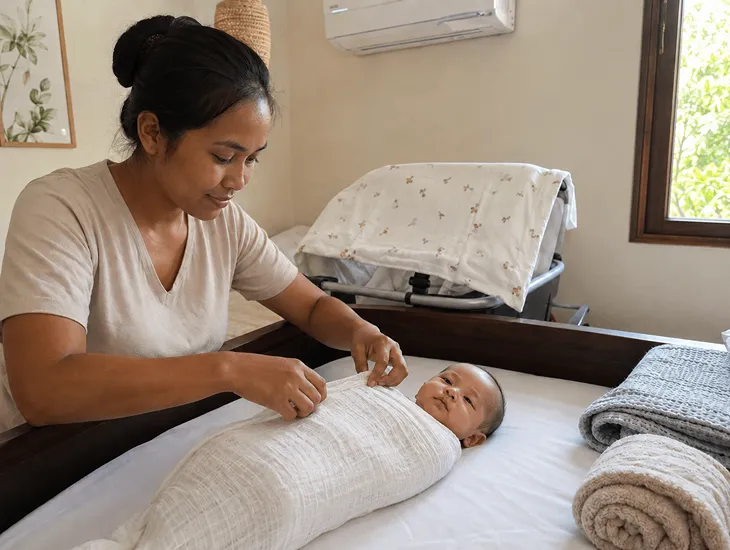
Traditional swaddles are another absolute necessity for newborns. These large, breathable squares wrap infants snugly, mimicking the secure feeling of the womb to help them settle more easily.
You should always choose lightweight materials like muslin or bamboo. These breathable fabrics prevent overheating, which is a critical concern for families living in tropical Indonesian environments.
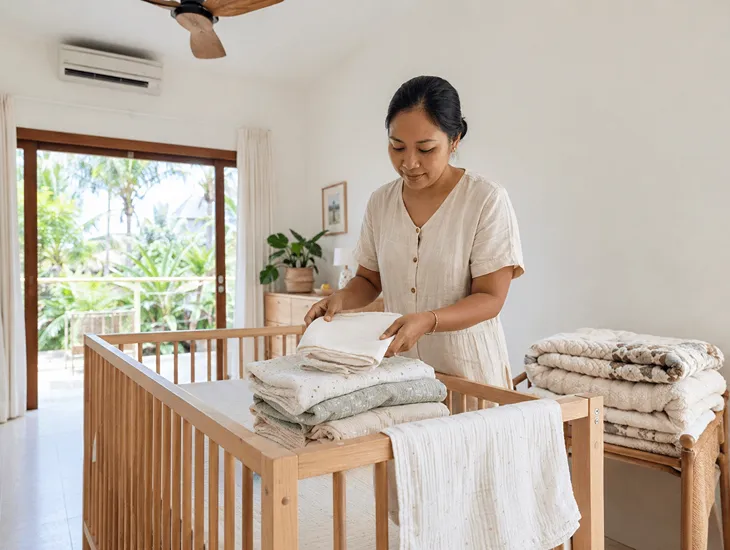
Sleep experts suggest keeping three to six swaddles in rotation. This ensures you always have a clean option available during unpredictable laundry days or after frequent spit-ups.
Understanding Wearable Swaddles and Sleep Sacks
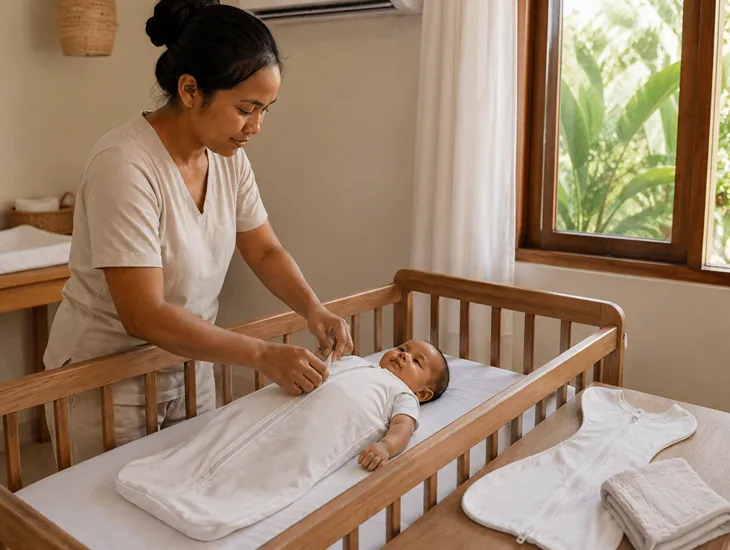
Wearable swaddles provide an excellent alternative to traditional wrapping methods. These structured garments feature secure zippers or velcro, making nighttime transitions much simpler for tired parents and caregivers.
A structured swaddle prevents the fabric from coming loose during the night. This reduces risks significantly, keeping active babies safe while they sleep in their crib or bassinet.
Once your baby starts rolling over, you must transition away from tight swaddling immediately. Sleep sacks, also known as wearable blankets, then become the safest option available.
Sleep sacks act as a cozy, sleeveless bag worn over standard sleepwear. They eliminate the need for dangerous loose covers while still keeping your baby at a comfortable temperature.
Selecting the correct Baby Blanket Types includes understanding tog ratings. You must choose a lightweight sleep sack suitable for warm climates to guarantee your child does not sweat.
A trained caregiver follows this same principle. They understand exactly when to transition your baby safely into an arm-out sleep bag to prevent any restricted movement.
Guidelines for Strollers and Outdoor Naps
Traveling with infants requires specific Baby Blanket Types for outdoor comfort. A dedicated stroller cover protects your child from harsh tropical sunlight and sudden temperature drops in air-conditioned malls.
You should use a breathable receiving cloth for light stroller shading. However, you must never cover the entire stroller completely, as this traps dangerous heat and restricts vital airflow.
Quilted or slightly thicker fabrics work beautifully inside air-conditioned spaces. Malls and airplanes often feel quite cold, requiring an extra layer of cozy protection for your sleeping infant.
Ensure the fabric never rests beneath the car seat harness. Safety straps must always sit flush against the child’s chest before adding any warmth over the top of the straps.
Families exploring the island need materials that dry incredibly quickly. High humidity makes washing thick fabrics difficult without access to a proper mechanical dryer or consistent direct sunlight.
Crucial Safety Rules for Infant Sleep
Following the “bare-is-best” safety standard, a firm mattress with a simple fitted sheet is all your baby needs for a safe sleep space. This minimalism prevents many common accidents.
You must strictly avoid adding pillows, bumpers, or soft toys inside the crib. These decorative items pose severe suffocation hazards for young infants who cannot yet roll over.
Loose fabric should never enter the sleeping environment of a young infant. Using proper Baby Blanket Types like secure sleep sacks prevents accidental smothering and keeps the airway clear.
The National Health Service strongly advises against using anything that restricts natural chest movement. Weighted garments are considered dangerous for small babies during their deepest rest cycles.
Always place your baby firmly on their back for every single nap. The feet-to-foot sleeping position prevents them from wiggling down beneath any approved covers throughout the night.
A dedicated caregiver will maintain a perfectly clear crib environment. This vigilant supervision provides ultimate peace of mind for parents working from a home office nearby.
Real Story: Finding the Right Comfort in Canggu
When Clara first arrived in Canggu, she found herself overwhelmed by her baby’s restless nights. She spent hours pacing the floor, her daughter waking every few minutes in the heavy humidity.
Clara felt the weight of her remote work deadlines pressing in as she struggled to find a safe way to keep her infant comfortable. She worried constantly about the baby’s temperature.
She noticed her daughter was always red-faced and sweating through her thick cotton wraps. This sight made Clara’s heart race, fearing the baby was overheating in the stagnant villa air.
She reached out to our specialized agency to find a caregiver who understood tropical pediatric safety. The professional who arrived immediately identified that the bedding was much too heavy.
The caregiver replaced the thick quilts with ultra-thin muslin Baby Blanket Types. She showed Clara how to use a 0.5 TOG sleep sack, allowing for maximum airflow during the night.
The difference was immediate. Her daughter finally slept through the night without waking up in a sweat, allowing Clara to finally return to her work with a clear mind.
Climate Considerations for Families in Indonesia
Understanding the local climate heavily dictates which Baby Blanket Types you actually need. High temperatures and intense humidity demand specific, highly breathable fabric choices to keep infants cool.
Muslin and bamboo remain the absolute best materials for tropical living. These natural fibers promote excellent airflow, effectively reducing the risk of dangerous overnight overheating during the hottest months.
Heavy fleece and thick quilts are generally inappropriate for unsupervised sleep locally. Reserve these thicker items strictly for intensely air-conditioned bedrooms or during long international travel trips.
Safe sleep advice stresses dressing infants in only one more layer than adults. Monitoring their neck or chest for sweat provides a reliable indicator of their current thermal comfort.
Adjusting the room’s air conditioning safely is often better than stacking multiple heavy covers. A light sleepsuit paired with a thin sleep sack works perfectly for most Bali nights.
An experienced caregiver will constantly monitor the room’s temperature and humidity. They expertly adjust the child’s clothing, guaranteeing an optimal and safe resting temperature throughout the day.
Transitioning Blankets as Your Child Grows
As your infant matures, the safe usage of different Baby Blanket Types changes significantly. Parents must adapt their sleep strategies to match new developmental milestones and physical abilities.
For the first six months, strictly rely on secure swaddles or properly fitted sleep sacks. The crib must remain completely bare to ensure maximum nighttime safety for your child.
Between six and twelve months, sleeveless sleep sacks remain the safest preferred option. Loose bedding still poses a significant risk to active, rolling infants who might become entangled.
After eighteen months, introducing a lightweight, breathable cover becomes acceptable. However, you must carefully tuck the fabric firmly under the mattress to prevent any dangerous shifting while they sleep.
The cover should never sit higher than the child’s chest level. This strict placement rule ensures their airway remains completely unobstructed even if they move during the night.
Many toddlers eventually adopt a small security lovey or comfort object. These breathable objects provide emotional support once the risk of SIDS has decreased naturally with age.
How Professional Caregivers Manage Sleep Safety
Choosing the correct fabrics is only half the battle. Executing proper safety protocols consistently requires deep pediatric knowledge and unwavering vigilance during every nap and bedtime routine.
Professional caregivers receive extensive training on safe sleep guidelines. They completely understand the critical differences between receiving cloths, swaddles, and wearable sacks used for different ages.
At bedtime, the caregiver meticulously checks the room temperature and the baby’s clothing. They expertly apply the parent’s chosen wearable garment to ensure absolute security and comfort.
They actively prevent dangerous improvisations using adult throws or thick hotel duvets. A professional will immediately flag any unsafe setups, such as decorative pillows, to the parents.
For older toddlers, they firmly tuck authorized covers at chest level safely. They always lay the child flat on their back to initiate a safe rest period.
Partnering with a trusted Babysitter in Indonesia gives you incredible peace of mind. You can confidently focus on your work, knowing your child rests securely under expert supervision.
FAQs about Baby Blanket Types
Q: What are the most essential fabric covers for babies?
A: The essentials include a small receiving cloth, breathable swaddles, a stroller cover, and a wearable sleep sack.
Q: Are loose covers safe for newborns to use?
A: No. Loose bedding increases the risk of SIDS. You must use wearable sacks or secure swaddles instead.
Q: What fabric is best for tropical climates?
A: Muslin and bamboo are highly recommended because they are breathable and effectively prevent infant overheating.
Q: When can a toddler use a regular cover?
A: Most safety guidelines suggest waiting until the child is at least eighteen months old before introducing loose blankets.
Q: How does a Babysitter in Bali help with sleep?
A: A trained professional strictly enforces bare-crib rules and correctly utilizes safe sleep sacks during every nap.

