
Baby Sleep in Bali Survival Guide for Jet Lag and Heat
Travelling with a little one to Bali in 2026 is exciting, but baby sleep in Bali rarely follows your perfect home routine. Time zones, heat and villa noise can turn a “good sleeper” into a wide-awake dawn bird.
The first step is accepting that baby sleep in Bali will look different for a few days. Instead of chasing the old schedule, you guide the new one: light, naps, feeds and bedtime wind-downs in Bali time.
Many parents find a simple tool like this jet lag sleep calculator for families useful before long-haul flights. It gives a rough roadmap, but your baby’s real response still needs flexible, calm tweaks once you land.
In the tropics, baby sleep in Bali is shaped by temperature and humidity as much as jet lag. Overheating, sticky skin and noisy AC units can wake babies even when they are exhausted from travel.
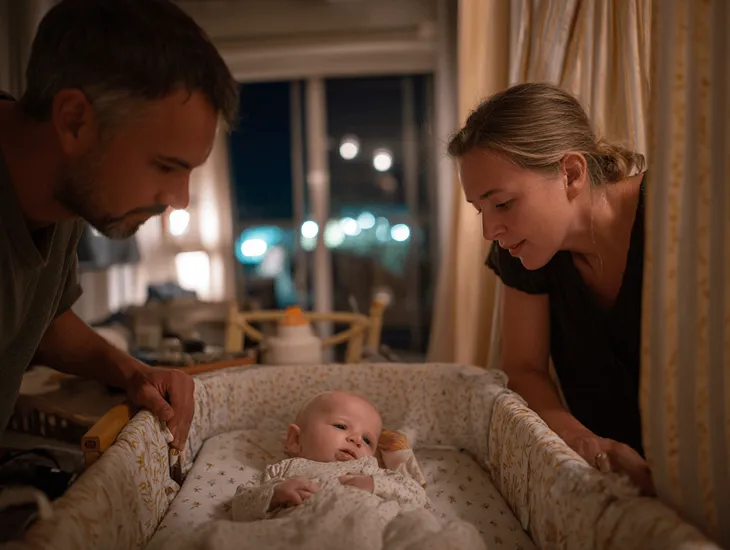
Villa layout matters too. Open-plan living, thin curtains, nearby pools and scooters outside all affect baby sleep in Bali. A few small changes to cot position, light and sound can make a big difference by night three.
This guide walks through the main stress points for baby sleep in Bali in 2026—time zones, heat, villas, naps and red flags—so you can enjoy the island and still protect safe, restful nights.
Table of Contents
Why Baby Sleep in Bali Feels So Different on Arrival
After a long flight, baby sleep in Bali is hit by three forces at once: jet lag, climate shock and a brand-new room. Even robust sleepers can suddenly wake every hour, cling more or fight naps.
In 2026, most Bali arrivals hit the island in the afternoon or late evening. That means your baby’s body clock may think it is still morning or night, confusing their hunger and sleep cues for several days.
Noise and light patterns are different too. Roosters, scooters, temple bells and thinner curtains all shape baby sleep in Bali. Treat the first 48–72 hours as “adjustment mode” rather than a failed holiday.
Time-Zone Shifts and Baby Sleep in Bali After Long Flights
For many families, baby sleep in Bali starts with jet lag. Roughly, one day of adjustment is needed per hour of time difference, though babies who nap well may adapt faster if you guide their rhythm.
Start shifting your baby’s schedule 15–30 minutes a day toward Bali time before you fly. Even a small shift means baby sleep in Bali feels less extreme than jumping a full six or seven hours in one go.
On arrival, treat local day as day. Get sunlight, gentle movement and feeds on Bali time, then cap long naps. That way baby sleep in Bali builds enough “sleep pressure” to push toward an earlier local bedtime.
Heat, Humidity and Safe Baby Sleep in Bali Villas at Night
Hot nights are one of the biggest shocks for baby sleep in Bali. High temperatures and humidity make it harder to fall and stay asleep and increase the risk of dangerous overheating for very young babies.
Aim to keep baby sleep in Bali as cool and light as possible. Use AC or a fan to reduce room temperature, dress your baby in a single breathable layer and skip heavy blankets or thick swaddles.
If you worry about the heat, check a trusted guide like this safe hot-weather baby sleep advice. You can adapt its principles to baby sleep in Bali by balancing cool air, light clothing and careful monitoring.
Villa Setup and Gear for Safer Baby Sleep in Bali Trips
A big part of safe baby sleep in Bali is choosing where and how your baby sleeps. A firm cot or travel cot is always safer than leaving a dozing baby on a sofa, daybed or swinging chair near the pool.
Before bedtime, set up the room so baby sleep in Bali is protected from insects and distractions. Use a tightly fitted mosquito net, tuck away cords and loose fabric, and keep fans circulating air rather than blowing directly.
Think ahead about overnight needs. For calmer baby sleep in Bali, prepare a small night-light, spare muslins, water for parents and nappies so you are not stumbling around bright lights at 2am after a wake.
Real Story — Baby Sleep in Bali After a 16-Hour Europe Flight
When Emma flew from Amsterdam with nine-month-old Noah, she assumed baby sleep in Bali would “sort itself out”. Night one in Canggu, he woke six times, sticky with sweat and confused by scooter noise.
On day two, Emma shifted her expectations. She cut naps shorter, used a fan, cooled the room before bed and moved Noah’s cot away from the sliding doors. Slowly, baby sleep in Bali improved to two wakes a night.
By night four, Noah’s longest stretch was six hours. Baby sleep in Bali was not perfect, but Emma felt confident: the mix of realistic timelines, heat management and a calmer routine had turned full panic into a manageable bump.
Managing Naps and Routines for Baby Sleep in Bali in 2026
Good naps support better baby sleep in Bali, but they do not need to look exactly like home. In the first few days, protect one solid cot nap in a dark, cool room and let other naps happen in the carrier or stroller.
Instead of fighting for a late morning, accept that baby sleep in Bali may settle into earlier starts. Many babies naturally shift to 05.30–06.00 wake-ups; respond with earlier bedtimes rather than endless resettling.
In 2026, many parents ask nannies to support baby sleep in Bali by managing daytime naps while adults rest. A consistent wind-down—dim lights, short song, cuddle—matters more than watching the clock minute.
When Baby Sleep in Bali Signals Heat Stress or Illness Risk
Most changes in baby sleep in Bali are harmless, but some are warning signs. Laboured breathing, high fever, mottled skin, poor feeding or very few wet nappies can signal dehydration or infection.
If baby sleep in Bali is suddenly much worse alongside these symptoms, babies should be checked by a doctor. Trust your instincts; exhausted parents still know when something “feels wrong”.
Many families keep a list of Bali paediatric clinic contacts saved in their phones before flying. That way, disrupted baby sleep in Bali plus worrying signs can be assessed quickly, day or night.
Checklist to Prepare for Baby Sleep in Bali Before You Fly
The easiest baby sleep in Bali is built before you board. Start by gathering key items: lightweight sleepwear, low-TOG sleep sack, portable blackout, white-noise option and a small digital thermometer.
Plan villas with safe spaces for baby sleep in Bali: lockable pool doors, firm cot, usable mosquito nets and working AC. Confirm these details with your host or villa manager, not just from photos.
Finally, talk through baby sleep in Bali as a team. Decide who handles first and second wakes, how you will use naps for adult rest and whether you will involve a local baby nanny for support on longer stays.
FAQ’s About Baby Sleep in Bali for Visiting Families
Q: How long does it take for baby sleep in Bali to feel normal?
A: Expect baby sleep in Bali to feel off for three to seven days, depending on time-zone shift and your baby’s age. Gentle schedule shifts, light exposure and a calm routine usually speed things up.
Q: What room temperature is safe for baby sleep in Bali at night?
A: Aim for a comfortably cool room, not cold. For baby sleep in Bali, most families use AC or a fan plus one light layer of clothing. Your baby’s chest should feel warm, not hot or sweaty.
Q: Can my baby safely nap in a carrier or stroller in Bali?
A: Contact naps are normal, but for the safest baby sleep in Bali, try to protect at least one cot nap a day in a cool, dark room. Always avoid unsupervised sleep in prams on balconies or near pools.
Q: Should I hire a nanny to help with baby sleep in Bali?
A: A trusted nanny can make baby sleep in Bali more manageable by handling naps and early mornings while parents rest. Check agencies that focus on baby care and verify their training before booking.
Q: How do I know if my baby is overheating at night in Bali?
A: During baby sleep in Bali, feel the chest and back of the neck. If they are very hot, flushed or sweaty, remove a layer and cool the room. Persistent fever or lethargy warrants medical review.
Q: Where can I learn more about safe baby sleep while travelling?
A: Look for global safe-sleep organisations and paediatric travel resources that you trust. Many families also read a dedicated baby travel sleep guide before planning baby sleep in Bali and other tropical trips.

