
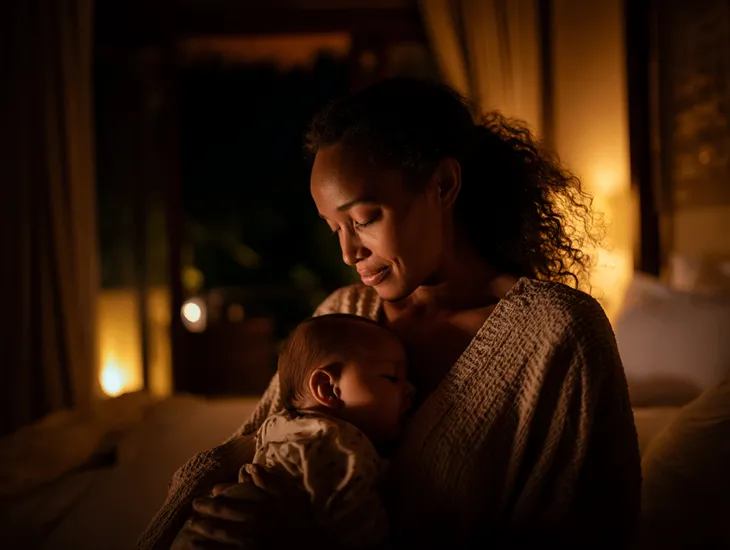
Baby Sleep Training in Bali: 6 Tips to Help Your Baby Sleep Through the Night
Exhaustion easily overshadows joy when a young infant struggles to rest properly. The intense humidity and unfamiliar surroundings can severely disrupt natural rest patterns during your long-awaited tropical getaway in Indonesia.
Many families quickly realize that adjusting to this tropical environment is completely overwhelming. You might find yourself frantically pacing the floor at midnight, desperately trying to soothe a crying infant alone.
Attempting to build a solid sleep schedule without any local knowledge adds immense frustration. Dealing with heat while terribly sleep-deprived creates a vicious cycle of stress for new parents navigating parenthood.
Implementing a perfectly safe approach to Baby Sleep Training in Bali provides the ultimate solution. It strongly empowers you to build healthy resting habits that suit the unique demands of this island.
You must consistently rely on professional medical guidance from the Indonesian Pediatric Society for absolute safety. Following these proven global standards protects your child from serious health risks and promotes safe habits.
This comprehensive guide provides highly actionable advice specifically designed for exhausted visiting parents. We deeply explore proven techniques, necessary environmental adjustments, and strict caregiver screening to help your entire family rest peacefully.
Table of Contents
Tip 1: Prioritize Safe Sleep Rules Before Starting
You must intentionally establish an absolutely secure resting environment before ever attempting any behavioral changes. The medical foundation for safe infant sleep relies on strict adherence to proven international safety protocols.
Always place your infant flat on their back for every sleep without exception. This critical sleeping position significantly reduces severe risks and is heavily endorsed by leading pediatric authorities worldwide consistently.
Always ensure the designated crib contains only a incredibly firm, flat mattress tightly covered with a fitted sheet. You must completely remove all decorative pillows, loose blankets, soft toys, and thick bumpers.
Room-sharing without bed-sharing is highly recommended by medical professionals for at least the first six crucial developmental months. Keeping the dedicated crib inside your bedroom actively maintains the absolute safest independent resting space.
Tip 2: Differentiate Day and Night in Indonesia
Helping your growing infant distinguish clearly between daytime and nighttime is a remarkably crucial early developmental step. You should intentionally expose them to bright, natural sunlight and active play during their waking hours.
Keep your evening interactions calm, dark, and boring to clearly signal that it is time to rest. When actively responding to midnight cries, always use very dim lighting and speak in hushed tones.
This incredibly clear daily contrast gradually organizes their natural circadian rhythms effectively and safely over time. Accurately differentiating these specific periods naturally encourages much longer stretches of completely uninterrupted rest as they mature.
Actively avoid the strong temptation to turn on bright television screens or loud mobile devices during quiet night feedings. Maintaining a beautifully serene atmosphere effectively teaches your baby that late hours are for slumber.
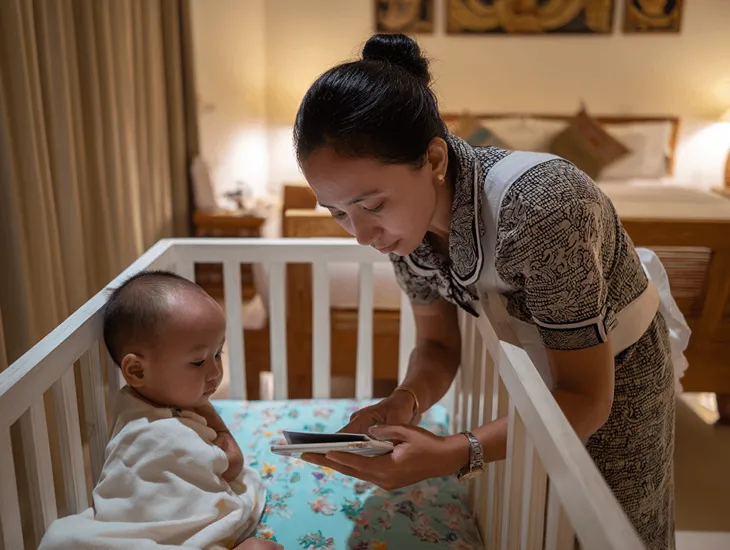
Tip 3: Adapt to the Tropical Climate Safely
The intense equatorial heat often acts as a major disruptor for an infant’s overall physical comfort. Overheating is a hazard, so adjusting for heat is essential for effective Baby Sleep Training in Bali.
Always dress your resting infant in incredibly light, highly breathable cotton layers or specialized wearable sleep sacks. These fantastic, breathable garments keep them wonderfully cozy without the incredibly dangerous risk of loose fabric coverage.
Strategically utilize quiet air conditioning or overhead ceiling fans to keep the nursery comfortably cool throughout the entire night. Ensure that the cold airflow never blows directly onto the baby under any circumstances whatsoever.
Frequently and carefully check their actual physical body temperature by gently feeling the back of their small, delicate neck. If they feel overly hot, you must immediately adjust the room climate settings to cool them.
Tip 4: Establish Consistent Evening Bedtime Routines
Predictability remains an incredibly powerful tool when actively shaping a growing infant’s daily evening behavior and sleep patterns. A highly predictable sequence of calming events helps their brain clearly recognize that overnight rest is imminent.
Begin the evening safely with a wonderfully soothing bath or a gentle wipe-down to slightly lower their body temperature. Follow this relaxing step directly with a quiet feed, a brief cuddle, and a sleep sack.
Always intentionally place your infant directly into their highly secure crib while they are visibly drowsy but still awake. This essential step successfully teaches them to fall asleep completely independently and consistently every single night.
Actively maintain this exact sequence every single night without making any sudden, highly disruptive behavioral changes to their routine. Complete consistency provides a deep sense of security, allowing the infant to peacefully surrender to sleep.
Tip 5: Adjust Expectations for Total Rest Needs
Parents often mistakenly chase an incredibly unrealistic goal of twelve uninterrupted hours entirely too early in their infant’s life. Medical guidelines clearly indicate that frequent waking during the first few months is completely normal physically.
Deeply understand that total daily sleep needs vary greatly depending on their exact developmental age currently. A newborn might need seventeen total hours, while an older infant requires slightly less overall during a twenty-four-hour period.
Focus on gradually extending resting windows rather than forcing strict schedules upon arrival. Supporting their developmental timeline effectively ensures that your gentle approach to Baby Sleep Training in Bali remains completely stress-free always.
Always remember that unexpected teething, minor illness, and sudden developmental leaps will inevitably disrupt even the absolute best routines temporarily. Responding with deep, profound patience during these brief regressions is crucial for overall long-term success.
Tip 6: Real Story: Manage Caregivers for Baby Sleep Training in Bali
It was 3 AM in Canggu, and Carla was awake again. The 37-year-old Portuguese woman from Coimbra was spending her maternity leave in Indonesia starting from mid-2024, but the tropical heat ruined everything.
Desperate for rest, she brought in a local night nanny to help. That immense relief vanished instantly when Carla discovered the hired caregiver actively practicing highly unsafe bed-sharing with her completely exhausted newborn child.
That terrifying midnight moment was a massive wake-up call. Establishing healthy habits required incredibly strict enforcement of global safe-sleep rules, not just an extra pair of hands working the long overnight shift for her family.
You must demand absolute, explicit adherence to medical safety rules from any hired external caregiver here. Provide detailed written instructions regarding mandatory back-sleeping to ensure completely safe and effective sleep coaching is executed perfectly always.
Managing Common Risks and Unsafe Shortcuts
Severe exhaustion often tempts incredibly desperate parents to try dangerous alternative methods that compromise basic infant safety. Allowing a fragile infant to rest on their stomach or side remains strictly prohibited medically by all pediatricians.
Never use inclined sleepers, infant car seats, or soft lounging pillows for routine overnight resting periods whatsoever. These specific consumer products can dangerously restrict a small infant’s airway, leading to severe breathing complications almost instantly.
Actively avoiding these incredibly risky shortcuts is absolutely the most vital part of the entire behavioral process. True, lasting success heavily relies on immense parental patience and an unwavering, permanent commitment to complete overnight safety.
Always securely fasten properly fitted mosquito nets safely above the crib without leaving any sagging fabric anywhere. A dangerously loose net creates a terrible strangulation hazard, ruining the perfectly secure sleeping environment you carefully built.
When to Consider Professional Sleep Consultants
Some struggling families eventually need highly specialized, professional guidance when gentle behavioral methods fail to yield positive results. A knowledgeable consultant can successfully provide heavily customized strategies tailored perfectly to your completely unique family dynamics.
Ensure any chosen expert you hire fully respects internationally recognized medical safety guidelines constantly and consistently. Conducting your own incredibly thorough background check remains absolutely essential since no official local certification program currently exists here.
Remember that truly successful Baby Sleep Training in Bali requires your highly active, ongoing daily participation. Even with professional help, you remain fully responsible for consistently enforcing these incredibly healthy, perfectly safe routines every night.
Ask potential consultants detailed questions regarding their specific behavioral methods and previous emergency response training locally. True professionals will clearly prioritize your precious child’s safety above all else during your initial private, extensive daytime consultations.
FAQs about Infant Sleep
Q: What is the safest sleeping position for an infant?
A: Always place your baby completely flat on their back for every single nap and night sleep.
Q: Are soft blankets safe for newborns?
A: No, loose blankets pose a severe suffocation risk; always use a fitted wearable sleep sack instead.
Q: How do I keep my baby cool at night?
A: Use fans or AC, and dress them in light, breathable cotton layers to prevent overheating.
Q: Can I share a bed with my infant?
A: Medical guidelines strongly advise against bed-sharing; room-sharing with a separate crib is safer.
Q: When do babies normally sleep through the night?
A: Frequent waking is normal for newborns; longer stretches safely begin around six months.

