


Babysitter for a Special Needs Child: What Parents Expect
Finding a babysitter for a special needs child requires identifying a unique set of advanced skills. Parents need a caregiver with specific behavioral training and medical awareness. Standard services often lack these essential qualifications.
An untrained caregiver increases family stress significantly. Medical emergencies or sensory meltdowns require immediate, correct responses. An unprepared individual puts a vulnerable child at serious physical risk during daily activities and transitions.
Families face exhaustion without professional respite support. The daily demands of complex therapy routines often exhaust parents. You need reliable help to maintain your physical and mental health while ensuring your child’s safety.
Professional services follow strict vetting procedures to mitigate risk. They conduct thorough background checks and verify specialized training. You can confirm basic health standards through official national medical guidelines to ensure high-quality care.
A qualified caregiver understands various physical and cognitive disabilities. They handle daily routines with total confidence. This allows parents to step away and work without constant worry regarding their child’s immediate personal safety.
Our service connects you with verified professionals. We handle the complex screening process for you. You secure safe, structured childcare tailored to your family’s exact requirements and your child’s specific daily schedule.
Table of Contents
Screening Standards for Specialized Care in Bali
Parents must demand rigorous background checks before hiring. This includes verifying legal identities and reviewing comprehensive employment histories. You should call past employers directly to confirm their specific experience with high-needs childcare.
A babysitter for a special needs child requires higher vetting standards than typical sitters. Red flags include missing references or inconsistent work histories. You must avoid candidates who refuse detailed background screenings.
Agencies conduct structured interviews and in-person assessments. They confirm past experience with specific diagnoses such as autism or ADHD. This ensures the caregiver understands the nuances of various developmental delays fully.
Do not accept generic claims about loving children. Specialized care demands proven technical skills. Ask for clear examples of how the candidate handled past medical emergencies or behavioral meltdowns successfully.
Reliable platforms allow candidates to upload verified certificates. Parents should filter specifically for relevant medical training and certifications. This streamlines the search for qualified professionals capable of providing high-level support.
Professional screening removes the dangerous guesswork from hiring. You receive candidates who match your exact safety criteria. This structured approach guarantees a higher standard of protection and care for your entire family.
Essential Qualifications and Certifications
Every caregiver in this field must hold valid first aid certification. They must also maintain current CPR training specifically for pediatric cases. These basic medical qualifications save lives during unexpected physical emergencies.
Specific training for behavioral management is highly valuable for safety. A babysitter for a special needs child must understand how to de-escalate meltdowns. They must identify specific sensory triggers to prevent distress.
Physical disability support requires knowledge of proper lifting techniques. The professional must know how to transfer a child safely. Incorrect techniques cause severe injuries to both the child and the caregiver involved.
Ask candidates about their familiarity with adaptive communication devices. Non-verbal children often use picture cards or speech-generating tablets. A qualified professional integrates these essential tools into daily routines to reduce frustration.
Verify all certificates with the issuing organizations directly. Fraudulent documents present a severe safety risk to your family. Strict verification protects your child from dangerously unqualified individuals entering your home environment.
Ongoing education is crucial for specialized caregivers. They should attend updated workshops on pediatric care and neurodiversity regularly. This dedication shows a strong commitment to professional development and child safety.
Step-by-Step Professional Hiring Process
Define the care role with extreme detail before interviewing. Clarify the medical diagnosis and the behavioral profile of your child. Outline exactly what the professional will do during their shift.
Create a clear list of non-negotiable requirements for the position. Mention tasks like feeding tube management or therapy support. A babysitter for a special needs child must agree to these specific duties.
Conduct initial screenings through phone calls or video chats. Ask direct questions about their relevant experience and certifications. Filter out candidates who lack an explicit background in specialized care immediately.
Perform reference checks before arranging an in-person meeting. Previous employers provide honest insights about reliability and competence. Ask about the specific requirements of the children they have cared for in the past.
Conduct an in-person interview using situational questions. Ask how they handle a child in a high-stress sensory crisis. Require a paid trial period to observe their real-time interaction and safety awareness.
Setting Realistic Workload and Safety Expectations
Specialized childcare involves complex and demanding tasks. The physical and emotional workload is significantly higher than standard care. You must offer compensation that reflects these advanced and difficult requirements and safety standards.
Start with shorter shifts during the initial transition phase. Both the child and the professional need time to adapt to each other. This prevents overwhelm and builds a strong foundation of trust.
Budget for extra orientation time during the first week. A babysitter for a special needs child needs to learn specific household routines. Paid training days ensure a smoother and safer long-term transition.
Clearly define break times and rest periods for the caregiver. Caregiver burnout is a real risk in high-needs environments. Scheduled downtime maintains the high quality of care provided to your child.
Be realistic about what one person can achieve during a shift. Do not expect them to act as a licensed therapist. They provide safe supervision and essential daily routine support for your child.
Real Story: Navigating the Search for Expert Care in Bali
Michael sat in his living room, watching the stress of the day trigger his son’s third sensory meltdown. He had his business plans ready, but he lacked a caregiver capable of de-escalating the crisis.
The primary administrative obstacle was the lack of localized vetting for specialized caregivers. Michael discovered that standard agencies provided general sitters who lacked training in behavioral de-escalation. Without a professional, his son faced risks.
He partnered with a specialized screening service to audit candidate certifications. The agency matched him with a professional who implemented a structured visual schedule and sensory-safe routines. Michael successfully stabilized his home.
This professional intervention allowed the family to navigate daily challenges. The caregiver monitored triggers while Michael managed his business growth. Proper matching transformed a high-stress household into a functional and safe residence.
Michael now maintains a consistent care schedule with his son. He no longer worries about unmanaged sensory crises during his work hours. Accessing a vetted Pediatric respite specialist provided a necessary foundation.
Creating a Medically Safe Home Environment
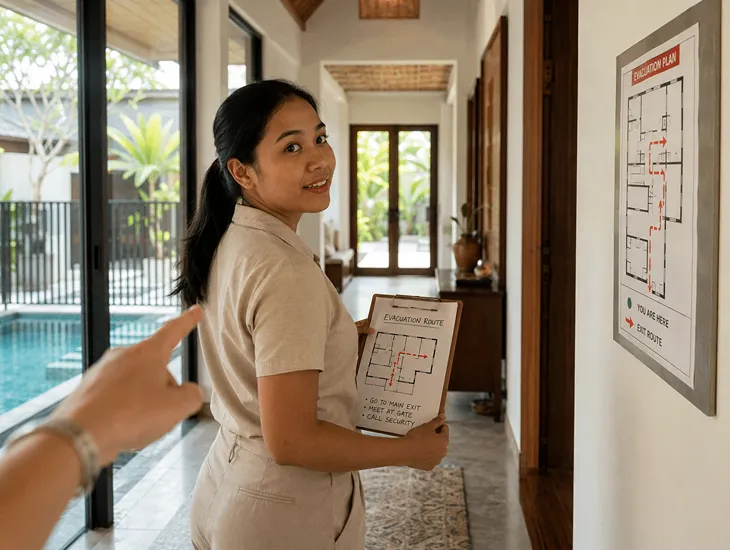
Parents must conduct a full safety review of the house. Show the hired professional all escape routes and emergency exits. Point out where you store critical medical supplies and emergency equipment.
Explain the operation of any specialized safety equipment you use. This includes secure locks or monitoring systems. A support professional must understand these security and medical systems perfectly to ensure safety.
Provide a written and highly accessible emergency care plan. List all medications, exact dosages, and administration times clearly. Include exact directions to the nearest preferred local hospital and doctor contacts.
Secure all dangerous items and potential sensory triggers carefully. Lock away cleaning supplies and sharp objects immediately. Create a designated safe space for the child to retreat safely during a crisis.
Test communication protocols before leaving the house. The professional must know exactly how to reach you instantly. Establish a reliable backup contact person for severe medical or behavioral emergencies.
Review safety protocols monthly to maintain high standards of care. Update the medication list whenever prescriptions change. Consistent safety reviews prevent dangerous accidents from occurring inside your home environment.
Age-Appropriate Activities for Developmental Support
Activities must match the true developmental level of the child. Do not focus strictly on biological age markers. Prioritize safety and pure enjoyment over complex educational or academic goals.
A Pediatric respite specialist should utilize gentle sensory play. Quiet reading and basic drawing exercises are excellent options. Structured outdoor time in safe, fenced environments reduces anxiety effectively.
Professionals must follow established visual schedules strictly to maintain order. Using picture cards helps children understand upcoming transitions. Predictability prevents behavioral meltdowns during the afternoon or early evening hours.
The professional should practice agreed self-care skills regularly with the child. Hand-washing and packing bags build necessary functional independence. They must use the exact prompts established by parents or therapists.
Do not push aggressive clinical therapy goals during basic childcare shifts. The primary objective is regulation and safe supervision. Coordination with professional therapists prevents confusing or conflicting instructional methods for the child.
Overcoming Communication Barriers in Caregiving
Cultural or language misunderstandings occur frequently in international childcare settings. Professionals may nod to show respect. However, this polite agreement does not always equal actual comprehension of complex medical instructions.
Parents must verify genuine understanding of all medical and safety instructions. Ask the professional to repeat complex tasks in their own words. Visual instructions eliminate dangerous language barriers and improve compliance.
Stigma around disability still exists in many different cultures. You must discuss the sitter’s personal attitudes toward specialized needs openly. Establish strict rules regarding respectful language and full inclusion.
A reliable professional communicates openly about daily challenges and successes. They report behavioral incidents without fear of reprimand. This absolute honesty is crucial for the overall safety of the child involved.
Our service provides rigorous training for all candidates. They learn how to interact with parents clearly and professionally. This eliminates dangerous guesswork in specialized and sensitive childcare roles within your home.
FAQs about Babysitter for a Special Needs Child
Q: What certifications should the professional have?
A: They must hold valid first aid and CPR certifications, plus documented behavioral management training.
Q: How do I verify a professional’s background?
A: Contact previous employers directly and request official criminal record checks where available in your area.
Q: Should I pay more for specialized care?
A: Yes. The complex physical and emotional workload requires higher compensation than standard childcare rates.
Q: How long should the paid trial period last?
A: A paid trial period should last exactly three to five days with parents present.
Q: Can the professional perform medical therapies?
A: No. Professionals support daily routines but do not replace licensed medical or physical therapists.
Q: What goes into an emergency plan?
A: Include medication dosages, allergy lists, doctor contacts, and precise directions to the nearest hospital.

