

Best Baking and Cooking Classes for Kids in Bali
Expat families often struggle to find engaging activities for children. Keeping young minds occupied during long school holidays is a challenge. Parents worry about excessive screen time in the villa.
Without structured programs, boredom leads to restlessness. Children miss out on cultural experiences while staying indoors. You want them to learn skills rather than consume entertainment during their stay.
Finding a safe environment for hands-on learning is difficult. Many kitchens lack the safety equipment required for young students. You fear accidents involving sharp tools or hot surfaces in Indonesia.
Many parents also look for structured holiday workshops that combine cultural learning with practical skills. Cooking classes kids in Bali often introduce traditional ingredients like coconut, pandan, and turmeric. This makes the experience educational as well as entertaining for visiting families.
Master the official food safety guidelines before enrolling your children. The island offers professional culinary programs designed for youth. These venues provide supervision and age-appropriate equipment for all students.
Your children can explore creativity while learning about food safety. Identifying the best cooking classes kids in Bali simplifies your holiday planning. These locations offer shaded zones and certified supervision.
This guide reviews top studios and camps for 2026. Give your child a productive afternoon with a vetted culinary program. Enroll your child in a structured culinary program this year.
Table of Contents
Culinary Pastry School Programs in Tabanan, Bali
The Culinary Pastry School in Bali offers structured holiday camps. These five-day programs are for children aged eight to eighteen. Students learn teamwork alongside culinary techniques in a professional setting.
Classes are capped at fifteen participants to ensure safety. Instructors guide students through baking breads and decorating pastries. This low ratio allows for individual attention during complex tasks in the kitchen.
The curriculum includes educational trips to local farms. Kids learn where ingredients come from before they cook. This approach teaches respect for food and nature within the Indonesian archipelago.
Eleniko Kids Training Center Seminyak
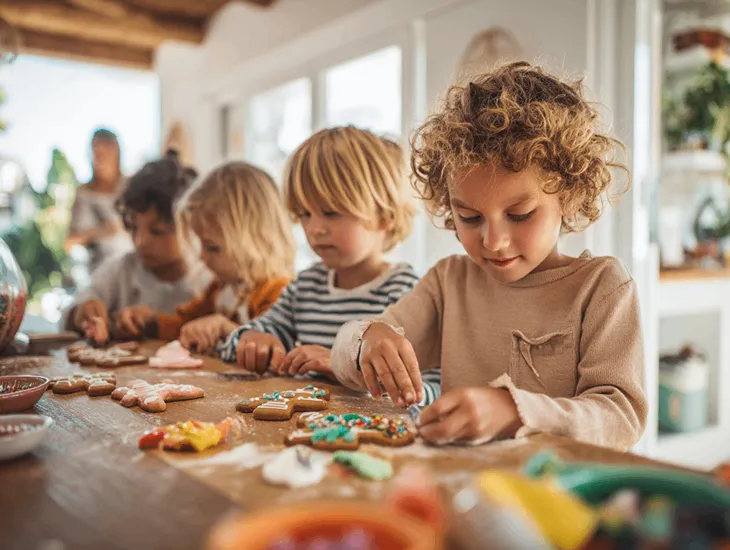
Eleniko offers sessions for children aged three to eight. The focus is on activities like decorating gingerbread cookies. It is an introduction to the kitchen environment for young children.
The environment is designed for younger children. Utensils are safe and easy to grip for small hands. Parents can relax knowing the risks are minimized during professional kitchen activities.
Classes are short to match the attention span of toddlers. The light structure keeps the atmosphere joyful. It is a social activity for young children in the Seminyak area.
Sanur Cooking Class Experiences
Sanur Cooking Class offers private sessions for small groups. You can book a class for up to six children. This intimacy ensures a focused and safe learning environment for everyone.
They utilize induction plates to prevent burns. This technology keeps the cooking surface cool to the touch. It is a critical safety feature for young beginners during their first lesson.
Instructors emphasize hygiene and proper food handling. Kids learn to wash ingredients and keep their stations clean. These habits are essential for any chef working in a professional kitchen.
Hotel-Based Programs in Jimbaran and Ubud, Bali
AYANA Resort in Jimbaran hosts classes for older children. Kids aged eight and above can learn traditional dishes. Professional chefs guide them through intricate spice blends used in Indonesia.
Maya Ubud offers tailored menus for different age groups. Children under six engage in simple food prep. Older kids take on recipes involving cooking heat in a secure environment.
These venues provide a professional setting for learning. Parents can enjoy resort facilities while kids cook. It creates a balanced itinerary for the family during their stay in Bali.
Hotel-based programs often include farm-to-table demonstrations. Children may visit herb gardens before returning to the kitchen. Learning about spice origins and local produce strengthens their cultural awareness while maintaining strong supervision standards.
Real Story: Elsa’s Culinary Activity
Elsa (35, Australia) lived in Canggu and needed an indoor activity for her two children during the monsoon. She found that long periods of rain led to restlessness and excessive screen time. She sought a kitchen-based program that met high safety standards.
Finding a safe culinary environment in Canggu became a challenge. Most local kitchens lacked induction stoves or child-sized tools. Elsa contacted a professional coordinator to find cooking classes kids in Bali.
The coordinator recommended a private session in Sanur. The kids learned to make pasta and sauce from scratch. This experience occupied them for hours and improved their relationship with vegetables.
Age Appropriate Kitchen Skills 2026
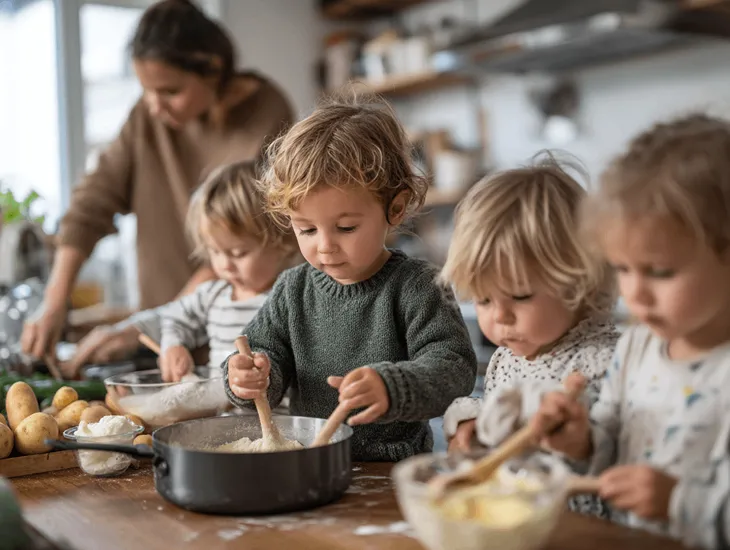
Toddlers aged three to five focus on sensory tasks. They wash vegetables and mix batter with spoons. These actions develop fine motor skills safely while following a daily program.
Children aged six to eight can follow simple recipes. They learn to measure ingredients and cut soft foods. Supervision is required for any cutting tasks in professional settings.
Kids aged eight to ten can handle heat sources. They learn to stir pots and flip pancakes under watch. This stage builds independence in the kitchen for young students.
Safety and Hygiene Standards
Hygiene is the priority in any kitchen. Reputable classes ensure all students wash hands frequently. This prevents contamination and spreads good health habits among the young chefs in Indonesia.
Fresh ingredients are essential for safety. Avoid classes that use pre-cooked food. Cooking from scratch reduces the risk of foodborne illness while maintaining high professional standards for your family.
Check the condition of the kitchen before booking. Clean floors and sanitized surfaces are mandatory. Induction stoves are preferred for younger students to reduce burn risks during their culinary activity.
Professional studios also separate raw and cooked ingredients to prevent cross-contamination. Color-coded chopping boards are commonly used in structured programs. These visible systems reassure parents that international hygiene standards are followed consistently.
Vetting Your Cooking Instructor in Bali
Ask about the instructor’s experience with children. Teaching kids requires patience and specific communication skills. Ensure they are accustomed to managing young groups in a professional kitchen environment.
Check the student-to-teacher ratio in the class. Lower ratios ensure better supervision. A maximum of fifteen students is the standard benchmark for school-age programs.
Verify if the kitchen can handle dietary restrictions. Professional schools have protocols for nut or dairy allergies. Read reviews from other parents before committing to a specific culinary program.
It is helpful to ask whether the instructor holds culinary certifications or hospitality training. Experienced chefs understand both kitchen safety and child psychology. This combination ensures the class remains structured, educational, and calm for young participants.
FAQs Cooking Classes in Bali for Kids
Q: What is the minimum age for cooking classes?
A: Most studios accept children as young as three for sensory tasks.
Q: Are the ingredients safe for children to eat?
A: Yes. Reputable schools use fresh ingredients that meet local health standards.
Q: Do parents need to stay during the class?
A: It depends on the venue and the child’s age. Check during booking.
Q: Can classes accommodate food allergies?
A: Most professional schools adjust recipes for allergies.
Q: How long do the cooking sessions last?
A: Classes typically range from two hours to a full day.
Q: Is transportation provided to the schools?
A: Some packages include transport. Check with the provider for details.