
Review Us
Zoo and wildlife style parks in Bali 2026 – ethics, family safety and child-friendly choices
author

Choosing Ethical Zoo and Wildlife Parks in Bali in 2026

Families in Bali often add zoo and wildlife parks in Bali to their must-do lists. Yet behind the cute photos, many attractions still face harsh criticism for cramped cages, chains and forced animal tricks. Parents now need a different kind of checklist.

Global campaigns on ethical wildlife tourism in Bali have shifted how visitors think. The question is no longer only “Will my kids enjoy this?”, but “Is this animal suffering so we can enjoy it?”

Heat, crowds and excited children can make on-the-spot decisions hard. When ticket staff push “elephant selfies” or “animal encounters”, it is easy to say yes before you have thought through what that means for welfare and safety.

At the same time, not every venue is equally problematic. Some zoo and wildlife parks in Bali offer calmer, observation-focused experiences, butterfly gardens, and educational spaces where kids learn instead of poke and pose.

Your job in 2026 is to filter zoo and wildlife parks in Bali into three buckets: safer observation days, “only if you avoid shows and rides”, and clear no-go options. This guide walks you through that process step by step.

By the end, you will know which zoo and wildlife parks in Bali work for strollers and nannies, which to skip, and how to explain your choices to children who may still want that problematic elephant hug.

Why Zoo and Wildlife Parks in Bali Are a Tough Choice

For many families, zoos and wildlife parks in Bali sound like easy wins: animals, photos, air-con cafés and shuttle buses. The hard part comes when you realise not all venues treat animals or guests with the same care.

Some zoos and wildlife parks in Bali mix gentle experiences with shows, rides and close-contact photo corners. Tickets and marketing often push these extras as “must try”, leaving parents to say no repeatedly in front of excited kids.

Welfare reports show over a thousand animals in Bali and Lombok kept in poor conditions. That means you cannot assume any zoo and wildlife parks in Bali are ethical just because they look pretty or use words like “sanctuary” on their brochures.

Key Zoo and Wildlife Parks in Bali for 2026 Family Trips

Zoo and wildlife style parks in Bali 2026 – main venues, logistics and first-look family pros and cons

The main zoo and wildlife parks in Bali for families are Bali Zoo and Bali Safari & Marine Park. Both sit in Gianyar, within driving distance of South Bali, and package animals with cafés, kids’ areas and bundle tickets.

Bali Zoo offers compact paths, stroller-friendly routes and play zones that make it workable with toddlers. For ethical use of zoos and wildlife parks in Bali, families should treat it as a place to observe animals, not to book breakfast selfies or handling sessions.

Bali Safari wraps bus and jeep rides, shows and animal areas into a larger complex. Families who still choose this among zoo and wildlife parks in Bali should skip all rides and performances, focusing only on drive-through viewing and quiet observation.
How to Judge Zoo and Wildlife Parks in Bali for Ethics

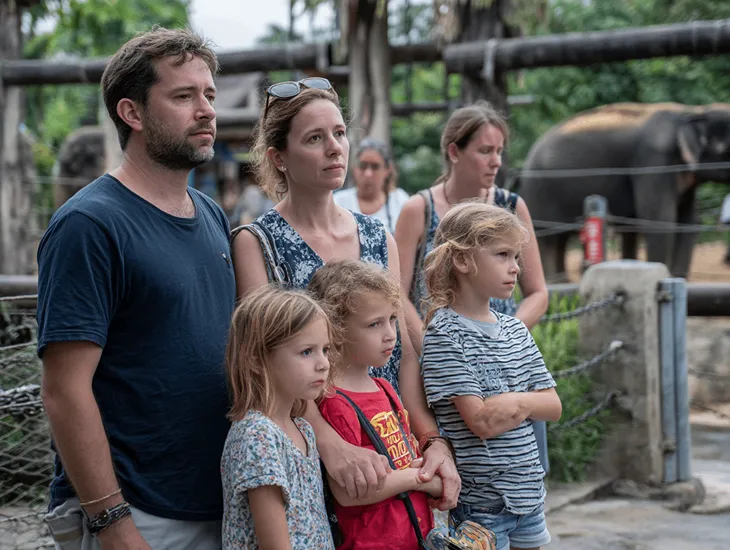
When you arrive at the zoo and wildlife parks in Bali, notice the basics first: space, shade, water, and whether animals can choose to hide. Cramped cages, constant loud music and no retreat spaces are bad signs.

Ethical zoos and wildlife parks in Bali do not need you to sit on, cuddle or bathe wild animals. If an animal is chained, forced into shows, or lined up all day for selfies, your family’s money is supporting ongoing suffering.

Use simple checks: is there education about species and conservation, or is the focus only on tricks and photos? Guides with real knowledge, and clear rules against touching, mark better choices among zoo and wildlife parks in Bali than flashy posters or mascots.

Real Story — Visiting Zoo and Wildlife Parks in Bali With Kids

On a 2026 holiday, Sarah and her partner took their six-year-old to one of the bigger zoos and wildlife parks in Bali. At the gate, staff pushed elephant rides and “animal selfies” as limited-time offers.

They had prepared as a family. Before visiting the zoo and wildlife parks in Bali, they talked about how some animals are unhappy when forced into tricks. Together, they agreed in advance not to ride or hug wild animals on this trip.

Inside, they chose quiet enclosures and a butterfly garden, skipping the shows. Their child still loved the visit, leaving with drawings and species facts instead of photos on caged animals. The day proved that zoos and wildlife parks in Bali can be fun without cruelty.

Why Elephant and Dolphin Shows in Bali Are Not Family Friendly

Zoo and wildlife style parks in Bali 2026 – simple family filters for welfare, safety and value decisions

Among all zoo and wildlife parks in Bali, elephant and dolphin venues attract the strongest criticism. Chains, small pools, concrete floors and long work hours damage animals physically and psychologically.

Families sometimes assume elephant bathing or “gentle” bareback rides are kind options in zoos and wildlife parks in Bali if marketing says “rescued”. In reality, these interactions still rely on control, training tools and unnatural poses for photos.

Dolphin shows involve small pools, constant noise and repetitive tricks. For 2026, the safest rule is simple: zoo and wildlife parks in Bali that offer rides, baths or dolphin shows should be treated as off-limits, no matter how heavily they are promoted.

Picking Bird, Reptile and Butterfly Parks in Bali for Children

Some zoos and wildlife parks in Bali feel more like gardens and learning centres than zoos. Butterfly parks near Ubud and Tabanan, plus Bali Bird Park and Bali Reptile Park, can offer calmer, more educational visits.

In these zoos and wildlife parks in Bali, priorities are space, shelter and how often animals are passed from child to child. Short, supervised interactions are less worrying than endless queues for selfie sessions under bright lights.

Parents should still skip staged photo corners where birds or reptiles are held purely for pictures. Choose zoo and wildlife parks in Bali where staff focus on life cycles, habitats and conservation instead of accessory-style animal handling.

Planning a Safe Day at Zoo and Wildlife Parks in Bali in 2026

Planning your day at the zoo and wildlife parks in Bali can turn even a decent venue into a meltdown. Heat, queuing and upselling create stress for kids, parents and nannies alike.

Aim for early starts to reach zoo and wildlife parks in Bali by opening time. Bring hats, sunscreen, refillable bottles and snacks, plus wet wipes and small toys for queues. Agree in advance on home time and stick to it.

If you are in Bali long-term, arrange legal stay first through a trusted visa agency in Bali. That way, when you plan repeat trips to zoos and wildlife parks in Bali, you are not juggling expiring visas at the same time.

Ethical Checklist for Zoo and Wildlife Parks in Bali Visits

Before buying tickets for zoo and wildlife parks in Bali, ask: is there any riding, bathing or hugging of wild animals? If yes, treat it as a strong warning sign, even if everything else looks polished.

Once inside zoo and wildlife parks in Bali, stick to observation and short, low-pressure educational chats with staff. Say a simple “no, thank you” to animal photo packages and explain to children that you are protecting the animals.

After visiting the zoo and wildlife parks in Bali, talk about what you saw: which animals looked relaxed, which looked stressed, and why. These conversations help kids link fun days out with empathy and long-term respect for wildlife.

FAQ’s About Zoo and Wildlife Parks in Bali for 2026 Visitors

Q: Are zoos and wildlife parks in Bali safe for young children?
A: Many zoos and wildlife parks in Bali have prams, shade and cafés. Safety depends on paths, barriers and how closely adults supervise. Avoid feeding or touching animals, and leave quickly if crowds feel chaotic.

Q: Which zoo and wildlife parks in Bali are best if I care about welfare?
A: Observation-focused zoo and wildlife parks in Bali, butterfly gardens and some bird and reptile centres are better choices. You can also consult a trusted Bali family travel ethics guide before deciding.

Q: Should I ever ride elephants in zoos and wildlife parks in Bali?
A: No. In 2026, elephant riding and bathing remain on red lines in zoos and wildlife parks in Bali. Even when marketed as “rescues”, these activities rely on harsh training and unnatural workloads for the animals.

Q: Is Monkey Forest Ubud like other zoos and wildlife parks in Bali?
A: Monkey Forest is a sacred forest with free-roaming macaques, not classic zoo and wildlife parks in Bali. Bites and thefts are common. Do not feed monkeys, hold food in your hands or let children wander alone.

Q: How can I brief my nanny before visiting the zoo and wildlife parks in Bali?
A: Give written rules for zoo and wildlife parks in Bali visits: no rides or selfies, keep children close, avoid feeding animals, and leave any area that looks crowded or unsafe. Agree in advance on spending limits and exit times.

Need help picking ethical zoos and wildlife parks in Bali for your family? Talk to your trusted local advisor today.