
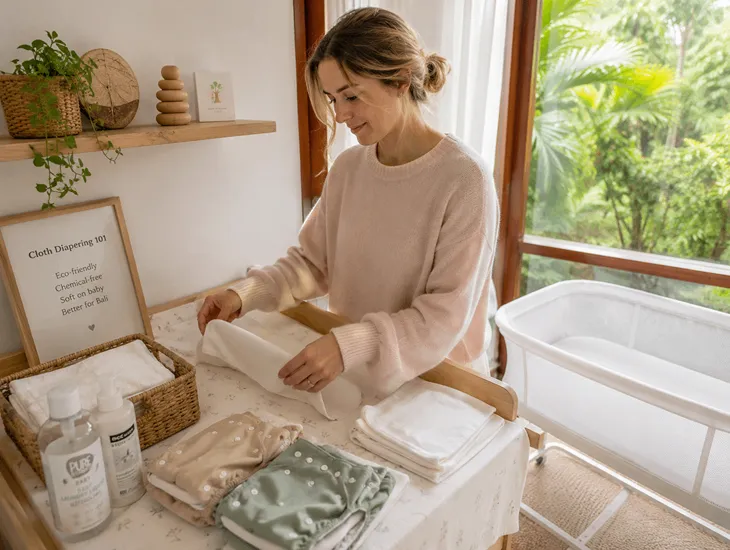
Cloth Diapering 101: Complete Beginner's Guide for Eco-Conscious Parents in Bali
Raising children often generates significant environmental waste. Babies use thousands of disposable diapers annually. This creates overwhelming landfill garbage for eco-conscious parents everywhere who prioritize long-term sustainability for their new family home.
Disposables contain harsh chemicals like chlorine and artificial perfumes. These materials often cause severe skin irritation. Parents frequently worry about constant diaper rashes that disrupt their infant’s sleep and general daily comfort.
Learning Cloth Diapering 101 feels intimidating for busy families. You struggle to manage frequent washing routines alongside your professional commitments. Messy cleanups and laundry cycles steal precious time from your busy workday.
Finding childcare that supports sustainable practices adds heavy stress to your parenting journey. Many traditional caregivers resist learning new routines. You fear compromising environmental values just to secure reliable, consistent daily help.
Professional support makes sustainable parenting entirely possible. You can successfully implement sustainable habits seamlessly with the right team. A trained caregiver integrates eco-friendly choices into their routine, ensuring consistency while you work.
Table of Contents
Environmental and Health Benefits
Disposable products create massive amounts of non-biodegradable waste annually. Choosing reusable options prevents hundreds of pounds of garbage from entering local landfills. This choice drastically reduces your household carbon footprint and promotes sustainability.
Reusable cotton fabrics contain zero harmful chemicals or perfumes. They provide superior breathability for sensitive infant skin. This natural airflow prevents severe irritation and uncomfortable diaper rashes effectively, protecting delicate skin barriers daily.
Understanding Cloth Diapering 101 helps you save substantial money. While the initial setup requires an investment, the long-term savings are undeniable. These durable fabrics can be reused for subsequent children, extending value.
One major study shows that skipping disposables saves up to one ton of landfill waste. Families also save over one thousand dollars before potty training begins. This financial benefit is truly remarkable globally.
Many children experience earlier potty training success with reusable fabrics. They feel the wetness directly against their skin. This natural physical awareness encourages them to transition out of diapers much sooner.
Mastering proper diapering techniques empowers parents to make healthier choices. You always have fresh supplies available right at home. You never need to rush out for emergency nighttime supplies during heavy rain.
Cloth Diapering 101: Choosing the Right Types
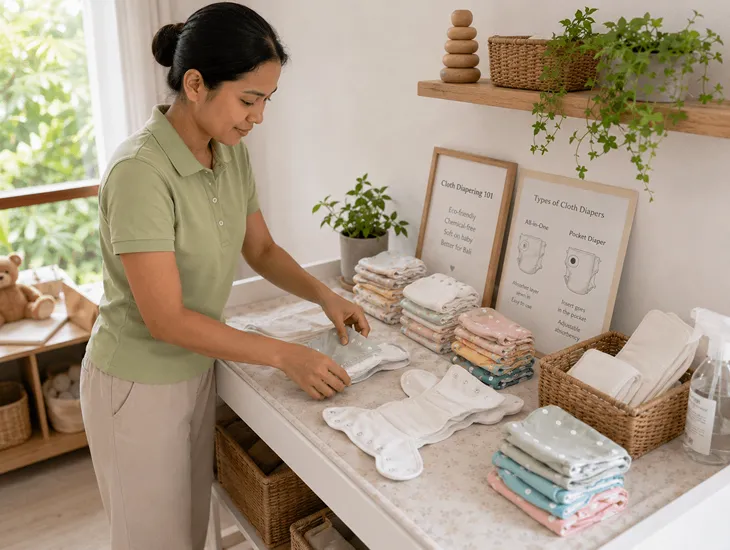
All-in-one diapers offer the highest level of convenience for parents. The absorbent material is sewn directly into the waterproof cover. They function exactly like standard disposable options for incredibly quick changes.
Pocket diapers represent the most popular choice for modern families. They feature a water-resistant shell with an opening for absorbent inserts. You can easily adjust the total absorbency based on needs.
Prefolds and covers provide the most economical solution available today. You simply fold a thick cotton cloth and place it inside a waterproof shell. This method dries incredibly fast after washing.
Fitted diapers offer a highly absorbent hourglass shape for overnight use. They require a separate waterproof cover to prevent leaks. These are excellent for heavy wetters who need maximum nighttime protection.
Flats are simple squares of cloth folded into custom shapes. They are the most economical option, though they possess a steeper learning curve. Skilled parents appreciate their versatility and quick drying speed.
Selecting the right style depends entirely on your daily routine. Many working parents prefer all-in-one styles for daycare environments. They are simple for any childcare provider to use without confusion or frustration.
Understanding Cloth Diapering 101 means exploring these various functional options. You might want to mix different styles for different situations. Flexibility ensures success as your baby grows and changes their needs.
Determining Your Initial Diaper Stash
Beginners should start with a minimum of twelve reusable diapers. This small stash allows you to test different styles comfortably. You can figure out what works best before investing heavily initially.
Your ideal stash should eventually reach twenty-four to thirty diapers. This larger quantity means you only need to wash them every other day. It significantly reduces your daily laundry burden and stress.
Most brands offer adjustable sizes that grow with your baby. You can use the same products from the newborn phase through potty training. This adaptability maximizes your initial financial investment for years.
Nighttime routines often require extra absorbent inserts to prevent leaks. You should add thick booster pads to your standard stash for evening use. This ensures your baby sleeps comfortably all night.
Consider newborn-specific sizes if you plan to cloth diapers from birth. These fit smaller frames better than one-size options. You can transition to standard sizes once your baby reaches four kilograms.
Building your collection is a core lesson in Cloth Diapering 101. You can gradually purchase more items as you gain confidence. A well-stocked nursery makes the entire process incredibly smooth daily.
Establishing a Solid Washing Routine
You must wash your reusable items every two to three days. This consistent frequency prevents stubborn odors and harmful bacteria buildup. Waiting longer makes tough stains much harder to remove later on.
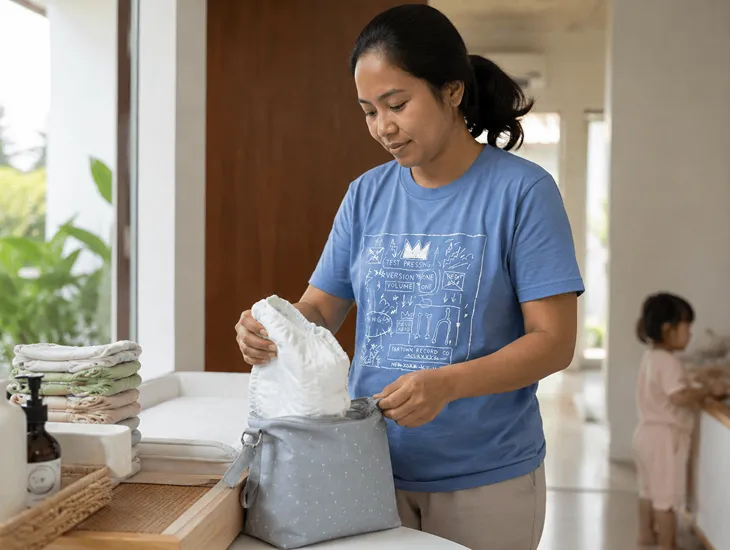
Always remove solid waste by spraying it directly into the toilet. You should store the rinsed items in a breathable wet bag. Proper storage prevents unpleasant smells inside your nursery area.
Start your laundry cycle with a cold water rinse. This initial step effectively removes urine and surface residue safely. Avoid using hot water during this phase to prevent setting stubborn stains.
Follow up with a heavy-duty wash using warm water and detergent. The warm water deeply cleans the thick absorbent layers. Ensure your washing machine spins at a very high speed afterward.
Hard water can affect your cleaning results significantly. You may need to add a specialized water softener to your cycle. This prevents mineral buildup from damaging the absorbent fabric fibers.
Drying thick fabrics in tropical environments like Indonesia requires extra care. High humidity prolongs the drying process significantly. Position your drying rack under a fan indoors during the wet season daily.
Real Story: Sustainable Childcare in Bali
I watched my laundry pile grow alongside my newborn’s messy diapers in Ubud. The thick tropical humidity made the damp cotton smell sour. I felt completely overwhelmed by the unending cycle.
I wanted to maintain my eco-friendly parenting practices abroad, but balancing constant laundry with strict client deadlines proved incredibly difficult. My daily stress levels were reaching an unhealthy peak rapidly.
I desperately needed reliable help to balance my career and values. I read a guide about cloth diapering basics online. I quickly realized I needed specialized childcare to survive.
I hired a professional agency to find a babysitter in Bali. The caregiver arrived and immediately organized my chaotic nursery. She understood sustainable practices and confidently managed the washing routines.
The caregiver handled every single diaper change with absolute precision. She efficiently rinsed the soiled inserts and managed the wet bags perfectly. This professional support completely saved my sustainable lifestyle abroad.
The constant sound of distant construction faded as I finally gained focus. The babysitter’s expertise allowed me to work while the laundry dried. I felt calm, centered, and truly supported.
How a Babysitter in Bali Supports You
A professional caregiver strictly follows your established eco-conscious routines daily. They reinforce your sustainable choices while you focus on remote work. You never have to compromise your values for temporary convenience anymore.
Trained childcare providers know exactly how to fasten reusable fabrics properly. They ensure a snug fit to prevent messy daytime leaks. They understand how to adjust absorbency for different daily activities.
They seamlessly manage the storage of soiled items in designated wet bags. A knowledgeable babysitter prevents odor buildup and maintains excellent hygiene. They handle the messier aspects with total, calm confidence.
A dedicated childcare professional easily adapts to your child’s changing needs. They notice when absorbency levels require immediate upgrading. This proactive approach prevents unexpected clothing changes during your busy afternoon meetings.
Integrating a caregiver is a practical application of Cloth Diapering 101. They offer valuable feedback regarding sizing and absorbency issues. Their flexibility guarantees your child remains comfortable all day long, happily.
They can even help manage the laundry if you are traveling with children in Bali. They coordinate washing, drying, and packing, allowing you to enjoy your vacation without the stress of chores.
Communicating Your Routine to Caregivers in Bali
Provide comprehensive written instructions detailing your specific system. Outline exactly how to put on and take off the reusable items. Clear guidelines prevent confusion and build caregiver confidence immediately for everyone.
Offer hands-on demonstrations during the very first shift together. Show them how to adjust the snaps and insert the absorbent pads properly. Visual learning helps them master the process much faster.
Start by providing all-in-one styles to simplify their daily tasks. These function exactly like familiar disposable options. You can gradually introduce more complex styles as they become completely comfortable with the system.
Clearly explain your storage system for soiled items. Show them where the wet bags are located and how to seal them. Explain how to use disposable bamboo liners effectively for waste.
Always check local regulations if you use larger childcare facilities. Some centers strictly require disposable bamboo liners for solid waste disposal. A private babysitter offers much more flexibility regarding these local rules.
Open communication is a core element of eco-friendly parenting. Express genuine gratitude for their willingness to accommodate your lifestyle. A positive relationship ensures consistent care for your precious baby, every single day.
Managing Cloth Diapering Challenges
The initial learning curve represents the biggest hurdle for new parents. Figuring out proper washing temperatures and detergent amounts takes patience. You must remain consistent to see positive long-term results later.
Traveling with reusable items requires extra logistical planning. You need access to reliable washing machines at your accommodation. Many families choose hybrid approaches during long international flights for ultimate simplicity and ease.
Your routine will naturally evolve as your baby grows into a toddler. Their output increases and requires thicker absorbent layers. A flexible mindset ensures you adapt to these physical changes easily.
Finding childcare that accepts reusable options can be frustrating initially. You must proactively ask questions during the hiring process. Professional agencies are usually much more accommodating to your specific, important requests.
Mastering sustainable diapering techniques means accepting occasional setbacks with grace. Professional support makes these challenges significantly easier to overcome. You can successfully raise an eco-conscious family with the right, supportive team.
Never feel guilty if you use disposables occasionally when overwhelmed. Sustainability is about progress, not perfection. Every reusable diaper used reduces waste and contributes to a healthier planet overall.
FAQs about Cloth Diapering 101
Q: Are reusable diapers hygienic for my baby?
A: Yes. Following a proper washing routine with detergent and warm water eliminates all bacteria effectively.
Q: Do I need to rinse breastfed baby poop?
A: No. Breastmilk waste is water-soluble and goes straight into your washing machine safely.
Q: Can a babysitter handle reusable diapers easily?
A: Absolutely. A trained caregiver can easily manage all-in-one styles and handle wet bag storage.
Q: What materials are best for heavy wetters?
A: Natural fibers like hemp and bamboo provide superior absorbency compared to standard microfiber inserts.
Q: How many reusable items do I need?
A: You should aim for a stash of twenty-four items to allow for comfortable every-other-day washing.
Q: Will reusable fabrics cause more diaper rash?
A: No. Natural cotton provides better breathability and lacks chemicals, reducing skin irritation.

