
Review Us
Dreamland Beach 2026 – Professional water safety supervision and shore break hazard management for families in Uluwatu
author

Dreamland Beach: Handling the Shore Break – Safety Tips for Swimmers

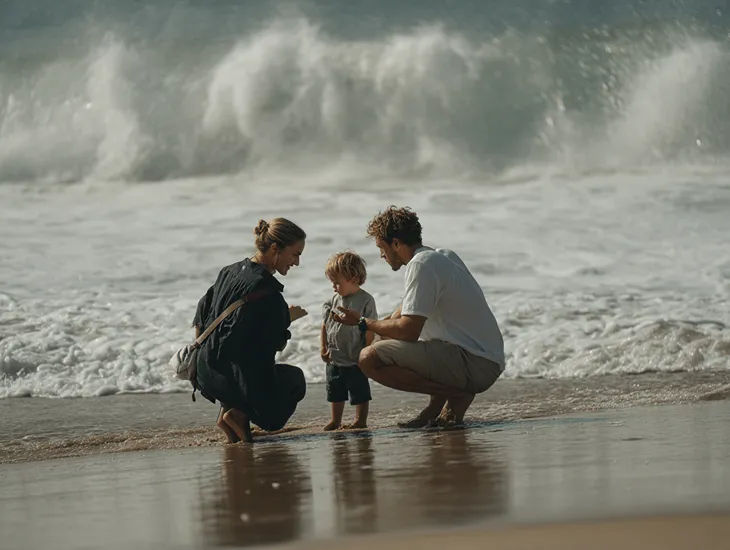
Families visiting the Uluwatu coast often expect a relaxing swim. However, the powerful waves at the shore present immediate physical dangers for inexperienced swimmers and small children on vacation.

The waves here break with immense force directly onto the sand. This heavy shore break can cause serious neck or back injuries if you are caught off guard during your visit today.

Strong rip currents and a fierce undertow often pull swimmers away from the safety of the sand. Managing multiple children in these unpredictable conditions is nearly impossible for a single parent alone.

Hidden rocks and uneven reefs lurk beneath the surface of the water. One large wave can knock a toddler down, dragging them toward sharp coral before anyone can effectively react.

Hiring a professional caregiver provides an essential layer of safety for your outing. A babysitter in Bali maintains constant visual contact while you enjoy the surf or relax under a shaded umbrella.

Our team follows strict safety protocols for every coastal excursion. Check the official portal to ensure your family remains safe during your trip.

Understanding the Dangerous Shore Break

The waves at Dreamland Beach are famous for their power and speed. They crash directly onto the shoreline, creating a heavy impact zone that can easily injure unsuspecting tourists.

This specific wave behavior makes entering and exiting the water very difficult. Even fit adults struggle to maintain their balance when the backwash pulls sand from beneath their feet.

Children should never stand where the waves are actively breaking. The force of the water can slam a small child onto the seabed, causing immediate physical trauma or distress.

Shore breaks occur because the seafloor rises sharply near the sand. This causes the energy of the swell to release all at once, creating a dangerous wall of water for swimmers.

A caregiver ensures that children stay well back from this impact zone. They provide a physical boundary that keeps your little ones safe from the unpredictable power of the ocean.

Surfers often use specific channels to avoid the heavy dump of the waves. Families should observe these patterns and avoid the central areas where the waves are most aggressive.

Recognizing Rip Currents and Undertow

Dreamland Beach 2026 – Ocean safety guide for identifying rip currents and managing undertow risks for children

Powerful currents often flow outward from the center of the bay. These rip currents are strong enough to drag even experienced swimmers far into the open ocean without warning.

If you get caught in a current, do not swim toward the shore. Instead, swim parallel to the sand until you are free from the pulling force of the water.

The undertow at Dreamland Beach is equally deceptive and strong. Receding waves pull with enough strength to knock toddlers off their feet, dragging them toward the incoming surf.

Rip currents often look like calm, dark channels between breaking waves. Tourists frequently mistake these dangerous areas for safe swimming spots, leading to serious accidents in the water.

A babysitter in Bali understands how to identify these dangerous water patterns. They keep children grounded on the dry sand when the currents are visibly strong or unpredictable.

Staying calm is the most important part of surviving a rip current. Our team educates parents on these risks so everyone knows how to react during an emergency.
Essential Supervision Standards in Bali

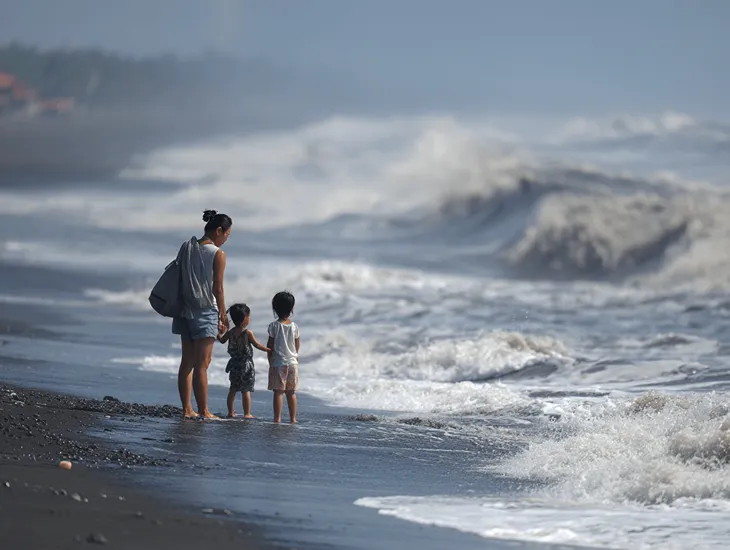
Maintaining a constant “within arm’s reach” policy is vital for safety. At Dreamland Beach, a single second of distraction can lead to a dangerous aquatic incident for a child.

A babysitter in Bali provides dedicated eyes on the waterline at all times. This allows parents to rotate into the water while the children remain safely on the upper sand.

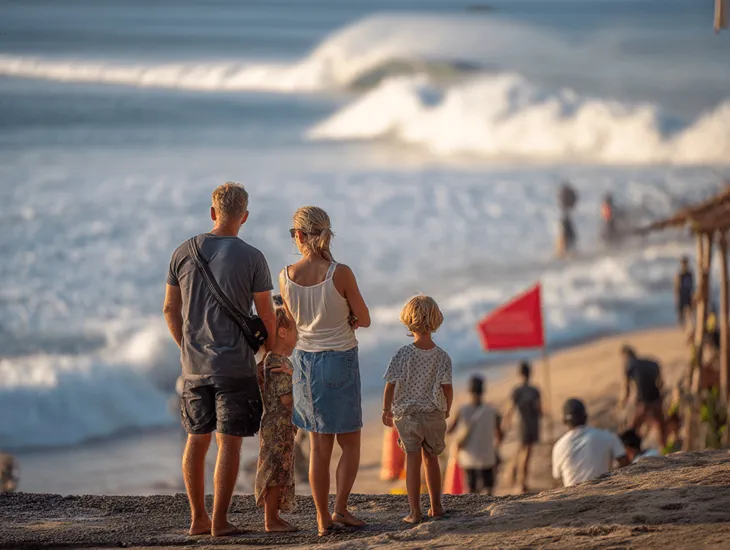
Professional caregivers understand the local flag system used on the island. Red flags mean the water is closed, and our team strictly enforces these boundaries for every child.

Never rely solely on lifeguards for the safety of your children. Lifeguard presence is often inconsistent, and they may be overwhelmed by large crowds during the peak travel season.

Effective supervision requires a ratio of one adult per child in the water. Hiring a professional allows your family to maintain this high standard throughout your entire beach day.

Clear communication between parents and caregivers prevents any gaps in watchfulness. We establish strict rules about water entry before the family even arrives at the shoreline.

Safe Activities for Children in Bali

Because of the heavy surf, families should treat the shore as a play area. Safe activities include building sandcastles and collecting shells far from the wet sand zone.

A babysitter in Indonesia can lead engaging games under the shade of a beach umbrella. This keeps children entertained while protecting them from the intense heat and the dangerous waves.

Older children may paddle in the very shallowest water if conditions allow. However, a caregiver must hold their hand firmly to prevent the backwash from pulling them into the surf.

Drawing in the sand with sticks is a great way to engage creativity. This keeps children focused on activities that are physically distanced from the dangerous impact of the waves.

Pebble counting and identifying different tropical birds provide educational fun. These activities ensure that your children have a memorable experience without ever entering the high risk water zones.

Picnics on the sand are much safer than trying to swim. Our caregivers help manage the snacks and hydration, ensuring the kids stay full and happy in the shade.

A Family Safety Success Story

Marina sat in a quiet villa in Pererenan, her pen hovering over a list of tide times for the southern surf breaks. Her phone buzzed with an alert about a rising swell.

This signaled an immediate conflict between her photography goals and her toddler’s safety. She realized her anticipated family day at Dreamland Beach was 60 seconds away from a total collapse.

The humidity was intense as she looked at her heavy camera gear and her restless son. She decided to book a professional babysitter in Bali to help manage the shore logistics.

The caregiver, Sari, arrived with a calm smile and a backpack of toys. She held the boy’s hand firmly, keeping him well away from the dangerous shore break during the afternoon.

The resolution was perfect for the whole family. Marina captured stunning surf photos while Sari built sandcastles in the shade. They safely enjoyed the coast until the sky turned purple.

This support turned a difficult day into a successful adventure. Marina felt empowered to explore the coast while her son remained safe and fully supervised throughout their afternoon at the shore.

Managing Environmental Risks in Indonesia

Dreamland Beach 2026 – Coastal hazard management including sun protection and hidden reef safety for families

Hidden rocks and sharp coral reefs are common throughout the seabed area. According to , these hazards can cause painful cuts if a swimmer is thrown down by a wave.

A babysitter in Indonesia ensures that every child wears reef shoes for protection. They also monitor sun exposure, reapplying high-SPF sunscreen every two hours to prevent painful tropical burns.

Dehydration is a major risk on exposed west-facing shorelines during the day. Our team manages fluid intake for children, ensuring they drink plenty of fresh water between their play sessions.

The intense tropical sun can lead to heat exhaustion very quickly. We prioritize finding or renting a shaded spot to serve as a base for your children throughout the outing.

Watching for jellyfish is another important part of our environmental safety protocol. Caregivers stay alert for any local marine life that could cause stings or allergic reactions for children.

Protecting sensitive skin is our top priority. We ensure that children wear wide-brimmed hats and UV-protective clothing whenever they are playing outside on the bright white sand.

Best Times for Coastal Visits

Arriving early in the morning offers the calmest conditions for families. The wind is usually lighter, and the shore break at Dreamland Beach is often less aggressive before noon.

Avoiding the midday heat is essential for the comfort of young children. Morning visits also allow you to secure a shaded spot before the large crowds arrive on the sand.

Always check the local tide charts before you leave your accommodation. High tide provides a wider area for sand play, while low tide may reveal more sharp rocks and coral.

Sunset is a beautiful time for photos but the waves can become larger. Parents should be extra vigilant as the light fades and the ocean conditions become harder to see.

Mid-week visits are generally quieter than weekends. Fewer crowds mean more space for children to run safely and a more relaxed environment for your professional caregiver to work.

Planning your visit around the children’s nap schedules ensures they are not overtired. A rested child is more likely to follow safety rules and enjoy the beach environment.

Professional Childcare Screening in Indonesia

Hiring through a reputable agency ensures your caregiver is properly vetted. Every babysitter in Bali on our team undergoes a strict background check and identity verification process.

We prioritize staff with verified experience in beach environments. This expertise is vital for making quick decisions when ocean conditions change suddenly at the shore of Dreamland Beach.

Our training includes basic first aid for minor cuts and stings. You can relax knowing your children are with a professional who understands the specific risks of the southern coast.

We verify all childcare references to ensure a high standard of care. Our screening process filters for individuals who are patient, alert, and capable of managing multiple children at once.

Cultural etiquette is also a key part of our staff orientation. Our caregivers understand how to bridge the gap between local island customs and the expectations of international families.

Safety is not just a policy; it is our primary mission. We provide ongoing training to our team to ensure they remain updated on the latest pediatric safety standards.

FAQs about Dreamland Beach​

Q: Is the water safe for toddlers at Dreamland Beach

A: No, the powerful shore break and currents make the water very dangerous for small children today.

Q: Are there lifeguards at Dreamland Beach

A: Lifeguard presence is inconsistent. Always rely on your own dedicated supervision for the safety of your family.

Q: Should children wear flotation aids? 

A: Yes, but only in very shallow water. Flotation aids cannot protect against strong rip currents or waves.

Q: Can we buy food on the sand? 

A: Yes, simple stalls offer snacks and drinks, but prices are often higher than in the town.

Q: Is there shade available? 

A: Natural shade is limited. It is best to rent an umbrella or bring your own sun tent.

Q: What should we do if caught in a rip? 

A: Do not panic. Swim parallel to the shoreline until the current weakens, then return to the sand.

Need childcare support for your Dreamland Beach plans? Chat with our team now!