
Easy Peasy Pancake Recipes to Make with Kids in Indonesia
Expat families often struggle to find engaging indoor activities for children. Humid afternoons and sudden rainstorms limit outdoor play significantly. Parents need simple, educational tasks to keep young minds occupied at home.
Cooking together offers a perfect solution but can feel daunting. You might worry about safety hazards or messy kitchens. Without a clear plan, a fun activity can quickly turn into stressful chaos.
Recipes that are too complex lead to frustration for everyone. You want dishes that are forgiving and quick to prepare. Using local ingredients adds a fun cultural twist to the cooking lesson.
Pancake recipes in Indonesia provide an accessible entry point for kids. The batter is easy to mix and highly adaptable. Using tropical fruits like dragon fruit makes the experience visually exciting.
Following food safety guidelines ensures a healthy cooking environment. Simple tasks like mashing bananas build motor skills safely. These shared moments create lasting memories without the pressure of perfection.
This guide details easy recipes and age-appropriate kitchen tasks. We cover safety protocols and creative toppings for 2026. Start your culinary adventure with these kid-friendly ideas.
Table of Contents
Core Easy Peasy Pancake Base
The standard fluffy pancake batter is a quick base. It uses all-purpose flour, eggs, sugar, and milk. This simple combination is the foundation for many pancake recipes in Indonesia.
Start by mixing the wet ingredients in one bowl. Combine the dry ingredients like baking powder and salt separately. This step teaches children about different textures and food states.
Pour the wet mix into the dry bowl gently. Let the kids whisk until just combined to avoid over-mixing. Cooking in a non-stick pan ensures easy flipping for beginners.
This base can be simplified by pre-measuring ingredients beforehand. Use small bowls for each item to help younger kids. It turns the process into a fun science experiment.
Local flour brands like Segitiga Biru work perfectly here. You can easily find these at any minimart or supermarket. Accessibility makes this recipe convenient for spontaneous cooking sessions.
Using fresh milk or UHT milk yields the same results. Local dairy brands provide high-quality options for baking. Adjust the liquid amount if the batter feels too thick.
Mini Pancakes and Cereal Style
Mini pancakes are a fun variation of the standard recipe. You use the same batter but squeeze it into tiny dots. These cook very fast and are perfect for impatient toddlers.
“Pancake cereal” involves making dozens of these coin-sized treats. Kids love eating them in a bowl with milk and honey. It is a playful way to serve breakfast on weekends.
Use a squeeze bottle to portion the batter onto the pan. This tool gives children more control over the shape. It also helps develop their hand-eye coordination skills.
This playful trend complements traditional pancake recipes in Indonesia. It encourages children to interact with their food creatively. The small size is manageable for little hands to flip safely.
Top these mini bites with fresh tropical fruit slices. Mango and papaya add natural sweetness and vibrant color. It encourages children to try new flavors in a familiar format.
Cooking these requires attention as they burn quickly. Keep the heat on low to manage the process. Let the kids count the bubbles before flipping each piece.
Banana Pancakes with Local Pisang
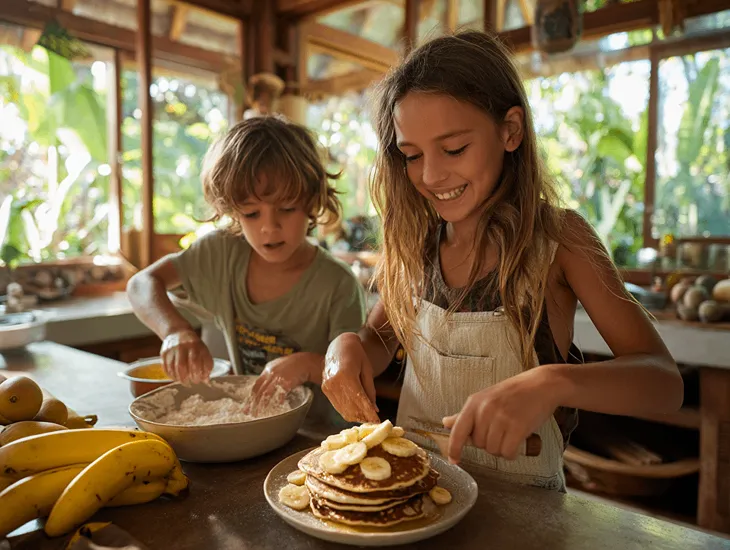
Banana pancakes are a staple for families in the tropics. Use ripe “pisang Raja” or “pisang Ambon” for the best flavor. These local varieties are naturally sweet and mash easily.
Mix the mashed banana directly into the standard batter base. You can add a pinch of cinnamon for extra warmth. This version is moist and delicious without needing much syrup.
An even simpler version uses just bananas and eggs. Blend two bananas with flour, milk, and an egg. This creates a quick, healthy batter that cooks in minutes.
Adapting these pancake recipes in Indonesia allows for creativity. Local markets sell ripe bananas at very low prices. It teaches kids to use ingredients that are in season.
Serve these pancakes with a drizzle of local honey. Slices of fresh banana on top add texture. It is a nutritious snack that kids can make themselves.
The texture of banana pancakes is softer than regular ones. Flip them carefully to keep them intact. Using a wide spatula helps maintain the round shape.
Dragon Fruit Pancakes for Color
Dragon fruit adds a stunning pink hue to any batter. Puree a quarter of a dragon fruit with some milk. This natural food coloring excites kids and makes cooking magical.
Combine the pink milk with flour, sugar, and eggs. Fold in beaten egg whites to keep the pancakes fluffy. This technique introduces kids to gentle mixing methods.
The vibrant color stays bright even after cooking on the stove. These pancakes look like something from a fantasy story. They are perfect for themed breakfast parties or special occasions.
Serve with white toppings like coconut cream or yogurt. The contrast makes the pink color pop even more. It is a visually appealing dish that tastes mild and sweet.
Dragon fruit is rich in antioxidants and vitamins. Adding it to pancake recipes in Indonesia boosts nutritional value. It is a clever way to include fruit in a meal.
Let children choose the intensity of the color. Adding more fruit puree creates a deeper magenta shade. They enjoy customizing the look of their breakfast.
Durian and Folded Pancake Styles
Durian pancakes are a unique local delicacy for adventurous families. Use thin crepes made from flour, eggs, and pandan flavoring. This introduces children to the traditional “dadar gulung” technique.
Fill the crepes with whipped cream and durian flesh. Fold them like envelopes and chill before serving. This cold treat is refreshing in the tropical heat.
This folding technique diversifies the list of pancake recipes in Indonesia. It challenges older children to practice fine motor precision. The result is a professional-looking dessert made at home.
For a simpler “folded pancake” style, use standard batter. Fill the cooked pancake with chocolate spread or fruit jam. Fold it over to create a handheld snack for school.
These folded versions are popular “jajanan pasar” or market snacks. Making them at home connects kids to local food culture. It is a hands-on lesson in Indonesian culinary traditions.
Pandan extract provides a lovely green color and aroma. It pairs perfectly with coconut fillings or sweet cream. Kids are often fascinated by the fragrant green batter.
Using a non-stick crepe pan ensures thin, even layers. Rotate the pan quickly to spread the batter. This skill requires practice and is fun to master.
Age Appropriate Kitchen Tasks
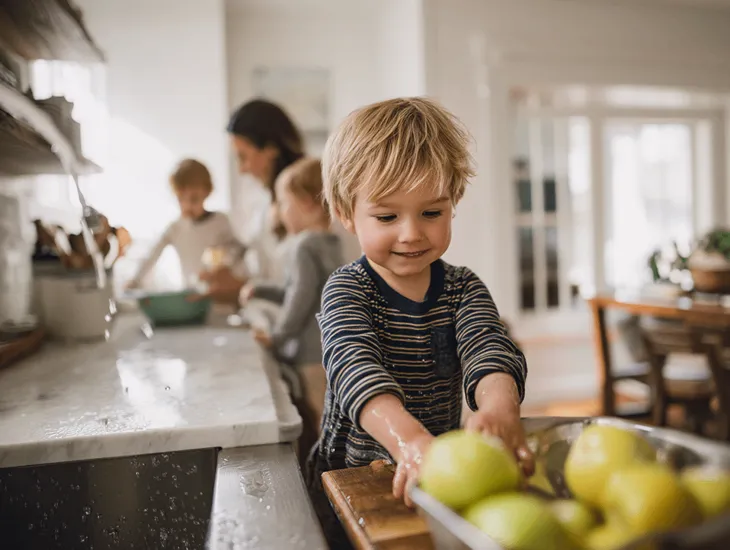
Younger kids aged three to six can handle simple tasks. They can wash fruit and mash bananas with a fork. Pouring pre-measured milk is also a safe and fun job.
Keep them away from the hot stove and sharp knives. Their role is to help with preparation and assembly. This involvement builds confidence without exposing them to danger.
Older kids aged seven to twelve can do more complex work. They can crack eggs and whisk the batter independently. Supervision is still required, especially around the heat source.
Let them ladle batter into a cool pan before heating. They can also set the timer and plate the finished pancakes. Adults should always handle flipping and moving hot pans.
Teaching kids to clean up is part of the process. Have them wipe down the counter after mixing. This instills responsibility and respect for the workspace.
Real Story: Emma’s Sunday Breakfast in Ubud
Meet Emma, a 34-year-old mother living in Ubud. She wanted to make a special breakfast with her two sons. She struggled to find an activity that was safe and engaging.
The rain was heavy that morning, trapping them indoors. The boys were energetic and needed a focused task. Emma decided to try making pancake recipes in Indonesia.
She set up a station with pre-measured ingredients on the table. The boys mashed bananas and mixed the batter enthusiastically. They loved watching the pancakes puff up in the pan.
Emma handled the stove while the boys decorated their plates. They used dragon fruit and honey to create colorful faces. The morning turned into a fun and delicious memory.
The boys asked to cook again the following weekend. They wanted to experiment with different local fruits. Emma was thrilled to see their growing interest in food.
Safety Protocols for Cooking with Kids
International guidance stresses constant supervision around stoves. Keep children at least three feet away from hot appliances. Turn pan handles inward to prevent accidental spills or burns.
Children should never open ovens or handle hot pans directly. An adult must manage anything involving gas burners or hot oil. This rule is non-negotiable for family safety.
Kids must ask an adult before using electrical equipment. Blenders and mixers should be operated by parents or under strict watch. This prevents accidents with moving parts and sharp blades.
Hygiene is crucial when cooking with young children. Wash hands thoroughly before touching any ingredients or tools. Clean up spills immediately to prevent slips on the kitchen floor.
Use a sturdy step stool if kids cannot reach the counter. Ensure it is placed on a flat, dry surface. Stability prevents falls during the mixing process.
Keep raw eggs separate from ready-to-eat ingredients. Explain the importance of food safety to your children. This knowledge protects them from foodborne illnesses.
FAQs Pancake Recipes You Can Make in Indonesia
Q: Can I use coconut milk instead of dairy?
A: Yes. Coconut milk is a great local substitute for dairy milk.
Q: What is the best flour for fluffy pancakes?
A: All-purpose flour or “tepung terigu” works best for standard recipes.
Q: Can toddlers help with flipping pancakes?
A: No. Flipping involves hot pans and should be done by adults.
Q: Where can I buy dragon fruit?
A: Dragon fruit is available at most local markets and supermarkets.
Q: Is durian safe for kids to eat?
A: Yes. However, the strong flavor might be intense for some children.
Q: Do I need a mixer for the batter?
A: No. A hand whisk is sufficient for most pancake recipes in Indonesia.

