
Review Us
Family Liveaboard Bali 2026 – Secure bunk beds, motion safety protocols, and age-appropriate sleeping arrangements for children on boat
author-2

Family Liveaboard Bali: Tips for Sleeping on a Boat for 3 Days

Many traveling families struggle to find unique adventures beyond land resorts. Standard hotels often feel repetitive and disconnected from nature. Parents worry about safety on open water during longer trips.

Children require constant stimulation that land activities cannot always provide. Finding a balance between education and recreation is a challenge. This search for novelty often leads to logistical confusion.

Confining active children to small boat cabins for three days causes significant stress. Constant engine noise, motion, and limited space trigger anxiety for guardians. These concerns often cancel ambitious travel plans.

The fear of motion sickness and poor sleep prevents families from booking cruises. Seeing children exhausted and restless ruins the holiday spirit. Navigating deep water feels like an unacceptable physical risk.

Choosing a verified family liveaboard Bali operator ensures professional childcare standards and safety. Proper preparation for sleeping arrangements guarantees a restful journey. Explore the sea with complete peace today.

Specialized vessels offer cabins designed for the needs of young guests. High-quality safety gear and trained crew members provide essential support. Secure your booking to create lasting memories with your loved ones.

How to Choose a Family Liveaboard Bali Operator

Reputable operators usually limit guest capacity to twenty people. This creates a private atmosphere for parents and kids. Vetting vessels requires checking verified yacht charter hubs online.

Choose boats that explicitly market themselves as family-friendly. Some operators have age floors like eight years old for safety reasons. Verify age policies before booking a family liveaboard Bali trip.

Private charters allow for total control over the itinerary. This flexibility helps when children need extra rest periods. It also ensures the crew focuses only on your specific family needs.

Check for recent reviews regarding crew interaction with children. Patient staff members make the journey much more comfortable for everyone. Professional standards are the foundation of a good voyage.

Safety Protocols for Children on Deck

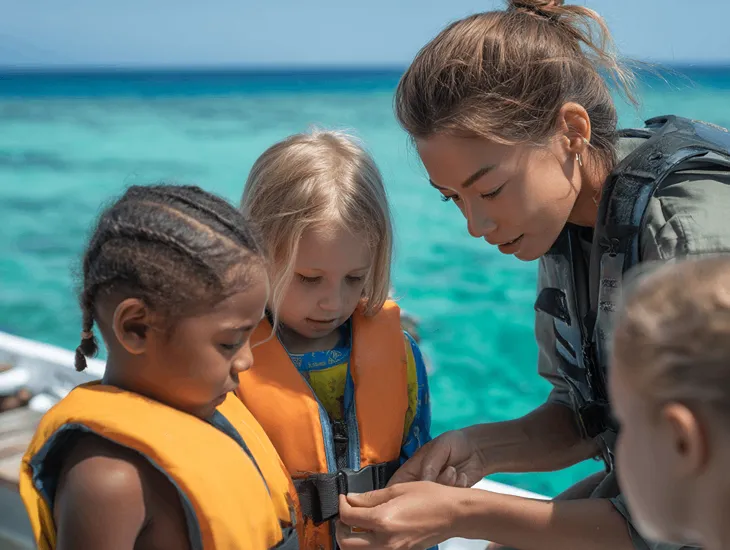
Family Liveaboard Bali 2026 – Child wearing a correctly fitted life jacket while standing on the wooden deck of a schooner

Life jackets are mandatory for all minors when on deck areas. Most operators provide various sizes for young children. Ensure the fit is secure before the boat starts moving.

Parents must supervise children at all times near ladders and rails. Open decks present fall risks during evening hours. Constant vigilance is the primary rule for sea safety in Indonesia.

Crew members provide a mandatory safety briefing upon arrival. Pay close attention to life ring locations and emergency procedures. Knowledge of the vessel prevents accidents during the voyage.

Install netting around the deck railings if the boat allows it. This provides an extra layer of protection for very active kids. Safety is the most important part of any cruise.
Essential Cabin Sleeping Arrangements in Bali

Cabins on traditional wooden boats are often very compact. Bunk beds are common for older children and adults. Measure the available floor space for travel cots before you depart.

Tight berths can cause discomfort during a three-day journey. Choose a cabin with enough space for parents and toddlers. Proper sleeping posture is essential for maintaining high energy levels.

Engine noise often permeates through thin cabin walls. Use white noise devices or ear defenders for light sleepers. Adapting to the boat’s hum takes some time for most kids.

Keep the cabin door secured to prevent children from wandering. Nighttime on a boat requires strict boundaries for safety. Ensure everyone knows their specific sleeping spot before the sun sets.

Managing Motion Sickness and Health

Consult a doctor about motion sickness remedies before departing land. Seasickness often affects children more than adults on open water. Prevention is easier than treating active nausea at sea.

Bring specific medications and high-quality mosquito repellent. Medical clinics are not accessible once the boat leaves the harbor. Self-sufficiency is critical for maintaining family health during the trip.

Fresh water is a limited resource on smaller yachts. Rotate quick showers to conserve the supply for the whole group. Rely on basin washes for younger children during the voyage.

Monitor children for signs of sunstroke or dehydration. The reflection of the sun on the water is very intense. Provide plenty of fluids and shade throughout the day.

Real Story: David's Voyage in Pererenan

Meet David, a 42-year-old developer from Germany. He moved to Pererenan and wanted to explore Komodo with his son, Erik. He feared Erik would struggle with sleeping on a boat.

Erik found the engine vibration loud during the first night at sea. David used a white noise app and a comfort toy to help. This small adjustment allowed Erik to sleep soundly.

That is when he used family liveaboard Bali guides to hire an assistant. The assistant helped manage Erik’s meals and snorkeling safety. David finally enjoyed the sunset without constant worry.

The voyage became the highlight of their year in Indonesia. Erik learned to identify different fish and loved the cabin bunk. Proper support made the adventure possible for the family.

Age-Appropriate Sea Activities in Indonesia

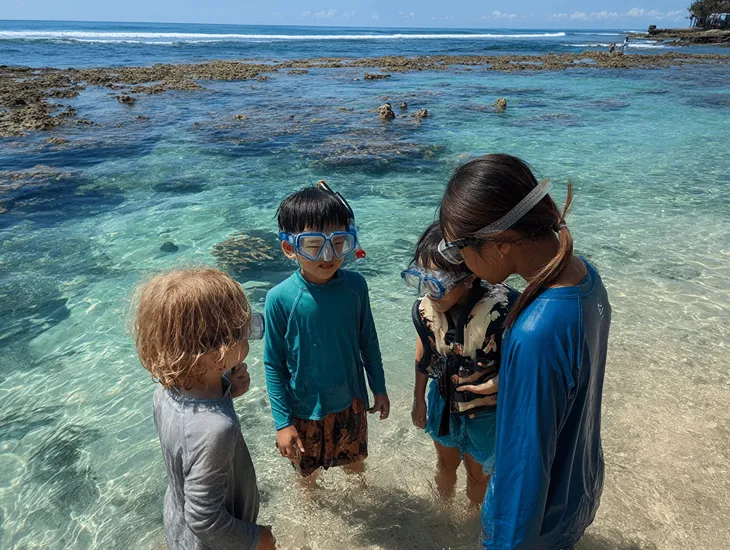
Marine Life Education 2026 – Children using snorkeling masks to observe coral reefs in a shallow Indonesian bay

Snorkeling in shallow bays is a highlight for older children. Operators often use floating ropes to assist nervous swimmers. This physical support builds confidence in the tropical water.

Beach picnics and rock pool exploring are excellent land activities. These breaks from the boat allow children to run freely. Exploring the shoreline provides a visual lesson in marine biology.

Some crews engage children with traditional music and simple games. These interactions foster a positive cultural connection for young guests. Socializing with the crew enriches the travel experience.

Kayaking in calm lagoons is suitable for school-aged children. It provides a different perspective of the coastal landscape. Always wear life jackets during any water-based recreation.

Packing Gear for a 3-Day Trip

Pack light clothing that dries quickly in sea air. Waterproof bags protect electronics from the high humidity on board. Limited storage space requires efficient organization of all belongings.

Include comfortable sleepwear and a small comfort object for children. Familiar items help kids adapt to the new environment. Bringing a baby monitor allows for adult time on deck.

Sun protection is mandatory for the intense tropical exposure. High-SPF sunscreen and wide-brimmed hats are essential gear. Protect your family from burns during the snorkeling sessions.

Bring a basic first aid kit with ocean-specific items. Treatments for jellyfish stings and coral scrapes are very useful. Preparation prevents minor injuries from ruining the family fun.

Cultural Etiquette for Boat Guests

Indonesian boat crews are patient and family-oriented by nature. Parents remain the primary carers for children at all times. Follow the boat’s quiet time rules to respect others.

Moderate the volume of children during the evening hours. Sound travels easily through wooden hulls and open cabins. Respectful behavior ensures a peaceful environment for all guests.

Modest dress is required when visiting local island villages. Follow the instructions of the crew regarding local customs. Respecting traditions fosters a positive relationship with the host communities.

Tipping the crew is a standard practice for good service. Small gestures of appreciation are welcome in the local culture. Professionalism should always be met with kindness and respect.

FAQs about family liveaboard Bali​

Q: What is the minimum age? 

A: Most operators suggest eight years for safety.

Q: Is childcare provided? 

A: No, parents remain the primary carers at all times.

Q: Are life jackets provided?

A: Yes, reputable boats carry various child sizes.

Q: Is there Wi-Fi? 

A: Connectivity is limited and depends on the route.

Q: What about meals? 

A: Crews provide balanced meals with kid-friendly options.

Q: Can we bring strollers? 

A: No, use baby carriers due to narrow stairs.

Enjoy your Bali family liveaboard while a trusted sitter cares for your little ones.