
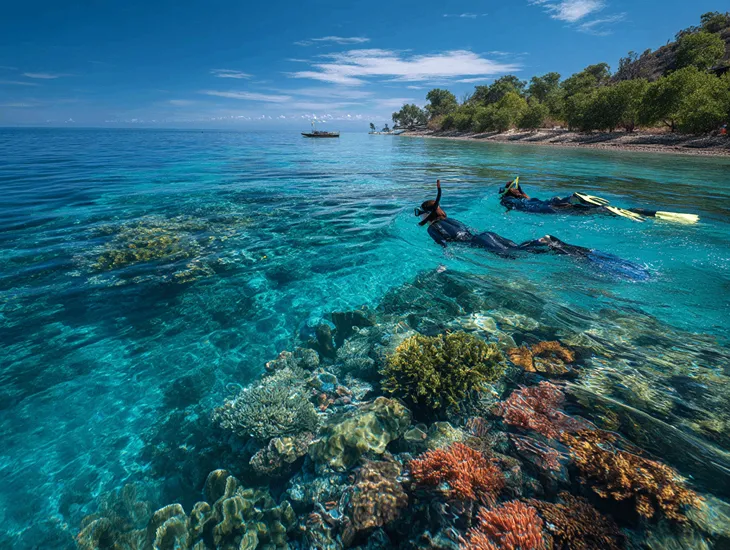
Gamat Bay in Bali: Drifting with the Current – Advanced Snorkeling for Family
Many parents seek coral reefs and manta ray encounters during their holiday. Choosing the wrong location can lead to exhaustion or dangerous situations in Indonesia. Expert planning is required.
Standard beach spots often lack the biodiversity that teenagers crave. You might feel limited by shallow lagoons. This search for adventure often leads families to remote, unprotected bays.
Gamat Bay is a remote site known for powerful currents and deep water. Without professional guidance, drifting away from the shore is a risk. This can turn a fun outing into a crisis.
Advanced family snorkeling in Bali requires specific skills and expert supervision. Gamat Bay offers clear water and reef sharks for those who are prepared. It is a challenge for strong swimmers.
Following professional childcare standards ensures your teenagers remain safe in the water. Licensed guides provide the necessary boat support and safety lines. This allows for a controlled experience for the whole group.
This guide explores ways to navigate the currents of Nusa Penida. We cover essential gear and seasonal timing. Master the art of drift snorkeling with our expert local insights.
Table of Contents
Geography and Access to Gamat Bay
Gamat Bay sits on the rugged western coastline of Nusa Penida. Access by land involves a steep road and a short hike. This secluded nature keeps the coral healthy and the water clear.
Most visitors arrive by boat from Toyapakeh Harbour. This ten-minute journey is part of many multi-stop snorkel tours. It provides a safer entry point than the unsupervised beach shoreline.
The bay is relatively small but opens into a deep channel. This topography creates the strong water movement that attracts divers. It is a remote location for those seeking a secluded experience.
High limestone cliffs surround the small patch of white sand. This creates a natural windbreak for the inner part of the bay. It is a scenic destination for boat-based excursions.
Drift Snorkeling Conditions in Bali
The currents at Gamat Bay are typical of the Nusa Penida region. They range from mild to very strong depending on the tides. Snorkelers must move with the water rather than fighting it.
This “drift” style allows you to see vast stretches of reef easily. However, it requires constant awareness of your boat’s position. Fighting the current leads to rapid exhaustion in the water.
Visibility is often exceptional, exceeding twenty meters on calm days. This clarity makes it easier to spot marine life below. Experienced guides monitor the tides to ensure a safe experience.
Water temperatures remain between 26 and 28 degrees Celsius. This provides a comfortable environment for long underwater sessions. Clear water is essential for spotting larger predators from a distance.
Suitability for Experienced Family Swimmers
This location is not for toddlers or non-swimmers. It is strictly for individuals who are comfortable in deep water. Teenagers aged eight and older usually find the conditions engaging.
Family snorkeling in Bali at this level requires high stamina. Participants must be able to use fins effectively to steer. If a child panics in a current situation, the situation becomes difficult for everyone.
Parents should assess their children’s swimming abilities before booking. Staying at Crystal Bay is an alternative for younger children. Gamat Bay is the destination for those seeking a deeper challenge.
Confidence in the open ocean is a prerequisite for this site. Swimmers must understand how to clear their snorkels while moving. Mastery of basic techniques ensures safety in the deeper channel.
Professional Boat Support and Safety
Never attempt to snorkel Gamat Bay from the shore without backup. Powerful currents can carry individuals away from the bay quickly. A licensed boat provides a vital safety net for every swimmer.
Guides often use surface lines or reef lines for support. These tools help families stay together during the drift. Constant supervision from a reputable operator is the only way to visit safely.
Licensed operators follow strict safety protocols during every excursion. They provide life jackets and maintain a clear view of the group. This professional oversight reduces the risks associated with open water.
The boat captain remains in close proximity to the snorkelers at all times. This “live boat” method allows for immediate pickup if someone becomes tired. It is the gold standard for drift safety.
Essential Gear for Advanced Snorkeling
Well-fitting fins are mandatory for navigating the currents here. They provide the power needed to stay on course during the drift. A high-quality mask ensures you do not miss the marine life.
A light rash vest or wetsuit provides thermal protection. Even in Bali, long sessions in the water can lead to chills. It also protects your skin from accidental contact with jellyfish.
Using reef-safe sunscreen protects the delicate ecosystem of the bay. Chemical sunscreens damage the coral. Protecting the environment ensures future generations can enjoy the same views.
Weight belts may be used by experienced free divers in the group. However, most snorkelers should maintain positive buoyancy for safety. Floating at the surface provides the best view of the drift.
Marine Life Etiquette in Indonesia
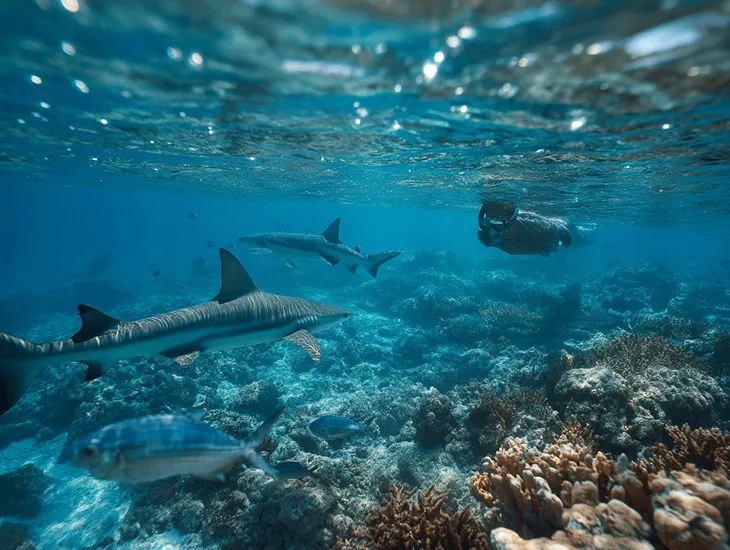
Gamat Bay is home to reef sharks and manta rays. It is vital to maintain a respectful distance from all creatures. Chasing or touching marine life is strictly prohibited by local rules.
Never stand on or kick coral reefs during your swim. Coral is a living organism that takes years to grow. Damaging the reef destroys the habitat for the fish you came to see.
Stay within view of your guide at all times. Do not drift far from the group to take photos. Following these rules ensures a sustainable experience for every visitor in Bali.
The bay serves as a nursery for many smaller fish species. Observing the intricate behavior of the reef community is educational. It fosters a deep respect for the ocean in young travelers.
Real Story: The Miller Family in Sanur
Thomas (Sanur) required a challenging marine activity for his teenagers. They had mastered the shallow lagoons of the mainland and needed a deep-water environment. He sought a professional team to manage the currents.
Thomas worried about the strong currents he had heard about. He struggled to find a provider that prioritized safety for teenagers. He needed a team that understood advanced family snorkeling in Bali.
He used a professional network to find a specialized marine guide. The boat crew provided safety lines and constant supervision. This organized approach allowed the family to explore Gamat Bay with confidence.
They encountered three reef sharks resting near the sandy bottom. The teenagers were thrilled by the proximity of the marine predators. Thomas appreciated the technical competence of the licensed boat captain.
Best Timing and Seasonal Visibility
The dry season from April to October offers the best conditions. Visibility is at its peak, and the seas are generally calmer. Early morning trips are preferred to avoid the afternoon wind.
Planning your trip around the lunar cycle is beneficial. Neap tides offer the mildest currents for family snorkeling in Bali. Discussing these details with your guide ensures a comfortable experience.
Rainy season visits can lead to murky water and debris. Runoff from the hills affects the clarity of the bay. Visit during peak months for the visibility Gamat Bay provides.
Checking the swell forecast is also a technical necessity. Large southern swells can make boat navigation through the channel difficult. Safety always takes precedence over the desire to see the reef.
FAQs about Family Snorkeling in Bali
Q: Is there an entrance fee for Gamat Bay?
A: There is no formal fee, but parking costs may apply on land.
Q: Can beginners snorkel at Gamat Bay?
A: It is only recommended for beginners if they are with a professional guide.
Q: Are there lifeguards at the beach?
A: No. The beach is unsupervised and has no patrol services on site.
Q: What marine life can I see there?
A: You can see reef sharks, manta rays, and healthy coral reefs.
Q: How long is the boat ride?
A: It takes ten minutes from Toyapakeh Harbour to arrive at the bay.
Q: Should we bring our own equipment?
A: Reputable tours provide gear, but personal masks often fit more comfortably.
Q: Is the water cold at Gamat Bay?
A: The water is warm, but a rash vest helps prevent chills during drifts.
Q: Can we see Mola Mola here?
A: Under specific cold-water conditions, rare sightings are possible for deep divers.

