
Healthy Snacks for Kids: Easy Ideas & Smart Tips
Balancing a child’s diet with a remote career is difficult. Expat parents often lack time for daily meal planning and nutritional oversight.
Relying on quick, processed options feels inevitable on busy days. Unfortunately, these foods contain hidden sugars that negatively alter a child’s energy and mood.
Poor nutrition disrupts daily focus. When children miss essential vitamins, their development suffers, creating immense stress for busy parents working in Indonesia.
The World Health Organization advises limiting sugary foods heavily. Ignoring these basic guidelines establishes unhealthy habits that persist into adulthood.
Offering Healthy Snacks for Kids effectively bridges nutritional gaps. Simple combinations of fresh fruits and proteins provide the steady energy growing children need.
A Babysitter in Bali guarantees these goals are met. A trained caregiver prepares wholesome foods, ensuring children thrive while you focus on your business tasks.
Table of Contents
Core Nutrition Principles for Children
Medical experts advise limiting snacks high in salt, sugar, and trans fats. Prioritizing fruits, vegetables, and whole grains is essential for the healthy physical development of young children today.
Most children fail to reach their recommended daily servings of fresh produce. Using snack times strategically helps close this nutritional gap effectively and supports better long-term dietary habits.
Children between two and nine years old require substantial amounts of fresh fruits and vegetables daily. Providing nutrient-dense options ensures they receive adequate vitamins for continuous growth and immunity.
Snacks should never be treated as random treats or rewards. They are an essential part of a child’s daily nutritional intake that requires careful planning and deliberate execution.
When parents are busy, delegating meal management is helpful. A qualified caregiver implements these nutritional principles effectively during their shifts.
Teaching children about healthy eating from an early age builds a strong foundation. They develop a palate for natural flavors, reducing their craving for artificially sweetened items over time.
Healthy Snacks for Kids You Can Make
Creating Healthy Snacks for Kids requires combining at least two different food groups. Pairing carbohydrates with a solid protein source stabilizes blood sugar and keeps children feeling full longer.
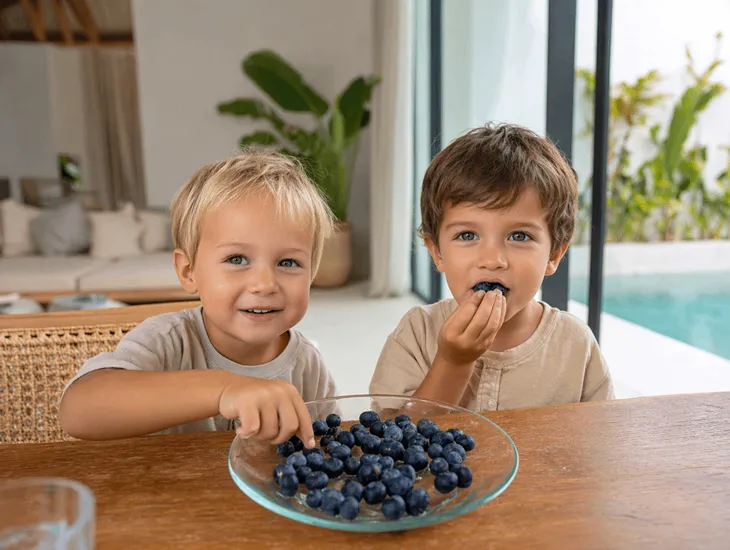
Fresh fruit pieces are always a reliable choice for midday energy. Offering sliced bananas, apples, or berries provides natural sweetness alongside essential dietary fiber for healthy digestion.
Vegetable sticks paired with a healthy dip are highly recommended. Serving carrot or cucumber sticks with hummus introduces excellent textures and vital nutrients into a young child’s diet.
Dairy products are also fantastic additions to any afternoon plate. A small glass of milk or a piece of string cheese delivers the calcium necessary for strong bone development.
Whole-grain crackers provide excellent energy. These complex carbohydrates sustain focus better than processed alternatives. Your Babysitter in Bali can offer these with natural cheese for a perfect afternoon bite.
Hard-boiled eggs are another convenient and nutritious option. They are packed with essential proteins and healthy fats that support brain development in young children living in Indonesia.
Understanding the Local Snack Environment
The commercial food market in Indonesia is saturated with ultra-processed products. Many local convenience stores heavily promote cheap items loaded with excessive sodium and artificial sweeteners.
Research indicates a troublingly high presence of these processed items in the diets of toddlers. Consuming these products regularly contributes to long-term health issues and poor cognitive performance.
Health organizations like the Ministry of Health publicly warn parents against relying on packaged convenience foods. Prioritizing nutritious, locally sourced ingredients is crucial during early growth periods.
A significant percentage of school-age children in Indonesia skip breakfast entirely. This alarming statistic places extra pressure on mid-morning and afternoon snacks to supply vital daily energy.
Expatriate families must be vigilant about what enters their pantry. Understanding these local market risks helps parents and caregivers make conscious, health-focused purchasing decisions every single week.
Navigating food labels in a foreign country can be highly confusing. A local caregiver easily identifies hidden sugars and unhealthy additives in products that appear healthy at first glance.
How a Caregiver in Bali Handles Food
A professional childcare provider does far more than simply watch your children. They are actively responsible for preparing and serving nutritious meals that align with your family goals.
Top agencies test their candidates on basic cooking skills and nutritional knowledge. This ensures that the caregiver can easily navigate both Western and local dietary preferences safely.
Reputable services require candidates to hold valid first aid certificates and undergo background checks. This professional standard guarantees that your child is safe during every single mealtime.
A structured daily routine managed by a Babysitter in Bali includes timely food preparation. This consistency prevents children from becoming overly hungry and throwing tantrums while parents work.
Knowing your caregiver understands proper food hygiene brings immense peace of mind. They will actively choose fresh fruits and eggs over heavily processed sweets from the local minimarket.
Professional caregivers also monitor portion sizes carefully. They understand that a toddler requires significantly different amounts of food compared to a primary school student.
Real Story: Beating the Sugar Rush in Canggu
Elena recently moved from Spain to Canggu and struggled to balance her remote work. Her four-year-old son, Mateo, constantly demanded sugary treats while she attempted to join video calls.
Sweat dripped down Elena’s neck in the stifling tropical heat. Mateo screamed and threw his toy blocks across the floor, crashing hard from his earlier chocolate biscuit binge.
She urgently needed quiet and contacted a reputable agency to hire a Babysitter in Bali. The agency sent Ayu, a highly experienced caregiver with certified nutrition and cooking skills.
Ayu immediately reorganized the kitchen, slicing fresh papaya and cucumber. When Mateo whined loudly for more cookies, Ayu calmly placed a brightly colored plate of fruit before him instead.
Within a week, the chaotic afternoon sugar crashes vanished completely. Elena finally finished her coding project in total silence, listening only to the gentle hum of the ceiling fan.
Elena realized that proper nutrition was the missing piece to her remote work puzzle. The investment in skilled childcare gave her back her professional momentum and personal peace.
Identifying Choking Hazards and Food Safety
Preparing Healthy Snacks for Kids requires strict attention to potential choking hazards. Hard, small, round, or sticky foods pose severe risks to toddlers and must be avoided entirely.
Public health agencies explicitly warn against giving popcorn to children under three years old. A Babysitter in Bali will always substitute this with safer, age-appropriate alternatives like soft fruits.
Food safety and hygiene are paramount in tropical environments. Caregivers must thoroughly wash their hands and sanitize all kitchen surfaces before preparing any meals for young children.
Foods must be cut into appropriate sizes and manageable textures. Grapes and cherry tomatoes should always be sliced lengthwise to eliminate any potential airway blockages during snack time.
Over-reliance on sugary drinks contributes to excess caloric intake and dental issues. Safe hydration should primarily consist of purified water or milk, avoiding commercial juices whenever possible.
It is crucial to monitor children actively while they eat. A professional caregiver always sits with the child during meals, ensuring they chew their food properly and swallow safely.
Smart Preparation and Portioning Strategies
Planning ahead is the most effective strategy for maintaining good nutrition. Keeping pre-portioned options ready in the fridge ensures that children reach for wholesome foods automatically.
A proactive Babysitter in Bali will wash, chop, and store vegetables every morning. This simple preparation eliminates the temptation to grab processed convenience foods when children suddenly become hungry.
Pairing food groups is a smart tactic for better satiety. Combining a sliced apple with almond butter provides a perfect balance of vitamins, healthy fats, and sustained energy.
Using snacks to fill specific nutritional gaps is highly effective. If a child skips breakfast, a mid-morning snack rich in protein helps replace those missed essential nutrients easily.
Written guidelines from parents help caregivers navigate specific dietary needs. Documenting all allergies and intolerances ensures the food prepared is always safe and appropriate for your child.
Utilizing reusable containers makes storing these portions highly convenient. Caregivers can quickly grab a sealed box of fresh berries before heading out for a morning walk to the beach.
Creating a Consistent Daily Nutrition Routine
Children thrive on predictable daily schedules and consistent routines. Serving meals at regular intervals prevents extreme hunger and reduces the likelihood of afternoon emotional meltdowns.
A dedicated caregiver enforces these structured routines effortlessly. They ensure that hydration and nutrition are prioritized, even when you are busy attending important remote business meetings.
Consistency reinforces family nutrition goals over the long term. When caregivers uphold your dietary rules, children learn to appreciate wholesome foods instead of constantly demanding sugary treats.
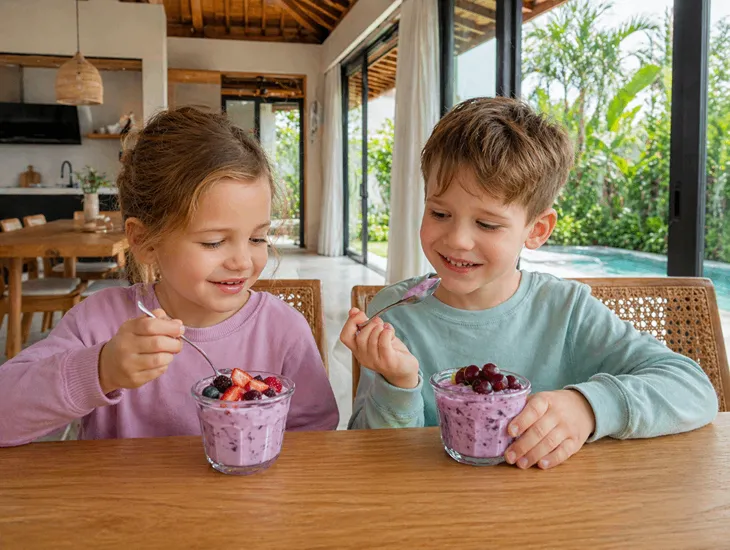
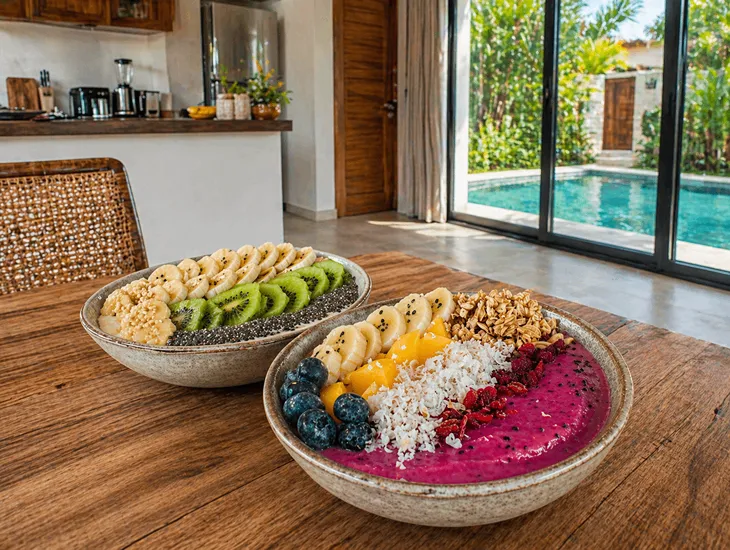
Serving nutritious bites should be a positive, stress-free experience. Beautifully arranged plates of fresh produce encourage picky eaters to try new textures and vibrant colors.
Investing in professional childcare ultimately supports your entire family’s well-being. It grants you the freedom to work efficiently while your children grow stronger and healthier every single day.
Making food fun is a great way to encourage healthy eating habits. A caregiver might cut fruits into interesting shapes to make the afternoon snack visually appealing and exciting.
FAQs about Healthy Snacks for Kids
Q: Why are snacks important for children?
A: They provide essential nutrients and sustained energy for growing children between main meals.
Q: What is the best snack combination?
A: Pairing fresh fruits or vegetables with a protein source like cheese or hummus is ideal.
Q: Can a professional caregiver prepare meals?
A: Yes, a Babysitter in Bali is fully trained in basic cooking and pediatric nutrition.
Q: Are there foods toddlers should avoid?
A: Yes, avoid hard, sticky, or round foods like popcorn to prevent dangerous choking hazards.
Q: How can a professional childcare provider help?
A: Caregivers maintain a strict feeding schedule and prepare safe, wholesome foods daily.
Q: Should kids drink juice with snacks?
A: No, health experts recommend serving plain water or milk to avoid excessive sugar intake.

