
Helicopter Parenting Signs: How Overprotection Affects Your Child in Bali
Parents naturally want to protect their children from harm. You invest endless energy into ensuring their complete safety and happiness. However, finding the balance between caring and over-controlling is difficult.
Constantly hovering over your child causes severe unintended consequences. You might accidentally stunt their emotional growth and independence. Over-involvement prevents them from learning vital problem-solving skills for their future.
This intense oversight creates immense stress for both you and your child. Children develop severe anxiety when parents micromanage their daily routines. Constant intervention strips away their natural self-confidence.
Recognizing Helicopter Parenting Signs is the crucial first step toward positive change. You must identify these behaviors to break the cycle. Acknowledging the issue allows you to implement healthier parenting strategies.
Stepping back feels frightening but yields incredible developmental benefits. Allowing safe failures teaches children profound resilience. You can find guidance on childhood development through resources provided by the Centers for Disease Control and Prevention.
Hiring a professional caregiver provides a safe space for independence. A qualified babysitter in Bali encourages autonomy while maintaining strict safety standards. Your child thrives when given supervised freedom to explore.
Table of Contents
Understanding Overprotective Behavior Basics
Overprotective behavior involves managing your child in an overcontrolling manner. Overprotective parents often try to control every aspect of their children’s lives. This intense involvement usually stems from deep love and fear.
Parents often fear that their child will fail or experience discomfort. They step in quickly to prevent any negative emotional experiences. This shielding prevents children from navigating natural life challenges.
When adults worry excessively about external validation, they often take their child’s academic performance personally. This pressure forces them to manage homework, friendships, and daily schedules aggressively. You must recognize this unhealthy dynamic.
Identifying these overprotective behaviors helps you modify your approach. You must separate your own anxiety from your child’s actual needs. True protection involves preparing them for the real world independently.
Overcoming these fears requires conscious effort and deep self-reflection. You must recognize that absolute control is impossible and unhealthy. Trusting your parenting foundation allows your child to grow properly.
Recognizing Helicopter Parenting Signs
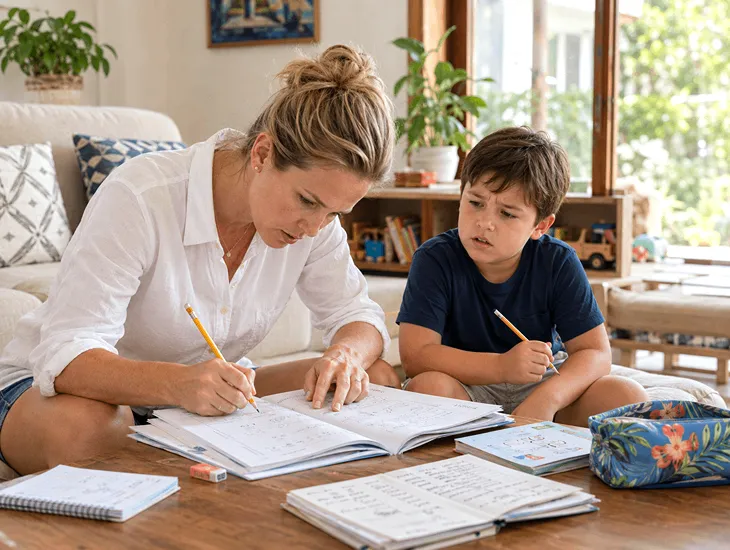
The most common Helicopter Parenting Signs involve overbearing daily involvement. You might dictate schoolwork, extracurricular activities, and social interactions constantly. This continuous presence conveys a lack of trust in their abilities.
Micromanaging daily tasks is another clear indicator of overprotection. You might complete their homework to prevent frustration. Doing simple chores for school-age children severely limits their personal growth and responsibility.
Fighting your child’s battles prevents them from developing conflict resolution skills. You might contact teachers or coaches whenever a minor disagreement arises. This immediate intervention deprives them of valuable social practice.
Guaranteeing success often means you solve all their problems instantly. You intervene to prevent setbacks and discomfort. These micromanaging tendencies show a refusal to let children experience natural consequences.
Limiting independence is another major red flag for parents. You might make every decision on their behalf to avoid errors. Shielding them from natural consequences creates a false sense of reality.

Negative Effects on Child Development
Constant hovering negatively impacts long-term child development significantly. Children become less able to manage the challenging demands of school environments. They often experience lower overall academic performance and productivity.
Emotional and mental health suffer when parents intervene constantly. Children display increased levels of anxiety and depression. They develop poor emotional regulation and highly ineffective coping skills over time.
These children often struggle with basic social adaptability. They have a harder time making friends and navigating peer relationships. A heightened sense of entitlement frequently appears in classroom settings.
These Helicopter Parenting Signs show why a child’s long-term development suffers. Overprotected children struggle intensely with new environments and routine changes. They remain unequipped to face the adult world without constant guidance.
Physical health can also decline due to extreme parental control. Studies link overparenting to higher recreational painkiller use later. These individuals lack the coping mechanisms required for healthy stress management.
Building Emotional Resilience
Resilience requires children to trust their own judgments completely. You must help them focus on their strengths and make responsible choices. They need opportunities to make safe mistakes and corrections.
Recognizing overbearing habits helps you build their confidence over time. You should point out their successes without causing shame during failures. Avoid pushing them to take on unreasonable burdens.
Connection provides the security needed for emotional growth. Allow your child to express a wide variety of emotions safely. Address family conflicts openly and work together to resolve problems.
Positive coping strategies are essential for daily survival. Create a family environment where talking and listening feel safe. Children must learn that their actions and choices have direct, manageable consequences.
Modeling generosity with your time and money builds strong character. Create specific opportunities for your child to contribute locally. Understanding the greater good helps them look beyond their immediate satisfaction.
Real Story: Fostering Independence in Bali
Marcus, a business consultant from Germany, relocated to Pererenan with his toddler. He constantly hovered over his son during playdates. He feared his child would get hurt or feel rejected.
His intense supervision caused his son to become highly anxious. The toddler refused to interact with other children without Marcus holding his hand. Marcus realized his protective instincts were causing harm.
He recognized these harmful patterns and sought professional help. He hired a highly recommended babysitter in Bali to assist. He wanted his son to experience supervised, gentle independence safely.
The caregiver encouraged the toddler to choose his own activities. She allowed him to negotiate small conflicts with peers safely. Marcus watched from a distance as his son’s confidence increased.
His son soon began initiating play with other children independently. Marcus finally felt comfortable stepping back and trusting the process. The professional support completely transformed their daily dynamic.
How a Babysitter in Bali Helps
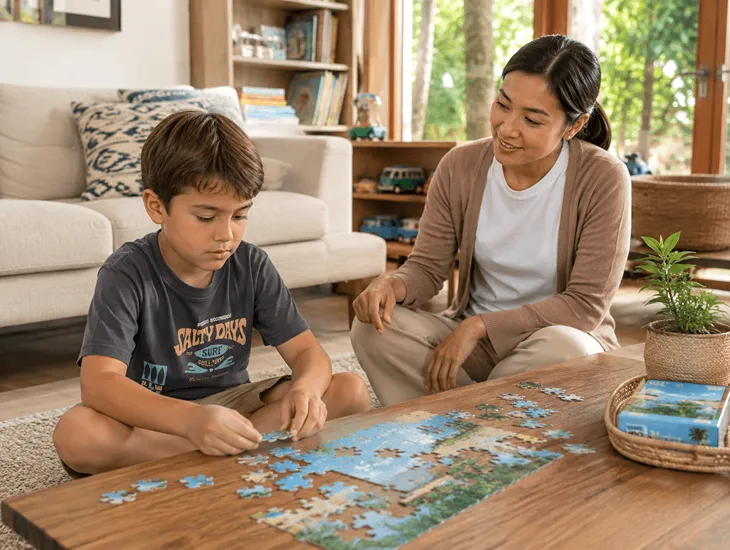
Professional caregivers provide a vital safe space for childhood autonomy. Babysitting allows children to experience gentle independence away from parents. They navigate their time securely while making their own choices.
These experts know how to mitigate intense hovering effectively. They let children take the lead during playtime to build confidence. This freedom builds strong executive functioning and emotional regulation.
Consistently interacting with a trusted adult improves social adaptability significantly. Children learn to communicate their needs with someone outside their family. They become much more flexible in various social settings.
A quality caregiver reinforces your established daily family routines consistently. Children feel secure knowing exactly what to expect. They willingly follow directions from non-family adults, practicing crucial cooperation skills.
Caregivers provide one-on-one attention that encourages open, honest communication. They support language development through active listening and imaginative play. Your child learns to trust themselves in a supportive, tailored environment.
Age-Appropriate Skills for Children
Infants can show preferences for specific toys and foods early. They can hold their own bottles and feed themselves finger foods. Create safe floor spaces where they can explore freely.
Toddlers can wash their hands and help with simple clean-up tasks. They can begin dressing themselves with minor assistance. Give them time to do these simple tasks on their own.
Preschoolers should use the bathroom independently and help set the table. They can sort laundry and clean up their belongings. You must resist the urge to redo their imperfect chores.
School-age children require opportunities to manage their own schedules. They should carry their lunch boxes and put away their shoes. Allow natural consequences when they forget items or make mistakes.
Parents must provide consistent opportunities for independent action. Offer choices by asking questions rather than making demands. Respecting your child as a capable person reduces unnecessary daily power struggles.
Practical Steps to Stop Hovering
You must actively work to eliminate Helicopter Parenting Signs daily. Give only a single reminder when necessary, then step back. Let your kids rise to the occasion without nagging.
Do not do tasks your child can do for themselves. Let them tackle small challenges like opening a snack packet. This builds necessary resilience and teaches them profound self-reliance.
Allow your children to fail and experience natural frustration. Children learn valuable lessons from making safe mistakes. You are not responsible for fixing every single negative feeling they experience.
Ask guiding questions instead of instantly fixing their problems. Facilitate their thought process so they learn to think critically. Teach them vital life skills rather than managing everything for them.
Determine whether a situation truly requires your immediate intervention. Evaluate the stakes before you step in to solve an issue. Never argue about your child’s behavior in front of them.
FAQs about Helicopter Parenting Signs
Q: What are the primary indicators of hovering?
A: Warning signs include micromanaging homework and fighting battles. Parents constantly prevent all failure.
Q: Does overparenting cause anxiety in children?
A: Yes. Constant intervention prevents children from developing coping skills. This leads to heightened anxiety.
Q: How can I stop controlling my child?
A: Step back and allow natural consequences. Focus on teaching life skills rather than doing everything.
Q: Can a babysitter help build child independence?
A: Yes. A professional caregiver provides a safe space for children. They practice autonomy away from parents.
Q: Why is failing important for child development?
A: Safe failures teach children resilience. They learn to navigate frustration without parental rescue.
Q: When should I intervene in my child’s conflicts?
A: Only intervene when physical safety is threatened. Otherwise, coach them to resolve conflicts safely.

