
Review Us
Helping Kids with Homework 2026 – calm evening routines, independent effort, no parent‑completed assignments, children learn through small mistakes and real practice.
author-2

Helping Kids with Homework: How to Support Without Doing It Yourself

Managing evening routines often turns into a daily battle. You want your child to succeed academically, but late-night struggles leave everyone feeling exhausted. Helping children with homework requires a careful balance of guidance.

Many parents mistakenly complete assignments to save time. This approach robs children of crucial learning opportunities. When you provide all the answers, teachers cannot identify your child’s actual academic strengths or their weaknesses.

True learning happens through productive struggle and small mistakes. Your role is to facilitate independent thinking, not to provide immediate solutions. Children must own their work to feel genuine pride in their achievements.

A professional caregiver transforms this stressful dynamic. They offer emotional neutrality during afternoon study sessions. A skilled caregiver provides structured guidance when your child is fresh, avoiding evening parent-child conflicts entirely.

Using evidence-based techniques changes how children view challenges. You can foster a growth mindset by praising effort over perfection. This approach builds long-term confidence, ensuring they tackle future academic hurdles with resilience.

Read official Indonesian child safety guidelines to understand developmental expectations. Aligning your support strategies with educational best practices ensures your child develops independent study habits that will serve them throughout their lives.

Strategy 1: Create a Supportive Environment

A dedicated study space is essential for focus. Establish a well-lit area away from television screens and loud music. Keep necessary supplies like pencils, paper, and erasers accessible to prevent interruptions during study time.

Consistency reduces daily resistance significantly. Schedule a regular study period every afternoon. Children thrive on predictable routines, making it easier for them to transition from playtime into focused academic work without constant nagging.

Energy management plays a critical role in concentration. Ensure your child has a healthy snack before beginning assignments. A hungry child cannot focus, so refueling their energy prevents frustration and shortens study time.

Avoid the chaotic evening rush whenever possible. Attempting complex math problems at seven o’clock usually leads to tears. After-school sessions, facilitated by a dedicated caregiver, ensure the child works while their mind is alert.

Minimize digital distractions completely during this block. Turn off notifications on tablets and keep smartphones in another room. This disciplined approach teaches children how to focus deeply on single tasks without constant stimulation.

Strategy 2: Model Learning Behavior

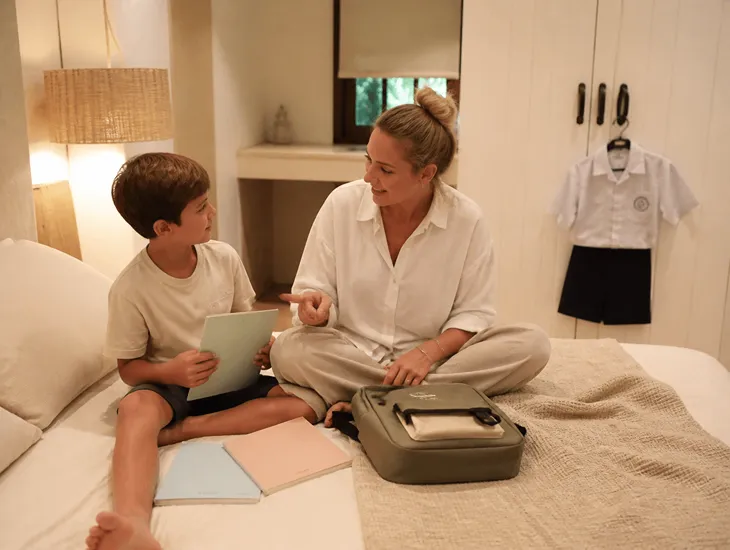
Helping children with homework 2026 – Modeling problem-solving strategies in Bali villa

Showing is always more effective than telling when Helping Kids with Homework. When your child encounters a difficult problem, sit down and demonstrate your thought process aloud. This technique models how to approach challenges methodically and calmly.

Use the “I Do, We Do, You Do” method effectively. First, solve a similar problem together, then let the child complete the next task independently.

This scaffolding builds genuine academic confidence. You gradually transfer responsibility to the student. They learn the mechanics of problem-solving without feeling abandoned or overwhelmed by the complexity of the new assignment given.

Do not hover anxiously while they work independently. Step back and allow them to grapple with the material. Productive struggle is where actual cognitive development and deep learning occur for your child.

Children observe your habits closely. If you value learning, they will too. Dedicate family time where everyone reads or works quietly, proving that focused study is a normal, valued part of your life.

Strategy 3: Break Tasks into Chunks

Large assignments easily overwhelm young students. When a project seems massive, children often shut down completely. Helping Kids with Homework means teaching them how to dissect big projects into manageable pieces safely.

Start by reading the instructions together carefully. Discuss what specific steps are required to finish the project. This collaborative planning phase reduces anxiety by clarifying exactly what needs to be done.

Create a visible timeline for completion. Write down the smaller chunks and estimate how long each will take. Working backwards from the deadline teaches invaluable time management skills they will use throughout education.

Encourage them to mark off completed sections. A physical checklist provides a satisfying sense of progression. Seeing their accomplishments visually motivates them to tackle the next small chunk with renewed energy and focus.

Schedule frequent, short breaks during heavy study sessions. A fifteen-minute physical break every hour resets their attention span. Stepping away for water or a quick stretch prevents burnout and maintains work quality.

Strategy 4: Guide Through Questions

When Helping Kids with Homework, resist the urge to provide immediate answers. Encourage your child to share their initial thoughts first. This simple technique forces them to engage with the material actively.

Use prompting questions to activate their prior knowledge. Instead of spelling a word for them, ask what spelling rules they learned recently. This guidance helps them retrieve information independently, strengthening their memory pathways.

Model a think-aloud process when they feel stuck. Ask them to identify what the question is truly asking. Guide their focus toward the necessary steps for a solution.

Co-construct understanding rather than taking over completely. If they are confused by a math concept, work through one problem collaboratively. Ask them to dictate the steps while you verify their reasoning gently.

Never do the work for them. A parent writing an essay teaches the child nothing. It only masks their skill gaps, preventing the teacher from providing the necessary support during regular classroom hours.

Strategy 5: Praise Effort Over Results

When Helping Kids with Homework, focusing only on grades creates anxiety. Instead, praise the dedication your child applies to the task. Limit focus on the final score; celebrate the persistence they showed during assignments.

Use specific, growth-oriented language daily. Acknowledge when they try multiple strategies to solve a problem. Say, “I love how you didn’t give up on that math sheet,” rather than simply calling them smart.

Ability-based praise can actually harm motivation. Telling a child they are a natural makes them fear failure. They may avoid challenging tasks just to maintain the illusion that everything is easy.

Reframe mistakes as essential learning steps. When they get an answer wrong, ask what they can adjust next time. This perspective teaches them that errors are not failures, but valuable feedback.

Celebrate their progress visibly. Post their hard work on the refrigerator, letting them choose which pieces to display. This public recognition of their effort reinforces their sense of ownership and academic pride.

Strategy 6: Allow Safe Mistakes

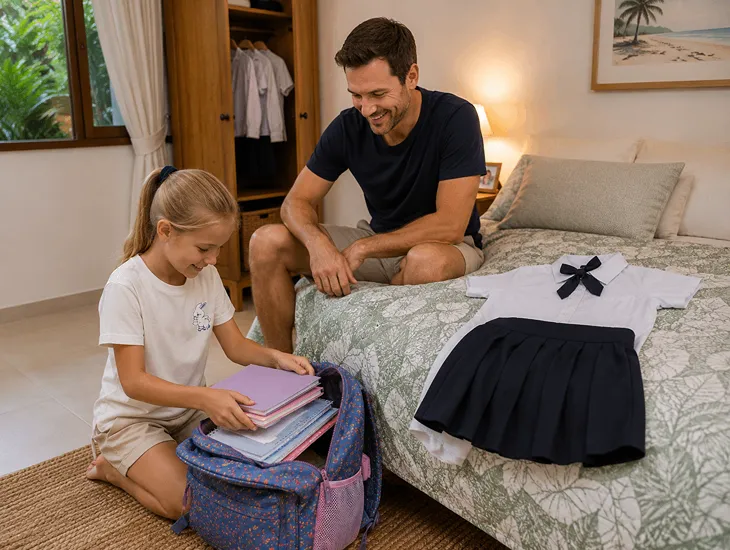
Helping Kids with Homework – allow safe mistakes, let children submit imperfect work, and give teachers real insight so kids build resilience and genuine academic growth.

Children cannot learn if they are never allowed to fail. Helping Kids with Homework requires stepping back. You must let them submit imperfect work so they experience the consequences of their efforts.

Teachers need to see authentic mistakes. If you correct every error, the teacher assumes the child has mastered the concept. This prevents the school from offering the specific help your child needs.

Allowing mistakes builds emotional resilience. A child who learns to handle minor academic setbacks becomes a stronger student. They develop the grit necessary to face harder challenges in higher educational levels later.

When they feel frustrated, do not rescue them immediately. Encourage them by reminding them of past successes. Ask them what strategies worked before, guiding them to rely on their own problem-solving toolkit.

A professional caregiver understands this balance perfectly. They provide a safety net without doing the heavy lifting. They encourage the child to try again, fostering independence rather than learned helplessness during study.

Strategy 7: Communicate with Teachers

Recognizing when struggling while Helping Kids with Homework indicates a deeper issue. If an assignment consistently takes three times longer than estimated, intervene. Prolonged frustration or tears require a teacher’s immediate attention.

Watch for physical signs of distress during study time. Squinting or frequent headaches might indicate vision problems. Inability to sit still could point to attention issues that need professional evaluation and support.

Do not hesitate to contact the school. Teachers appreciate parents who communicate openly about difficulties. Ask them if the time spent aligns with their expectations for the rest of the class.

Ask the teacher for guidance on appropriate support levels. Clarify how much help is too much for specific assignments. This ensures your home strategies align perfectly with the school’s educational philosophy.

Collaboration is the key to academic success. When parents, caregivers, and teachers work together, the child thrives. Open dialogue prevents misunderstandings and ensures the student receives the exact support they need.

Real Story: Study Success in Bali

The afternoon humidity in Canggu clung to the villa. Mark, a software developer from Canada, sighed as he heard his daughter, Sophie, crying over her fractions worksheet. It sat unfinished on the table.

Their evening routine for Helping Kids with Homework had become a source of constant friction. Sophie felt defeated by the complex problems. Mark’s impatience often led him to give the answers to end the ordeal.

Mark needed a better solution. He contacted our agency to request professional assistance. He needed someone with patience to handle these struggles during the afternoon hours before he finished his own work.

A caregiver arrived, bringing structured, play-based learning methods. She introduced visual aids to explain the fractions. She guided Sophie with patient questions rather than providing solutions, keeping the environment calm and focused.

Sophie started solving the equations independently. The caregiver praised her consistent effort, which built confidence in her own abilities. Mark returned home to a relaxed, happy house instead of a struggle.

He realized that professional, consistent support made a lasting difference in her learning journey. By separating his parental role from academic support, he preserved their relationship and Sophie’s love for school work.

FAQs about Helping Children with Homework

Q: Should I sit with my child while they work? 

A: Sit nearby to model focus, but do not hover over their shoulder constantly.

Q: What if they do not understand the math concepts? 

A: Use the “I Do, We Do, You Do” method to guide them without giving answers.

Q: How long should homework take? 

A: It varies by age, but if it consistently takes hours, contact the teacher immediately.

Q: Can a caregiver help with this? 

A: Yes, trained caregivers offer fresh patience and structured facilitation during afternoon hours.

Q: Why shouldn’t I correct all their mistakes? 

A: Teachers need to see honest mistakes to understand where your child needs classroom help.

Q: How do I praise them effectively? 

A: Always praise their effort, persistence, and strategy rather than just their natural intelligence.

Need help with Helping Kids with Homework, Chat with our team on WhatsApp now!