
Review Us
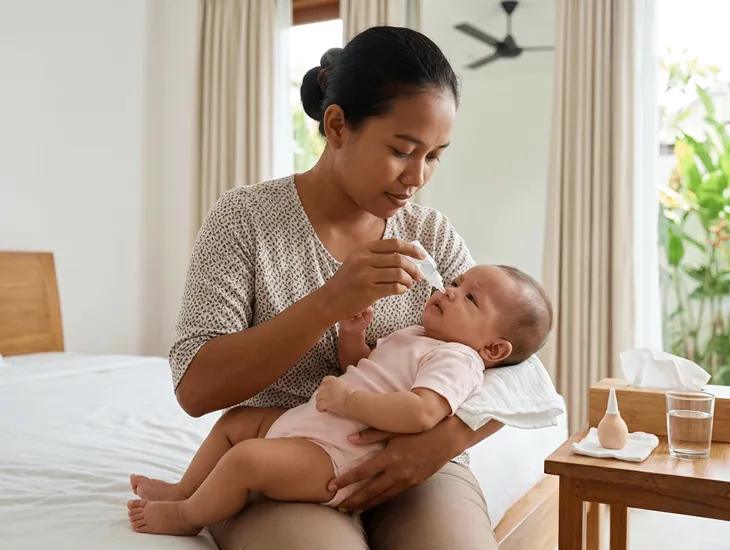
Helping Your Congested Baby 2026 – Babysitter in Indonesia administering saline drops safely
author-2

Helping Your Congested Baby: 6 Safe Relief Tips for Parents

Tropical living presents sudden health challenges for young families abroad. The constant shift between humid outdoor heat and intense indoor air conditioning triggers severe respiratory issues. These environmental changes can frequently irritate tiny nasal passages.

A blocked nose causes immense distress for infants trying to feed. They cry inconsolably because they cannot breathe properly while drinking milk. Parents feel completely helpless watching their child struggle for air continuously.

Sleep deprivation quickly compounds this incredibly stressful household situation. Parents lose crucial rest while endlessly monitoring their sick child through the night. This exhaustion affects your ability to work and function effectively.

Fortunately, safe and medically approved relief methods exist for infants. The Indonesian Ministry of Health emphasizes utilizing natural remedies rather than over-the-counter medications for young children. Proper care reduces immediate distress safely.

Implementing evidence-based strategies brings immediate comfort to your household. You can confidently manage minor respiratory symptoms using these proven pediatric techniques. Helping your congested baby requires patience and consistent, gentle intervention.

A trained childcare professional provides essential relief during these stressful periods. A reliable Babysitter in Bali understands exactly how to implement these safe practices. They offer peace of mind while you recover your own energy.

Saline Nose Drops and Gentle Suction

Using plain saline drops is the safest method available. Salt-water naturally thins the thick mucus blocking the nasal cavity. It contains no harsh chemicals that could irritate delicate internal tissues.

You should place two to three drops inside each nostril carefully. Wait several minutes to allow the salt-water to break down the blockage. This preparation makes the removal process much more effective.

Use a bulb syringe to gently extract the loosened mucus. Perform this routine fifteen minutes before scheduled feeds or bedtime. Clearing the airway beforehand ensures they can drink and sleep comfortably.

Never use medicated nasal sprays on young infants. Plain saline provides sufficient relief without exposing them to unnecessary pharmaceutical risks. Stick strictly to basic, unmedicated salt-water solutions always.

Avoid suctioning the nose too frequently throughout the day. Overuse quickly irritates and swells the sensitive nasal lining, worsening the blockage. Balance is essential for effective and safe mucus removal.

If suctioning causes intense crying, you must reduce the frequency immediately. A professional caregiver will monitor these reactions carefully. They adjust the treatment plan to ensure the child remains calm.

Using Humidified Air and Warm Steam

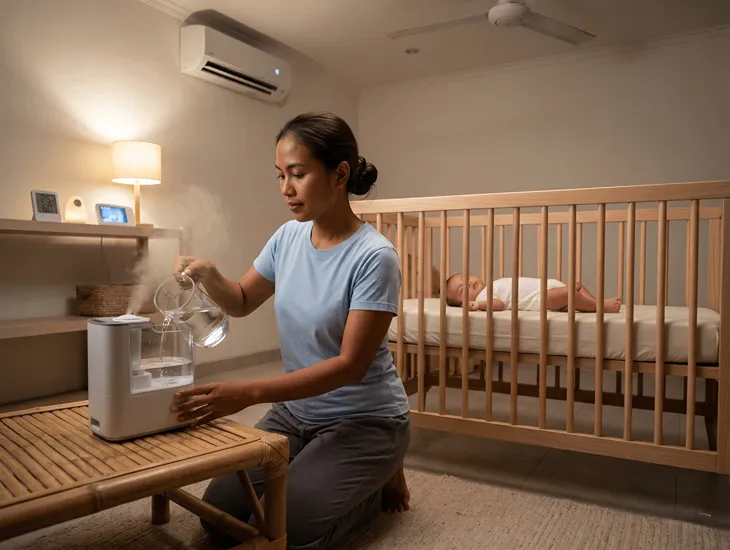
Helping Your Congested Baby 2026 – Babysitter in Bali preparing a cool mist vaporizer

Pediatricians strongly recommend using cool-mist humidifiers in the bedroom. Moist air effectively thins thick secretions, making breathing significantly easier for infants. This simple tool provides consistent overnight respiratory support safely.

You must change the humidifier water daily without exception. Clean the device thoroughly according to the manufacturer’s strict instructions. This prevents dangerous mold or bacteria from circulating in the air.

Alternatively, utilize a steamy bathroom to loosen stubborn mucus. Sit with your child while the hot shower runs nearby. The warm vapor opens their airways naturally and gently.

Always ensure the bathroom does not become uncomfortably hot. Monitor your child for any signs of overheating during the steam session. Safety must remain your absolute top priority during treatment.

Never use hot-water vaporizers near a young child. The risk of accidental scalds or severe burns is entirely too high. Cool-mist devices provide the exact same benefits with zero burn risk.

A vetted Babysitter in Indonesia manages these environmental tools safely. They ensure the devices remain out of reach while operating correctly. This professional oversight guarantees safe respiratory relief consistently.
Safe Upright Positioning and Feeding Support

Keeping a congested infant upright eases their breathing difficulties significantly. Gravity naturally helps drain the mucus away from their nasal passages. This position is particularly helpful immediately after they finish feeding.

You must offer smaller, much more frequent milk feeds. A blocked nose makes extended drinking sessions incredibly exhausting for them. Allow frequent pauses so they can catch their breath properly.

Never force-feed an infant who is actively struggling to breathe. Follow their cues and stop the feed if they become distressed. Hydration remains important, but safety during swallowing is paramount.

Despite the congestion, sleep safety rules remain absolutely rigid. Babies must always sleep flat on their backs on a firm surface. This position minimizes the terrifying risk of sudden infant death syndrome.

Do not use pillows to prop their head up in the crib. Elevating the mattress creates a dangerous and uneven sleeping surface. Helping your congested baby must never compromise basic sleep safety protocols.

A trained Babysitter in Bali holds the child upright safely. They manage waking hours to promote natural drainage effectively. This dedicated attention improves their overall comfort levels dramatically.

Maintaining Adequate Fluids and Deep Rest

Adequate hydration thins thick mucus better than any medication. Breast milk or formula provides essential fluids for infants under six months. Older babies can consume small sips of water safely.

Sick infants often require more frequent feeding sessions than usual. Their bodies expend massive amounts of energy fighting off minor viral infections. Keep offering fluids consistently throughout the entire day.

Rest is the ultimate healer for minor pediatric illnesses. The immune system requires deep sleep to overcome simple viral infections effectively. Quiet time accelerates their natural physical recovery process significantly.

Encourage frequent contact naps to soothe their intense irritability. Being held closely provides deep emotional comfort while they feel unwell. This physical connection reduces their stress and promotes deeper sleep.

Minimize loud noises and bright lights in their immediate environment. Create a calm sanctuary where their body can focus entirely on healing. Reducing external stimulation helps them relax much faster.

A professional caregiver excels at maintaining this peaceful environment. They manage quiet play activities that do not overexert the child. This dedicated support ensures your child receives the rest they desperately need.

Real Story: Beating the Sniffles in Seminyak

The rattling sound in her four-month-old son’s chest sent a wave of pure terror through Sarah. Every time he tried to nurse, he would unlatch gasping for air, his tiny chest heaving painfully.

She spent three exhausting nights pacing the dark villa in Seminyak. She was too terrified of his labored breathing to put him down. The sheer exhaustion of watching him struggle made her feel helpless.

Knowing she was too sleep-deprived to think clearly, she realized she needed someone experienced with pediatric health. She reached out to find a specialized childcare provider who understood infant respiratory relief.

A calm, experienced professional arrived and immediately assessed the nursery environment. She gently demonstrated how to administer saline drops and effectively use a bulb syringe without causing the infant further distress.

The caregiver also set up a cool-mist humidifier to keep the indoor air perfectly balanced during his naps. Knowing an expert was monitoring his breathing allowed Sarah to finally close her eyes.

Within two days, his tiny airways cleared, and he could finally feed without gasping. The dedicated, hands-on support not only eased his discomfort but brought immense peace back to their family.

Providing Fresh Air and Environment Control

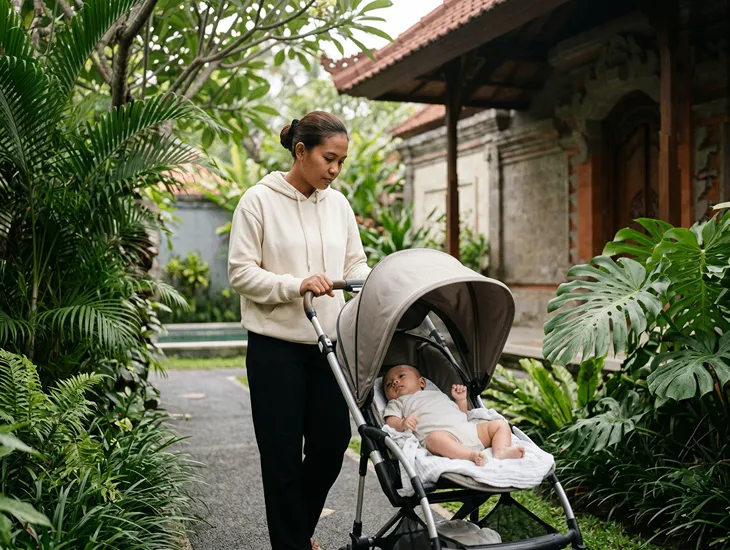
Helping Your Congested Baby 2026 – Babysitter in Indonesia walking a baby in a shaded stroller

Fresh air generally improves minor respiratory symptoms quite quickly. Short, shaded outdoor periods provide a welcome break from stagnant indoor air. Natural ventilation supports healthier breathing patterns for recovering infants.

You must always protect them from the intense tropical sun. Ensure they do not have a fever before taking them outside. Brief morning walks are ideal for safely enjoying the fresh air.

The local climate demands careful indoor temperature management continuously. Keep rooms comfortably cool but never freezing cold. Overly aggressive air-conditioning severely dries out delicate nasal passages rapidly.

Turn off ceiling fans that blow directly onto their face. Direct wind completely dries out the mucus membranes, worsening the blockage. Redirect the airflow to maintain a comfortable ambient room temperature instead.

Avoid exposing the child to any strong household odors. Chemical cleaning supplies and strong perfumes irritate sensitive respiratory tracts instantly. Maintain a clean, neutral-smelling environment to support their breathing.

A knowledgeable Babysitter in Bali manages these environmental factors proactively. They adjust the air-conditioning and fan settings to create an optimal healing space. This detailed control accelerates your child’s recovery process.

Avoiding Unsafe and Dangerous Treatments

Over-the-counter cold medicines are strictly prohibited for young children. These pharmaceutical products pose severe, life-threatening risks to infants and toddlers. Never attempt to suppress their symptoms using adult cold remedies.

Do not use adult decongestant sprays under any circumstances. These powerful sprays damage the delicate tissues inside a baby’s nose permanently. Only use plain saline drops as explicitly directed by pediatricians.

Avoid applying essential oils directly to their skin or face. Strong eucalyptus rubs can trigger severe respiratory spasms in infants. Consult a doctor before using any strong local herbal remedies.

Never place thick blankets or wedges inside their crib. Attempting to prop them up with soft bedding significantly increases the risk of suffocation. The crib must remain completely bare for ultimate nighttime safety.

Do not attempt DIY medical treatments found randomly online. Helping your congested baby requires following established, evidence-based pediatric guidelines exclusively. Unverified methods often prolong the illness and cause unnecessary harm.

Our professional caregivers follow a strict, evidence-based safety protocol. They explicitly refuse to administer unprescribed medications or use dangerous sleep props. This unwavering commitment guarantees your child remains completely safe.

When to Call a Doctor Immediately

Knowing when to seek urgent medical attention is absolutely vital. If an infant under three months old develops a fever, call a doctor. A temperature above 38 degrees Celsius requires immediate professional evaluation.

Seek help if a fever lasts longer than two days. If the child stops drinking fluids, dehydration becomes a critical emergency rapidly. Very few wet diapers indicate they need urgent medical intervention.

Contact a pediatrician if the blockage lasts beyond three weeks. Thick, persistent nasal discharge that refuses to clear requires professional examination. These symptoms might indicate a secondary bacterial infection needing antibiotics.

Go to the emergency room if they struggle to breathe. Rapid, labored breathing or blue lips signify a severe lack of oxygen. Never hesitate to seek emergency services if breathing becomes highly distressed.

Watch closely for signs of severe ear pain constantly. Repeated ear pulling alongside crying suggests a painful secondary ear infection developing. A doctor must examine their ears to prescribe appropriate treatment.

A vigilant Babysitter in Indonesia monitors these specific red-flag symptoms. They understand our strict escalation protocols and will contact you immediately. This rapid response ensures your child receives medical care promptly.

FAQs about Helping Your Congested Baby​

Q: What is the safest way to clear a blocked nose? 

A: Using plain saline drops followed by gentle bulb suction is the safest and most effective method.

Q: Can I use a humidifier to help them breathe? 

A: Yes, a cool-mist humidifier adds moisture to the air and thins thick mucus effectively and safely.

Q: Should I prop my baby up with pillows at night? 

A: No. Babies must always sleep flat on their backs to prevent severe and dangerous suffocation risks.

Q: Are over-the-counter cold medicines safe for infants? 

A: No. Cold and cough medications are highly dangerous and strictly prohibited for young children and infants.

Q: When should I take my child to a doctor? 

A: Seek immediate help for high fevers, labored breathing, or if they suddenly stop drinking fluids entirely.

Need assistance with Helping Your Congested Baby, Chat with our team on WhatsApp now!