
Review Us
Beyond Nasi Goreng in Bali 2026 – villa cook hygiene, Bali belly prevention and Western kids’ meals
author

Hire a Villa Cook to Avoid Bali Belly with Picky Kids

Families traveling to the tropics often face “Bali belly,” a distressing condition caused by contaminated food. For parents of picky eaters, the risk is higher as these children rely on snacks or drinks with lots of ice, which are more likely to carry bacteria. 

Because their immune systems are still developing, children are much more susceptible to the risks of dehydration.

It can be frustrating to realize that even high-end restaurants might wash produce in tap water during busy rushes. Relying on unverified kitchen standards leaves your family health to chance, forcing you to micromanage every bite. 

The fear of illness creates a high-stress holiday environment that detracts from the quality time you planned to spend with your loved ones.

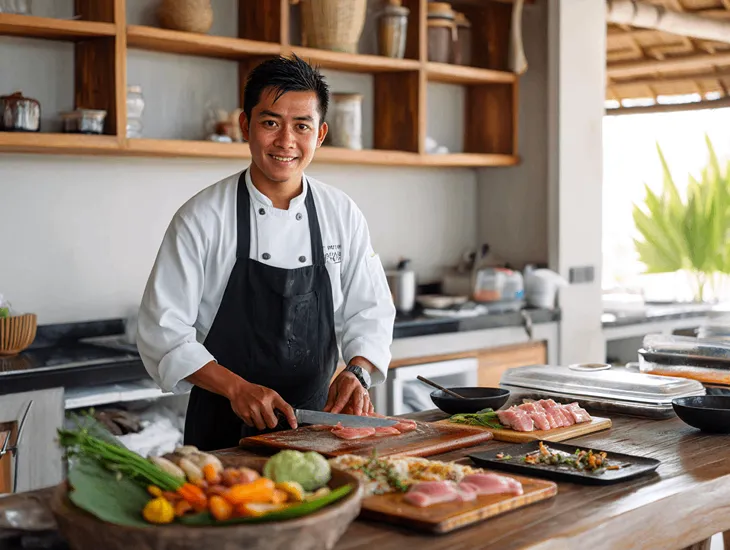
A great solution is to hire a professional villa cook who follows strict hygiene rules and understands pediatric needs. Following professional food safety guidelines for Indonesia allows you to provide nutritious, kid-friendly meals in a controlled environment. 

By employing Villa Cooks in Bali, you regain control over ingredients and water sources while ensuring your children stay healthy and energized throughout their stay.

Pediatric Vulnerability and the Dehydration Risk

The medical reality of travelers’ diarrhea is a significant concern for parents visiting with young children. Contaminants in local water sources can quickly compromise the digestive health of those whose bodies are still building natural defenses. 

Children possess lower fluid reserves, which means vomiting and diarrhea lead to dangerous dehydration levels fast.

Young children find it harder to fight off common bacteria like E. coli. Pediatricians at specialized travel medicine clinics in Bali emphasize that the primary danger lies in fluid loss rather than the infection itself. 

Managing a sick child abroad is a logistical nightmare that requires constant monitoring and potential hospital visits.

Picky eaters are at greater risk because they gravitate towards simple foods like raw fruit washed in tap water. They might also demand ice-heavy smoothies from vendors where filtration standards are not guaranteed. 

Using professional culinary help eliminates these variables by ensuring only bottled water is used for all food preparation tasks.

Hygiene Standards for Villa Cooks in Bali

Beyond Nasi Goreng in Bali 2026 – clean, separate, cook and chill habits inside your villa kitchen

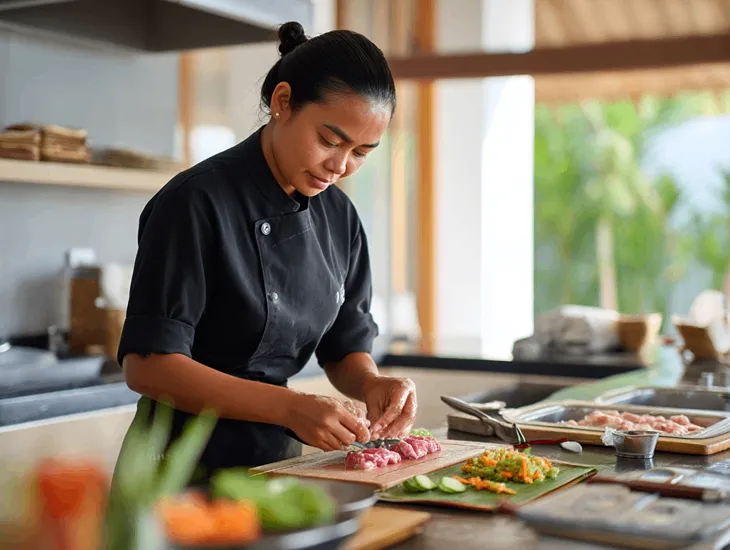
Professional food preparation in a private setting requires adherence to strict personal and environmental hygiene standards. Every cook should engage in frequent handwashing with soap, specifically after using a phone or handling raw meat. 

These actions form the primary defense against cross-contamination that leads to stomach upsets in small children.

A dedicated cook must maintain a separation between raw and ready-to-eat foods by using color-coded chopping boards. 

Poultry and meat must be cooked thoroughly to internal temperatures that kill harmful bacteria. Using bottled water for rinsing produce and cleaning baby utensils prevents exposure to local tap contaminants.

Sanitizing surfaces and replacing kitchen sponges regularly ensure the workspace remains sterile and safe for daily use. Professional Villa Cooks in Bali are trained to recognize that the tropical climate accelerates bacterial growth. 

By maintaining a clean workspace and refrigerating items promptly, your culinary team ensures family health.
Preferred Credentials for Staff in Bali

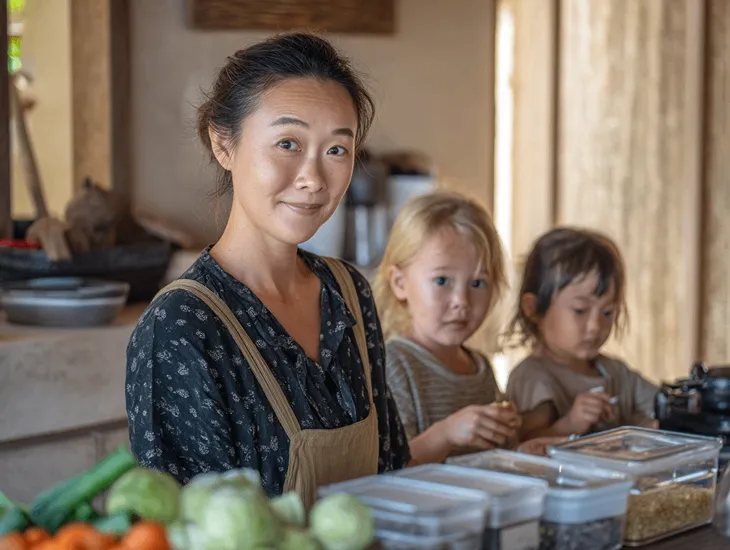
Finding the right staff involves verifying their background and competency in handling food for international families. You should prioritize candidates who can provide a recent police background check to ensure they have a clean record. Asking for proof of health screenings and current vaccinations is also a prudent safety step.

Demonstrated competency in food handling is more valuable than a generic resume for private culinary roles. Look for cooks who can explain their cross-contamination prevention techniques and their experience with Western children. 

Some agencies provide basic first aid training for their staff, which is a significant advantage in a family setting.

Always request contactable references from previous expatriate families to verify reliability, punctuality, and adherence to safety rules. Written testimonials from reputable management companies provide a layer of trust that social media hires cannot offer. A good cook will be transparent about their hygiene routines and welcome a kitchen inspection.

Step-by-Step Process to Hire Cooks in Indonesia

The first step in the hiring process is to clearly define your family needs and any specific allergies. Decide if you need a full-time live-in professional, a daily breakfast service, or ad-hoc chef nights. Understanding the frequency of service helps you choose the right sourcing channel and ensures a candidate is available for your stay.

Utilizing licensed nanny or babysitting agencies that offer culinary services is the safest route for families prioritizing security. V

illa management companies and professional concierge services also maintain rosters of vetted private chefs accustomed to high-end rentals. Avoiding random hires from unverified groups reduces the risk of employing someone without proper training.

Once you have a shortlist, conduct a preliminary screen via video call to discuss experience with picky eaters. Arrange for a trial meal in your villa kitchen so you can observe their handwashing habits and general cleanliness. This trial period is the perfect time to set rules and ensure the cook is comfortable with your equipment.

Writing Effective House Rules for Food Safety

Establishing a set of non-negotiable written house rules is essential for maintaining safety when employing domestic help. Your primary rule must be a strict bottled water policy for all cooking, drinking, and ice-making tasks. You must explicitly state that tap water is never to be used for consumption or for washing fruit.

Specify that no raw milk or unpasteurized juices should be served to children, as these carry dangerous pathogens. All fruit must be washed in purified water and then peeled, and you should forbid the purchase of pre-cut fruit. Providing clear boundaries on where ingredients are sourced from helps prevent the introduction of contaminated items.

Ensure there is a clear separation between the spicy dishes for adults and the mild versions made for toddlers. Request that the cook avoids using double-dipping spoons for tasting and maintains high surface sanitization levels. Having these rules in writing prevents cultural misunderstandings and empowers the cook to maintain your required standards.

Age-Appropriate Meal Ideas for Picky Toddlers

Beyond Nasi Goreng in Bali 2026 – villa cook routines, clear rules and safer leftovers for kids

For toddlers aged one to three, the focus should be on soft, easily digestible foods like rice porridge. Peeled fruits like bananas and papaya provide essential vitamins without the risk of waterborne illness associated with unpeeled varieties. 

Scrambled eggs are another safe, nutrient-dense option that most young children will accept if cooked thoroughly.

Early school-age children enjoy “safe” versions of their favorite meals, such as pasta with simple tomato sauces. Involving picky eaters in supervised kitchen tasks, like decorating a fruit platter, can increase their willingness to try things. 

These activities turn mealtime into an educational experience and help children understand the importance of hygiene.

Older kids and teenagers should be taught the basics of food safety to make informed choices outside the villa. 

Encouraging them to stick to hot, freshly cooked meals and avoid street ice helps them stay well. By providing a safe home base with high-quality meals, you ensure even adventurous eaters have a healthy foundation.

Real Story: The Uluwatu Hygiene Turnaround

Maya never thought she would spend her Uluwatu sunset in a fluorescent-lit clinic. She had come to Bali for the beaches and the peace, but a single bowl of pre-cut fruit changed everything. 

Watching her toddler battle a severe fever, Maya realized that her “picky eater” strategy of letting him graze on street snacks had backfired.

The quiet holiday she had planned was suddenly a blur of medical charts and panic. Desperate to salvage the rest of their trip, Maya used a professional agency to find the best Villa Cooks in Bali

They hired Ibu Ketut, who arrived with a clear understanding of pediatric food safety and a strict water protocol. Ketut immediately reorganized the kitchen, sanitized every surface, and prepared mild meals that the children loved.

The transformation was immediate as the fear of the next meal disappeared, allowing the family to enjoy the Bukit views. Maya stopped worrying about every ice cube and instead focused on making memories with her children. 

By the end of the week, the kids were energetic, proving that controlled kitchen standards are an essential investment for traveling families.

Cultural Etiquette and Communication Strategies

Understanding the cultural nuances of seasoning is vital when communicating with local cooks who default to using chili. You must be very specific about “no spice” and provide examples of what your children typically enjoy at home. 

Clear communication about flavor ensures that the nutritious food prepared by your team is actually consumed.

Food sharing norms in Indonesia can be more relaxed, so it is important to clarify your expectations regarding separate plates. Explain that you prefer children to have their own dedicated serving utensils to prevent the spread of germs. 

Setting these expectations early maintains a high hygiene level and prevents unintentional lapses during busy mealtimes.

Be aware that some staff may assume tap water is acceptable for washing items that will be cooked. You must explicitly reiterate your house rules and provide a sufficient supply of bottled water to make compliance easy. 

Providing a supportive environment where the cook feels comfortable asking questions will lead to a successful stay for everyone.

FAQs about Villa Cooks in Bali

Q: Is it safe to eat raw salads prepared by a private cook? 

A: Yes, provided the cook follows your strict house rules and washes all salad leaves in verified bottled water.

Q: Do I need to provide the cook with specific cleaning supplies? 

A: It is best to provide high-quality dish soap and sanitizing sprays to ensure the cook has the tools needed.

Q: How do I handle food allergies with a local cook? 

A: You should provide a written list of allergies in both English and Bahasa Indonesia to ensure total understanding.

Q: Do Villa Cooks in Bali handle the grocery shopping? 

A: Most cooks include grocery shopping as part of their service, allowing them to select the safest ingredients from local markets.

Q: What should I do if the cook uses tap water by mistake? 

A: You should calmly remind them of the house rules and replace the contaminated food immediately to prevent any health risk.

Q: Do private cooks typically provide their own equipment? 

A: Most cooks will use the equipment available in your villa, though some may bring specialized tools for specific meal preparation.

Need help finding safe Villa Cooks in Bali, Chat with our team on WhatsApp now!