

Review Us
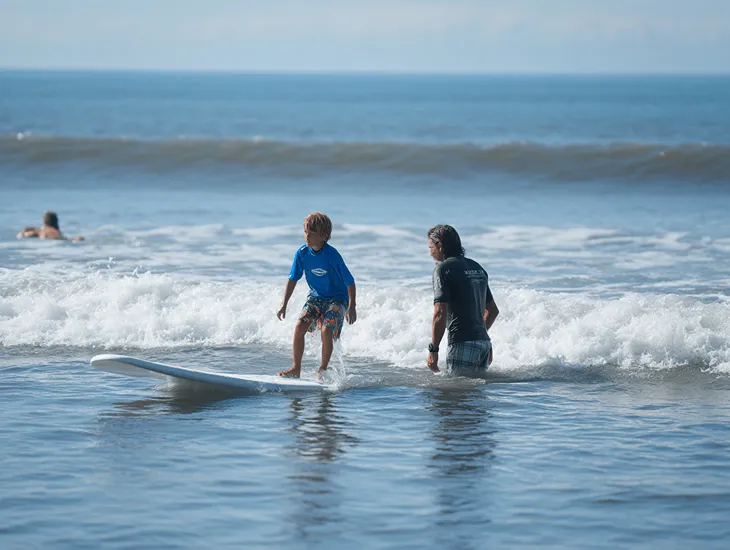
Surfing Safety in Indonesia 2026 – A certified instructor teaching a young child how to balance on a soft foam surfboard.
author-2

Kids’ Surf Lessons at Kuta Beach in Bali: A Parent’s Guide to Safety and Fun

Many expat families visiting Indonesia wonder if the popular southern beaches are appropriate for young beginners. The allure of the ocean is strong, but the unpredictable nature of tropical waters creates significant hesitation. 

Parents often worry about the lack of standardized safety regulations among local vendors. Without proper guidance, placing a child in the ocean feels like an unnecessary risk. This anxiety prevents families from enjoying classic activities. 

Crowded line-ups and sudden rip currents further complicate the decision-making process. Unvetted instructors without formal life-saving credentials expose children to severe dangers. The prospect of a holiday emergency terrifies responsible guardians. 

However, when conditions are right, structured youth surf programs provide an excellent introduction to the sport. The mellow waves and sandy bottom create a forgiving environment. It is a rewarding experience when managed correctly. 

Consulting the Indonesian Lifeguard Association guidelines helps parents identify legitimate schools. Reputable academies prioritize ocean safety over aggressive wave-catching. This organized approach minimizes risk and maximizes fun. 

This comprehensive guide explores the essential factors for a secure aquatic experience. We examine instructor certifications, equipment standards, and the crucial role of parental supervision. Ensure your child’s next adventure is both thrilling and safe.

Assessing the Daily Ocean Conditions

The safety of these aquatic sessions depends heavily on daily weather and swell patterns. During small swells, the area offers consistent, gentle waves perfect for novices. It is a highly forgiving environment. 

Conversely, large swells generate powerful currents and dangerous rips along the shoreline. These conditions are extremely hazardous for inexperienced swimmers and young children. Checking local forecasts is an essential daily routine. 

Parents must avoid scheduling activities during high tides accompanied by strong offshore winds. These factors increase the likelihood of children being pulled into deeper water. An organized approach prevents easily avoidable accidents. 

Crowded line-ups present another significant risk factor. High tourist volume increases the chance of dangerous collisions between novice riders. Opting for early morning sessions often mitigates this specific hazard effectively.

Core Safety Curriculum in Beginner Programs

Ocean Safety Briefing 2026 – An instructor demonstrating how to cover the head when falling off a surfboard.

Legitimate academies explicitly include comprehensive safety education within their core curriculum. Before touching the water, children learn vital self-preservation techniques. This structured learning process builds necessary confidence. 

Instructors teach students how to fall safely away from their boards. They also explain how to escape unwanted waves effectively. This knowledge is crucial for managing the unpredictable nature of the ocean. 

Safe entry and exit points are identified to avoid hidden rips. The emphasis remains on fun and basic board control rather than aggressive maneuvers. This professional approach protects young and developing bodies. 

Reputable schools never pressure children to perform beyond their comfort zones. They prioritize gradual skill acquisition over rapid advancement. This cautious methodology is the hallmark of a high-quality academy.
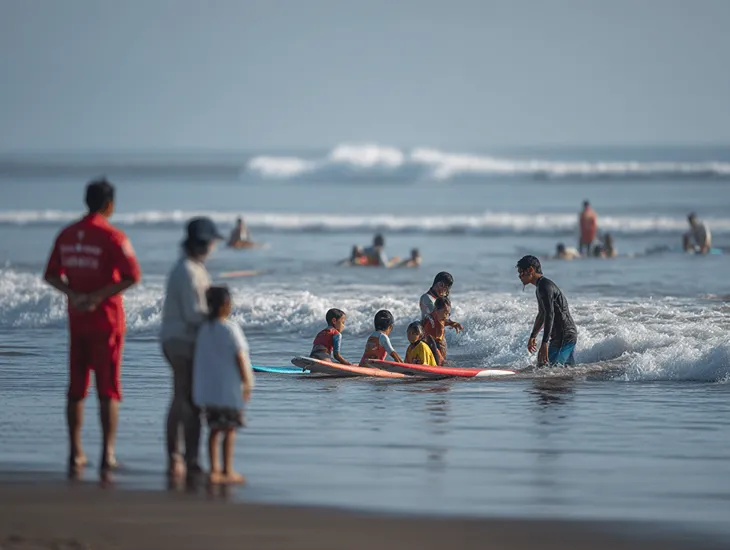
Standard Structure of a Youth Training Session

A typical training session lasts between ninety minutes and two hours. It begins with a thorough land-based briefing covering ocean etiquette and safety rules. This establishes a disciplined tone for the activity. 

Students practice paddling and the pop-up motion on the sand first. This repetitive dry-land training builds muscle memory before encountering moving water. It is a highly efficient teaching strategy. 

The instructor then guides the child into waist-deep water. They provide immediate physical support if the child loses balance. This close proximity ensures rapid intervention during any potential struggle. 

Instruction is carefully adapted to the child’s age and swimming ability. Younger kids remain in the calmest, shallowest zones available. They are never expected to paddle out independently during initial lessons.

Identifying Vetted and Certified Instructors

Choosing the right school is the most critical decision for parents. Many reputable camps advertise lifeguard-trained instructors with international safety certifications. These credentials verify their ability to handle aquatic emergencies. 

Standard student-to-instructor ratios usually hover around four to six students per adult. Smaller groups allow for closer supervision and individualized feedback. This organized structure significantly reduces the risk of accidents. 

Unfortunately, quality screening standards are not confirmed for informal beach vendors. Many operate without permits or formal first-aid training. Relying on unvetted operators is a dangerous gamble for families. 

Parents must actively check for clear signage, official school names, and positive online reviews. Asking direct questions about specific life-saving certifications is mandatory. Never assume every person with a board is a qualified teacher.

Real Story: Marcus’s Safe Surfing Experience in Legian

Marcus traveled from Canada to a private villa in Legian. He wanted his seven-year-old son to learn how to ride the waves safely. However, the chaotic beach environment made him extremely anxious. 

The sound of the crashing surf and the aggressive vendors left Marcus feeling overwhelmed. He worried about hidden currents and the lack of visible lifeguards. He almost canceled the entire activity out of fear. 

He used the babysitter in Bali network to find a specialized childcare assistant. The assistant understood local beach safety and recommended a fully licensed academy nearby. This expert advice provided immediate relief. 

The certified instructor kept his son in waist-deep water, providing constant support. The assistant managed hydration and sun protection on the sand. The afternoon was highly successful, and Marcus felt completely secure.

Age-Appropriate Limits and Equipment Standards

Soft Top Surfboards 2026 – A line of thick foam surfboards designed to prevent impact injuries for beginners.

Most structured programs accept children aged six and older. However, some schools allow four-year-olds if they are competent swimmers and closely supervised. These younger children require constant, arm’s-length physical support. 

Reputable schools provide thick foam boards specifically designed for learners. These soft-tops significantly reduce the risk of blunt force trauma during falls. Utilizing appropriate gear is a non-negotiable safety standard. 

Mandatory leashes keep the board tethered to the student’s ankle. This prevents runaway boards from striking other individuals in the crowded water. It is a basic but vital safety mechanism. 

Sun-protective clothing, such as long-sleeved rash guards, is strongly recommended. These garments prevent severe sunburns and painful board-related skin abrasions. Proper attire ensures a comfortable and healthy experience.

The Crucial Role of Parental Supervision

Instructors manage the technical aspects of the lesson, but parents must remain vigilant. Guardians are required to stay on the beach in clear view. You must be ready to respond immediately if needed. 

Before the session, explicitly brief your child on the importance of listening to the instructor. Emphasize that they must never swim alone or wander away. Clear boundaries prevent dangerous misunderstandings. 

Parents should actively monitor their child’s fatigue levels from the shore. Dehydration and exhaustion occur rapidly in the intense tropical heat. Do not hesitate to end the session early if necessary. 

Never assume that an instructor replaces your ultimate parental responsibility. Maintaining active visual contact is the most effective way to ensure safety. This proactive stance is essential for peace of mind. 

Practical Steps for a Secure Beach Day

Preparation is the foundation of a successful and safe beach outing. Begin by verifying the day’s weather and wave forecasts online. Avoid days with large swells or strong offshore winds entirely. 

Select a licensed academy with transparent safety protocols and certified staff. Confirm that they use soft-top boards and maintain low student-to-teacher ratios. This diligence protects your family from unregulated operators. 

Ensure your child is adequately hydrated before entering the water. Apply broad-spectrum sunscreen generously to protect against intense UV radiation. The tropical sun is unforgiving, even on cloudy days. 

Plan for a short initial session lasting no more than ninety minutes. Building endurance gradually prevents severe physical exhaustion. An organized and cautious approach guarantees a positive introduction to the sport.

FAQs about Kids’ Surf Lessons at Kuta Beach​

Q: What is the best age to start?

A: Most schools recommend starting around age six, provided the child is a confident swimmer.

Q: Are the waves always safe?

A: No. Conditions change daily. Always check the swell forecast and avoid large, powerful waves.

Q: Do I need to stay on the beach?

A: Yes. Parents must remain actively supervising from the shore during the entire session.

Q: What equipment should the school provide?

A: They must provide soft-top foam boards and ankle leashes to minimize impact injuries.

Q: How do I know if an instructor is qualified?

A: Ask directly for proof of lifeguard or international surf-rescue certifications before booking.

Q: Should my child wear a rash guard?

A: Yes. Rash guards protect against severe sunburns and painful friction from the board.

If you need a reliable babysitter to handle breaks, snacks, and supervision during Kids’ Surf Lessons at Kuta Beach, chat with our team on WhatsApp now!