
Review Us
Teenagers making a difference in Bali 2026 – Expat and local youth working together on a coastal reef restoration project
author-2

Kids Who Care in Bali: Teenagers Making a Difference in Bali

Expat families often find teenagers struggle to engage with the local community during long-term travel. Screen time frequently replaces outdoor exploration for young residents. This disconnect limits personal growth and cultural understanding in Indonesia.

Youth often observe local culture without active participation. They visit beaches but miss the island’s environmental challenges. Without a clear purpose, their stay feels superficial and consumptive.

Active participation develops leadership and problem-solving skills needed for the future. Initiatives for teenagers making a difference in Bali offer a productive path for engagement. Programs focusing on conservation empower young people to lead.

Enrolling in professional childcare standards approved programs ensures safety for every participant. These roles build character and technical skills. Young changemakers gain a sense of purpose and achievement.

The island provides specific venues for youth-led social impact. You can find professional environments that blend tropical living with meaningful service. Identifying the best spots simplifies your family logistics.

Master the official youth volunteer guidelines for a secure experience. This guide reviews venues for a secure tropical holiday. Prepare for a stress-free family trip to the archipelago.

Environmental Leadership in Indonesia

The island faces significant waste challenges annually. Local youth leaders started movements to ban single-use plastics. These efforts show the impact of young changemakers in the region.

Young people organize beach cleanups and awareness campaigns. They work with schools to implement better recycling systems. These actions protect the natural beauty of the archipelago.

Participation builds a sense of environmental stewardship. Teens learn about the waste management systems in Indonesia. They become advocates for a sustainable future.

Collaborating with local waste banks provides practical insights. Students see how debris is processed and repurposed. This knowledge empowers them to create local solutions.

Teenagers learn to categorize plastics for industrial recycling. They understand the difference between high-density and low-density materials. This expertise allows them to lead community sorting initiatives.

Mentoring younger children in schools creates a ripple effect. Teens present at assemblies to share sustainable living tips. This educational leadership builds confidence and public speaking skills.

Youth Empowerment Workshops in Bali

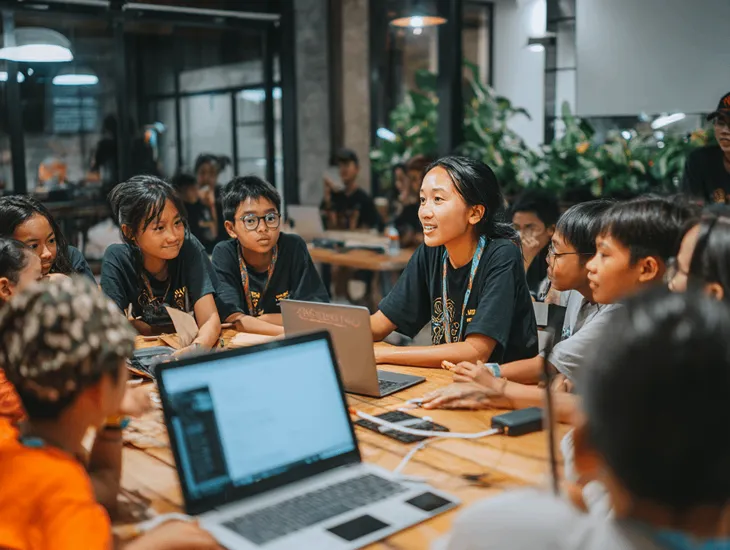
Teenagers making a difference in Bali 2026 – Youth leadership workshops, community project planning, and changemaker training for expat teens

Training platforms offer specific courses for aspiring young leaders. They host workshops on project management and communication. These skills are essential for teenagers making a difference in Bali.

High school students join local masterclasses to learn social impact scaling. This platform connects youth with mentors and global networks. Training focuses on practical solutions for local problems.

Students gain the tools to launch their own initiatives. This empowerment creates a legacy of active citizenship. Strategic planning addresses education and environmental gaps effectively.

Workshops often use peer-to-peer learning models. Experienced youth activists share their journey with new participants. This creates a supportive environment for innovation.

Teens develop digital marketing skills to promote their causes. They learn how to use social media for advocacy. This technical training prepares them for future professional careers.

Critical thinking is a core component of these sessions. Students analyze root causes of social issues in the archipelago. They design interventions that are culturally sensitive and effective.
Education Support and Student Mentoring

Mentoring programs connect expat teens with local students. They assist with English conversation and computer skills. This exchange benefits both the tutor and the learner.

Foundations focus on providing education pathways. Older teenagers serve as role models for disadvantaged youth. Their support encourages younger students to remain in school.

These roles require a commitment to regular attendance. Consistency builds trust between the mentor and the student. It is a rewarding way to spend time in the tropics.

Tutoring sessions often take place in community learning centers. These hubs provide a safe space for academic growth. Helping a peer succeed builds lasting social bonds.

Tutors often create their own lesson plans for sessions. They use interactive games to teach vocabulary and grammar. This creative approach keeps local students engaged and motivated.

Mentors gain patience and cross-cultural communication skills. They understand the challenges faced by local students daily. This perspective is a valuable asset in our globalized world.

Marine Conservation Service Roles

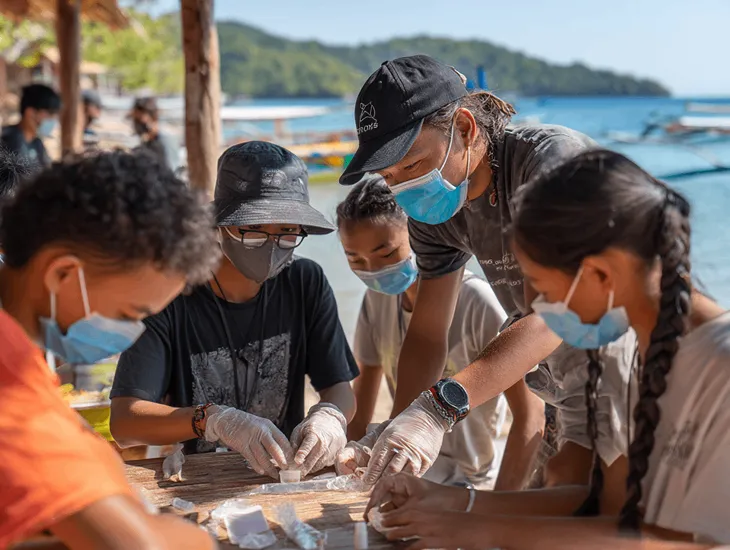
Coastal ecosystems require protection from human impact. Teenagers participate in coral restoration and turtle hatchery work. These tasks contribute to marine biodiversity in the region.

Participants learn to identify different coral species. They assist marine biologists with data collection and monitoring. Scientific involvement deepens their understanding of ocean health.

Guided snorkeling trips include reef cleanup activities. Removing ghost nets and plastic debris is vital work. These efforts contribute to the health of the Indonesian reefs.

Educational visits to mangrove forests highlight carbon sequestration. Teens help plant seedlings to protect coastlines from erosion. This work has a direct positive impact.

Volunteer roles at turtle centers include tank maintenance and feeding. Teens learn about the life cycle of endangered species. They assist with public education for visiting tourists.

Data entry for coral health surveys is a critical task. Teenagers help organize findings to support regional conservation reports. This contribution aids long-term environmental planning.

Choosing the Right Youth Program

Families must select a cause that matches the teen’s interests. Options include health, education, or environmental projects. A clear focus ensures a meaningful contribution.

Research the track record of the host organization. Look for NGOs with transparent reporting and local support. Verified programs provide better structures for teenagers making a difference in Bali.

Consider the time commitment required for each role. Some projects need several weeks for a lasting impact. Short-term tasks suit limited holiday schedules.

Check for programs that offer formal certification. Earning service hours can support future university applications. This provides a dual benefit for the teenager.

Involve the teenager in the selection process to ensure buy-in. Their passion for the cause drives the quality of their service. A motivated volunteer is always more effective.

Evaluate the logistics of the program before committing. Check if transport is provided or if parents must drive. Clear logistics prevent stress for the entire family.

Safety Protocols for Teen Volunteers

Teenage Volunteer Safety 2026 – Adult supervision standards, protective gear requirements, and emergency response training for youth projects in Indonesia

Agencies enforce strict screening and vetting procedures. They require application forms and personal references. These measures protect volunteers and the local community.

Adult supervision is mandatory for all youth activities. Designated coordinators provide guidance and ensure safety protocols. Oversight is a core part of every youth project.

Conservation activities require specific safety gear. Participants must use reef-safe sunscreen and follow instructions. Staying with the group prevents accidents during field work.

Health and safety briefings occur before every session. Volunteers learn how to handle tools and equipment safely. This minimizes risk during physical labor tasks.

Emergency contact lists are maintained by all reputable NGOs. Staff are trained to handle minor injuries on-site. This preparedness ensures a quick response to any incidents.

Background checks for adult coordinators are a non-negotiable standard. Families should ask for proof of these checks during enrollment. Protecting minors is the highest priority in Indonesia.

Real Story: Liam’s Service Project in Pererenan, Bali

Liam (16, Canada) moved to Pererenan and noticed significant plastic debris on the shoreline daily. He wanted to contribute to the local ecosystem but lacked a peer group. He decided to organize a structured youth cleanup initiative.

He accessed a community coordination platform to find volunteers. Liam coordinated a weekly cleanup event for local youth. He worked with village leaders to manage the collected waste.

His project inspired other schools to join the movement. Liam realized that coordinated actions lead to significant change. The local residents appreciated his dedication to their village.

The initiative grew into a monthly environmental workshop. Liam invited local experts to speak about marine biology. He successfully bridged the gap between expats and locals.

The village leader presented Liam with a certificate of appreciation. This recognition boosted the team’s morale and project visibility. It proved that youth-led initiatives can gain institutional support.

Cultural Etiquette for Young Changemakers

Respecting local customs is essential for every young volunteer. Teens should dress modestly when visiting traditional temples. Modesty shows respect for the Balinese culture.

Avoid posting photos of local children on social media. Respecting privacy is a fundamental rule of ethical volunteering. Always ask for permission before taking pictures.

Frame your work as a cultural exchange. Listen to local leaders and follow their guidance. This humble approach supports positive relationships in the region.

Engaging with the Banjar system ensures community alignment. Working alongside local residents fosters mutual understanding. It shows a commitment to the neighborhood’s well-being.

Participate in local ceremonies when invited by the community. Observing these traditions deepens your cultural appreciation. It demonstrates a genuine interest in the island’s heritage.

Maintain a polite and helpful attitude during all interactions. Using a few local phrases makes a positive impression. Respect is the foundation of every successful service project.

FAQs Teenagers in Bali Making Different

Q: What is the minimum age to volunteer? 

A: Most programs accept youth from 13 years old. Some allow 12 with parents.

Q: Do teens need prior experience? 

A: No. Organizations provide orientation and training for all new volunteers.

Q: Are these programs supervised by adults? 

A: Yes. Verified NGOs provide local coordinators to ensure safety for everyone.

Q: Can teens earn school service hours? 

A: Yes. International programs offer certificates for completed community service hours.

Q: Is there a cost to participate? 

A: Some programs charge a fee for project materials and insurance.

Q: Are environmental cleanups daily? 

A: Most groups organize weekly or bi-monthly events to maintain beaches.

Need help with teenagers making a difference in Bali? Chat with our team on WhatsApp now!