
Kindergarten Readiness for Children in Bali: Essential Skills and Signs to Look For
Parenting abroad is hard. You want the best education for your child, but local school standards can feel overwhelming. Balancing your busy work schedule and child development requires more than just good intentions.
Parents naturally worry about developmental milestones. You see children flourishing and wonder if yours is falling behind. This anxiety disrupts family peace, turning simple daily routines into a source of constant, quiet stress.
Professional support is the missing link. A skilled caregiver bridges the gap between your home environment and the formal educational standards found in schools across Indonesia. This helps your child thrive every day.
Expert guidance identifies the specific skills your child needs. You do not have to guess what matters most. Targeted, professional support creates a clear, achievable path for your young student to succeed.
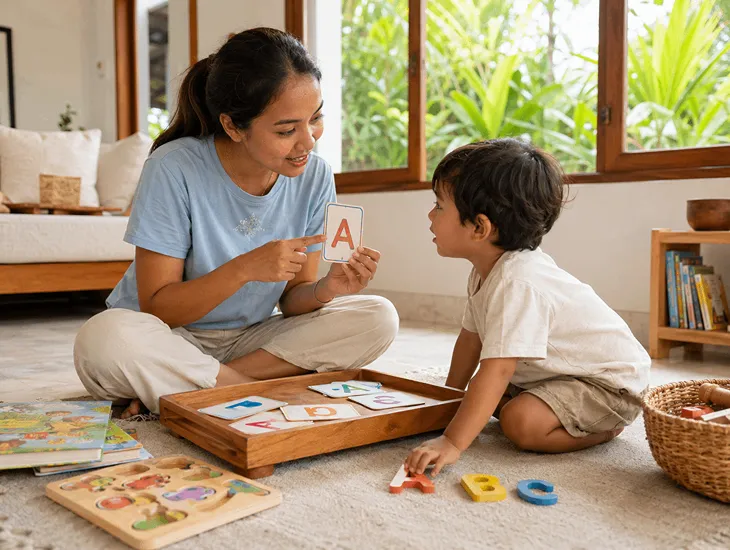
A professional Babysitter in Bali transforms play into meaningful learning. They focus on development, ensuring your child gains confidence and essential Kindergarten Readiness for Children in Bali during your family’s stay here.
We help you navigate these complex readiness requirements. Read official Indonesia education information to understand national standards before you begin your journey toward formal school enrollment for your growing child.
Table of Contents
Regulatory Context for Kindergarten Readiness for Children in Bali
The Indonesian government mandates that the basic age for entering elementary school is seven years. However, many children develop more rapidly than standard regulations might suggest for their age.
Kindergarten education provides a bridge to formal schooling. In Indonesia, TK A usually covers children aged four to five, while TK B serves children aged five to six.
International schools in Indonesia offer a unique thematic approach. They often follow curricula that weave together independence, enquiry, and physical wellbeing throughout their early years programs.
Understanding these pathways helps parents set realistic goals. You are preparing your child for a transition that typically spans several years of structured, social learning in an academic setting.
Five Essential Developmental Domains
Research highlights five key developmental aspects affecting readiness for formal schooling. These domains include cognitive ability, language skills, social-emotional development, fine motor coordination, and physical gross motor strength.
Cognitive and language ability forms the academic foundation. This includes vocabulary building and active question-answering. Children learn to understand patterns, numbers, and basic literacy concepts through daily, guided interactions.
Social-emotional skills enable children to thrive in classrooms. They learn to share, take turns, and manage complex feelings. A child who expresses frustration verbally instead of hitting shows high readiness.
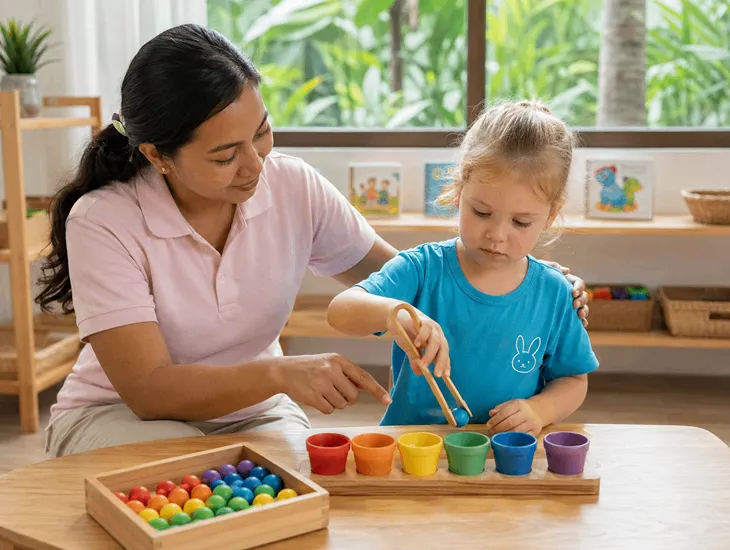
Fine motor skills involve precision. This domain includes holding a pencil, using safety scissors, and dressing independently. Developing these muscles is essential for writing and other classroom tasks later on.
Gross motor skills involve large body movements. Running, jumping, and climbing build the coordination and balance required for physical education and overall school activity.
Finally, self-help independence demonstrates a child’s readiness for daily school life. Being able to use the toilet, wash hands, and hang up a backpack independently is crucial for success.
Age-Specific Milestone Checklists
Four-year-olds display specific readiness markers. They understand basic counting, follow two-step directions, and start to play pretend games with peers.
Language milestones at four include using full sentences with four or more words. They ask “why” and “how” questions, showing an active interest in the world around them.
Socially, four-year-olds begin sharing toys and initiating play with friends. They show empathy when a peer is upset, which is a major social development milestone.
Physical markers include hopping on one foot and using a fork independently. They should be able to hold a crayon properly, moving away from a fist grip.
Five-year-olds approach readiness with more sophistication. They recognize letters, read simple words, and understand basic math concepts. Writing their own name and printing numbers becomes common.
Language at five involves fluent communication and storytelling. They express complex emotions verbally, allowing them to participate in group discussions and solve social conflicts with words.
Physical coordination improves significantly at five. They ride bikes with training wheels, climb playground equipment confidently, and use the toilet entirely on their own.
Warning Signs: When to Seek Support
Developmental timelines vary, but certain warning signs indicate a need for professional help. At age four, if a child cannot say three-word sentences or follow one-step directions, consult a specialist.
Other age-four red flags include a lack of pretend play and frequent hitting when frustrated. These behaviors often require early intervention to ensure the child does not struggle socially in a kindergarten setting.
At age five, watch for a lack of letter recognition or the inability to count to five. Toilet training should be complete, and chronic struggles here may suggest a need for support.
Severe separation anxiety that lasts longer than thirty minutes is another sign. While some nervousness is normal, an inability to settle indicates that the child needs specific coping strategies.
If you suspect developmental delays, consult a pediatrician. Early detection services are available for physical and cognitive concerns, which can significantly improve outcomes for your child’s educational journey.
Taking action early is always better than waiting. You empower your child by providing the right resources at the right time, ensuring they feel confident and prepared for their school entry.
Real Story: Bridging Worlds in Pererenan
Sophie, a graphic designer from France, moved with her family to Pererenan. She noticed her five-year-old daughter, Chloe, struggled with the transition to her new school environment.
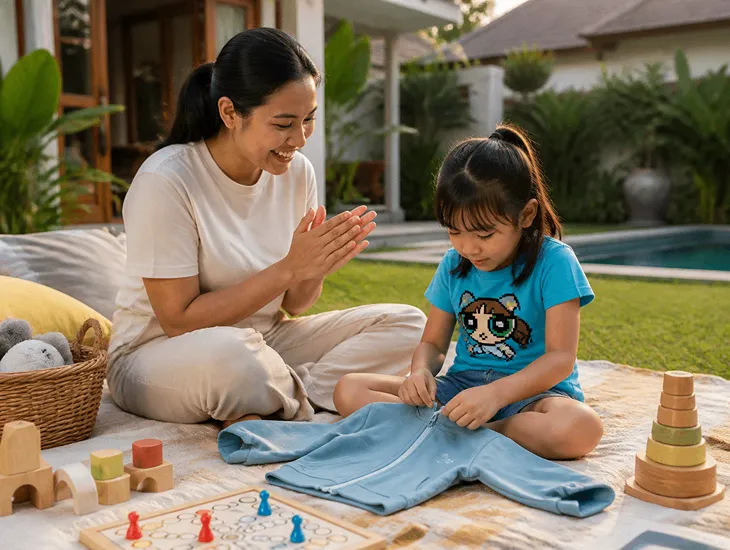
Chloe could not zip her jacket and cried whenever Sophie left for meetings. Sophie felt trapped, knowing her daughter lacked the self-help skills and emotional regulation needed for her upcoming kindergarten assessment.
She searched for someone local who could understand her urgency. She finally used our agency service to find a professional Babysitter in Bali. The caregiver arrived at her villa within one hour.
The caregiver arrived prepared, bringing gentle play materials and focus games. She managed the zipping and sharing practice while keeping Chloe engaged, allowing Sophie to focus on her work in peace.
By establishing this trusted relationship, Sophie finally found her balance. She realized why hiring a professional caregiver is essential for maintaining peace of mind while running a business abroad with young kids.
Babysitter's Role in Building Readiness
A professional Babysitter in Bali fills the gap in daily educational preparation. They incorporate structured play into your child’s schedule, ensuring they meet milestones while you attend to your work.
Daily reading routines are essential. A caregiver can spend thirty minutes reading aloud, asking questions, and building vocabulary. This practice prepares your child for the reading demands of formal school programs.
Literacy and numeracy practice can be fun. A caregiver engages your child in labeling artwork, writing shopping lists, or identifying letters in the environment during walks.
Social-emotional coaching happens during every play session. When conflicts arise, the caregiver models healthy communication. They guide the child through feelings, turning tantrums into lessons on empathy and conflict resolution.
Self-help training is built into daily routines. The caregiver encourages the child to hang up their backpack, clear their plate, and dress independently, building the executive function needed in a classroom.
Consistency provides the stability a child needs. When a caregiver follows a structured routine, the child learns to expect and follow schedules, making the transition to school much smoother for them.
Practical Weekly Readiness Plan
Monday starts with literacy. Read a new book, discuss the plot, and play a letter recognition game. Have your child dictate a simple story that they illustrate to build language skills.
Tuesday focuses on fine motor development. Practice cutting shapes with safety scissors, molding playdough, and tracing letters in a workbook. These activities strengthen the grip needed for later writing tasks.
Wednesday covers social-emotional growth. Schedule a playdate and supervise interactions. Use role-play games to discuss how to solve social problems, like what to do if a friend wants the same toy.
Thursday is for gross motor activity. Visit a playground to climb, swing, and run. Use obstacle courses to practice hopping and balancing, which builds the confidence required for physical play at school.
Friday highlights self-help and responsibility. Practice dressing independently within a time limit. Focus on hygiene routines like washing hands without reminders and helping with simple meal preparation tasks at home.
Saturday and Sunday allow for family integration. Practice the skills learned during the week. Let your child choose their own outfit or clean up after their playtime to build real-world responsibility.
Keep communication open with your caregiver. They can report on progress and highlight areas needing extra support, such as shoelace tying or recognizing specific numerical symbols during the coming week.
Parent-Babysitter Collaboration Framework
Start by completing an initial assessment. Identify three priority areas, such as toilet training or language, and discuss these with your caregiver. Set clear goals for the first month of preparation.
Schedule monthly progress reviews. Document milestones achieved. Celebrate these successes with your child, as this reinforces their motivation and helps them feel proud of their growing ability to learn new things.
During the three months before kindergarten starts, increase structured learning time. Use mock routines. Sit at a table for twenty minutes, follow teacher-like instructions, and practice cleaning up after activities.
Practice pre-school visits. Read books about starting school and validate your child’s feelings. If they are nervous, acknowledge it. This emotional preparation is just as important as the academic preparation.
Keep the process positive. School readiness is a marathon, not a sprint. Your child develops at their own pace, and having a supportive team makes the entire transition much easier for everyone.
Stay connected with your caregiver through simple tools like shared digital calendars or daily logs. Clear, consistent information keeps everyone aligned on the same developmental goals for your child.
FAQs about Kindergarten Readiness for Children in Bali
Q: How early should children start cultural activities?
A: Children as young as four can start observing and participating in simple rituals.
Q: Will my child understand cultural lessons?
A: Yes, children are observant and learn quickly through imitation and gentle explanations.
Q: How does a Babysitter in Bali help with readiness?
A: They provide context, translate traditions, and model respectful behavior for your children.
Q: Are readiness activities safe for young kids?
A: Most activities like dance or farm visits are safe when supervised by professional experts.
Q: What if my child is shy?
A: An experienced caregiver knows how to gently encourage shy children to participate comfortably.
Q: Can these activities be done indoors?
A: Yes, many readiness activities, such as writing or dance, can happen in your villa.

