
Review Us
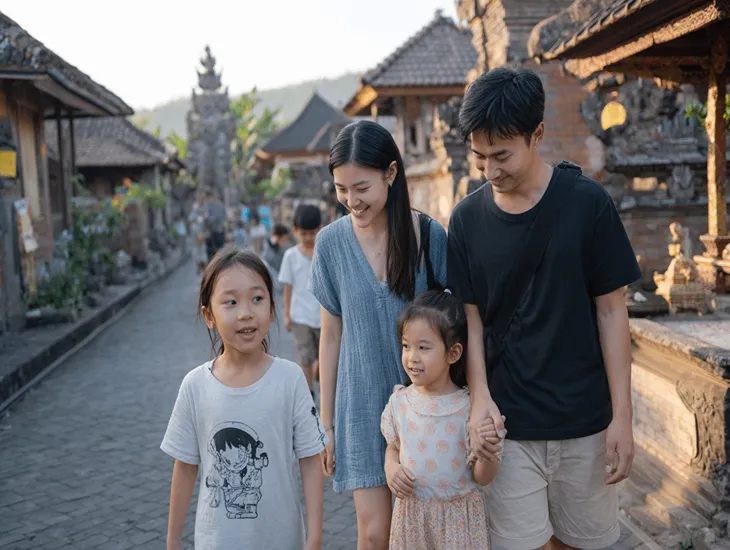
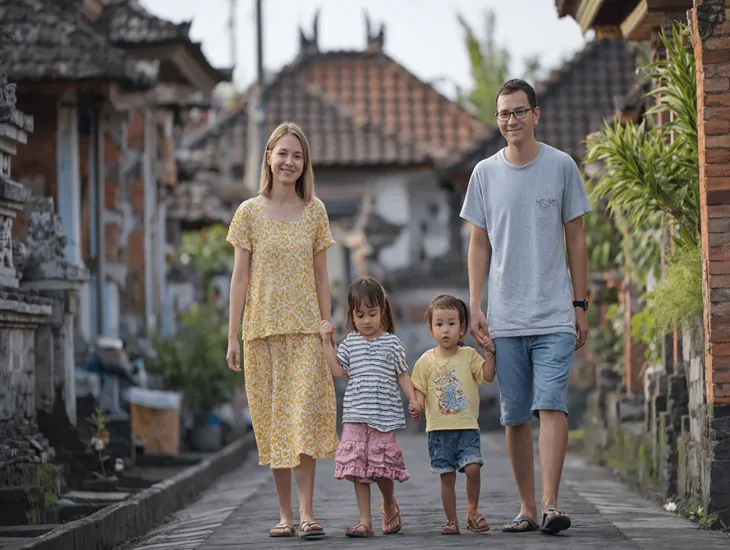
Penglipuran Village Bali 2026 – A clean, traditional cobblestone street lined with identical Balinese family compound gates and bamboo roofs.
author-2

Penglipuran Village, Bali: A Cultural Lesson on Traditional Houses for Families

Many families in Indonesia struggle to find authentic educational experiences. Standard tourist spots often feel like theme parks. This lack of depth limits cultural learning.

Walking through busy markets can be stressful with young kids. You want a safe, quiet environment where children can learn about local life. Finding a living community that welcomes families is difficult.

Without a structured plan, you might miss architectural and social rules. This leads to a surface-level visit without lasting impact. You require a visit to a family-friendly cultural village in Bali. Refer to .

Fortunately, visiting Penglipuran Village provides a practical lesson in tradition. This community is famous for its cleanliness and well-preserved architecture. It offers a low-pressure environment for children.

Professional guidance helps parents manage etiquette and safety. Understanding local customs ensures your family remains respectful. Preparation is essential for an enriching outing.

This guide explores the architectural wonders of this unique village. We cover house layouts and essential safety protocols. Plan your cultural immersion with confidence today.

The village serves as a model for community-based tourism. By visiting, your family supports the preservation of ancient Balinese traditions. This contribution helps maintain the village’s unique heritage.

Why Penglipuran is a Family-Friendly Village in Bali

This village in Bangli Regency is famous for its neat layout. Paths are wide, flat, and easy to walk. The main village area is a vehicle-free zone.

The community follows strict rules regarding order and noise. This creates a peaceful atmosphere. Families can walk the cobblestone streets without the typical chaos of southern hubs.

Most travelers recognize it as a family-friendly cultural village in Bali. This is due to the local hospitality. Residents often welcome visitors into their front gardens.

The orderly nature of the village makes it a stress-free destination for parents. You do not need to worry about motorcycles or heavy traffic. This safety allows for a more relaxed educational experience.

Understanding the Traditional House Layout

Balinese Architecture 2026 – A traditional compound entrance featuring a stone angkul-angkul gate and a layered bamboo mat roof.

Every family compound follows a specific architectural and spiritual order. The entrance gate is called an angkul-angkul. Inside, you find multiple rooms for sleeping and cooking.

The family temple is always located in the northeast corner. This area is sacred and not for public visitors. Houses use sustainable materials like bamboo for walls.

Kids can learn about sustainable building by observing the thatch roofs. The layered bamboo mats show how Balinese people adapt to their environment. It is a visual lesson in architecture.

Each compound is a mirror of the others, creating a sense of total harmony. This repetition helps children identify the key parts of a Balinese home. It reinforces their learning throughout the walk.
Cultural Etiquette and Sacred Offerings

The village is a living community where families follow local customs. One of the most important rules is to avoid stepping on offerings. These small baskets are called canang.

Offerings are placed at gates and on the ground. Stepping on them is considered disrespectful to local spirits. Parents must supervise children closely to prevent this.

Littering or damaging plants is strictly prohibited. Respecting the cleanliness of the village is a shared responsibility. Adhering to these values preserves the local culture.

Explain the meaning behind the offerings to your children. This helps them understand that the village is a place of active worship. Respectful behavior is a vital part of the visit.

Activities for Toddlers and Preschoolers in Bali

Toddlers should walk along the main street with their parents. They can observe the house gates and colorful garden flowers. It is a gentle sensory experience for children.

Keep young children close to avoid them touching sacred items. The village is quiet, but it is not a playground. Focus on land-based observation to keep them safe.

Rent traditional Balinese clothes for a respectful dress-up experience. Children enjoy wearing colorful fabrics while walking through the village. It makes for memorable family photographs in Indonesia.

The lack of vehicles allows toddlers to practice their walking skills safely. They can explore the wide paths without the typical dangers of city streets. This freedom is a major benefit for active infants.

Real Story: Maxim's Cultural Discovery

Maxim (38, Netherlands) visited Ubud with his seven-year-old son. He found that the crowded markets and heavy traffic made cultural learning difficult. He sought a quiet environment where his son could observe traditional life.

Maxim traveled to Bangli Regency after hearing about a family-friendly cultural village in Bali. His son, Lars, enjoyed the quiet streets and felt comfortable exploring the compounds.

Maxim used our guide to explain the bamboo roofs. Lars noticed the small family temples and learned to walk around the canang. They found the authentic experience they were seeking.

By the end of the day, Lars could identify the main gate and the temple corner. The structured environment of the village made learning easy and fun. It was the highlight of their trip.

Lessons for School-Age Kids and Teens

Bali Village Educational Experience 2026 – Guided walk, cultural preservation, and environmental lessons for older kids and teens in Bali

Older kids can follow a guided walk to learn architectural details. They can count the four doors of a compound. This develops their analytical skills in a real-world setting.

Teens can talk with locals about how village rules preserve culture. Understanding social structure helps them appreciate global diversity. It is a lesson in sociology and history.

Encourage them to explore the bamboo forest behind the village. This area provides a shaded walk illustrating environmental management. It is an active way to end the visit.

Teens can also learn about the village’s waste management system. Seeing how a community stays so clean provides a lesson in civic duty. It inspires them to think about sustainability.

Exploring the Protected Bamboo Forest

The 45-hectare forest is vital for the village ecosystem. Families can walk the marked trails under the bamboo canopy. It is a refreshing land-based adventure.

The forest acts as a water catchment area for the community. Teaching kids about resource management is a great environmental lesson. It shows how the village lives in harmony.

Stay on the marked paths to protect roots and soil. Avoid letting children run ahead in the dense greenery. Constant visual contact ensures everyone remains on the verified trail.

The air in the forest is noticeably cooler and fresher. This provides a welcome break from the heat of the open village streets. It is a tranquil end to a cultural day.

Logistics and Choosing Reputable Guides

Most families spend one to two hours walking the main street. Visitors pay an entrance fee to support the village board. Hiring a local guide adds depth to your experience.

Guides rent sarongs for those who need to cover their legs. Appropriate dress is required when entering temple areas. Preparation ensures you are always welcome in the village.

Vetting rests on local tour operator reviews and guide certifications. Reliability comes from community standards and established travel guides. There is no official government data on safety ratings.

Plan your visit for the early morning to avoid the midday heat. Bringing a professional guide ensures you respect all local boundaries. Knowledgeable staff can answer specific questions from curious children.

FAQs about family-friendly cultural village in Bali

Q: Is Penglipuran Village stroller-friendly? 

A: Yes. The main street is wide and paved with flat cobblestones.

Q: Can we enter any house we see? 

A: Only enter compounds where signs indicate visitors are welcome.

Q: Are there restrooms in the village? 

A: Yes. Basic public restroom facilities are available near the entrance.

Q: Do we need to wear a sarong? 

A: A sarong is mandatory when entering temple areas or compounds.

Q: How far is it from Ubud?

 A: It is approximately a one-hour drive from central Ubud.

Q: Can we stay overnight? 

A: Yes. Some families offer homestays for a deeper cultural experience.

Q: Are there food stalls in the village? 

A: Yes, local vendors sell traditional snacks and drinks along the main street.

Need help visiting a family-friendly cultural village in Bali? Chat with our team on WhatsApp now!