
Rainy Day Indoor Play in Indonesia: 7 Activities to Keep Kids Entertained at Home
Spending holidays in the tropics creates difficulty with planning. Balancing traditions with the heat of Indonesia requires care to keep every family member comfortable.
Without a plan, children frequently become restless in villas. You might worry about finding experiences that follow high safety standards during the peak season.
High-season crowds create stress for caregivers. Managing toddlers in humid conditions leads to exhaustion. You need a clear plan for safe exploration while visiting different sections of the country.
The island offers specific venues for family fun. You can find professional environments that blend tropical sun with festivities. Identifying the best rainy day activities in Indonesia simplifies your schedule.
These locations provide shaded zones and certified supervision. Parents can rest while children explore safely. By following professional childcare standards, you can evaluate which hubs suit your needs.
A clear schedule ensures your children remain active. This guide reviews seven activities for a secure holiday. Start your planning early to secure the best seasonal outcomes.
Table of Contents
Living Room Playground Obstacle Courses in Bali
Transforming your living room into a movement-safe playground helps children burn energy safely. Use cushions, pillows, and sheets to create “lava” zones or bridges for climbing and balancing during the rain.
Moving big cushions into tunnels encourages gross motor skills. This activity provides a supervision-friendly space for imaginary play. It is a practical way to manage active youngsters without needing a large outdoor area.
Structured movement circuits keep kids engaged for short bursts. You can set up a path using painter’s tape on the floor. This teaches rule-following while providing a safe physical outlet inside your home.
This activity requires minimal equipment and setup time. Children enjoy the physical challenge of navigating new terrains. It is an effective method for maintaining physical fitness during long periods of indoor confinement.
Sensory Boxes and Tactile Exploration
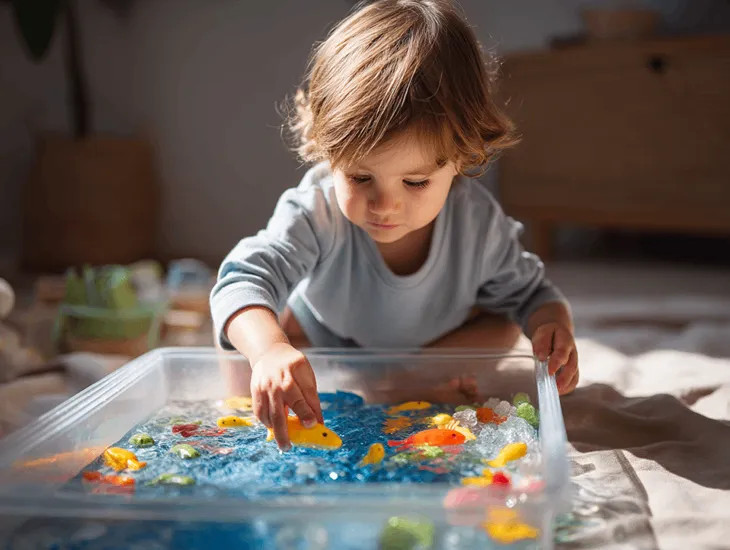
Sensory boxes stimulate touch and sight without creating a large mess. Fill a plastic container with water, food coloring, and ice cubes. Add toy fish to create an engaging experience for toddlers.
Place a towel or plastic sheet under the box to catch spills. Close supervision is mandatory to avoid the ingestion of small objects. This quiet activity builds language skills as children describe different textures.
You can vary the contents using dry materials like rice or beans. This allows for long-term play across multiple rainy days. It is a cost-effective solution for parents seeking high-quality stimulation at home.
These boxes encourage independent exploration and curiosity. Toddlers develop fine motor skills by scooping and pouring materials. This type of play is essential for cognitive development in the early years.
Vocabulary Games and Name Guessing
No-screen family time is essential during long periods indoors. Simple games help build counting and description skills. Show pictures of objects and let children identify them aloud.
You can also use ziplock bags to hide small toy animals. Ask children to “free the animal” after describing its features. This sitting-friendly format is perfect for calming high-energy kids before their afternoon nap.
These games require no new purchases and can be played repeatedly. They foster connections between parents and children. It is a language-supportive way to spend a quiet hour while the storm passes.
Identifying objects by sound is another variation. Close your eyes and guess what household item is being used. This sharpens auditory skills and keeps children focused on the present moment.
Creative Art and Craft Corners in Indonesia
Create a temporary art area using large paper sheets on a door. Use washable, body-grade paints to let children practice large-scale painting. This helps develop fine motor skills through creative expression.
Decorative tape can also be used to create floor tracks. Children can drive toy cars along these paths for hours. It encourages imagination while keeping the play contained to a specific section of the house.
Ensure all supplies are non-toxic and child-safe before starting. Using a dedicated wall section prevents damage to your villa’s permanent surfaces. This allows for messy play that is easy for caregivers to clean.
College making with found household items is also fun. Use old magazines or scrap paper to create colorful scenes. This activity encourages recycling and provides a structured outlet for artistic energy.
Family Cooking and Baking Sessions
Assembling fruit salads or pancakes teaches children about hygiene and patience. Use safe kitchen tools and clean water to involve them in the process. This activity turns mealtime into an educational experience.
Measuring ingredients helps with basic math skills for older children. It provides a productive way to spend an afternoon indoors. Children enjoy eating the snacks they helped create, fostering a positive relationship with food.
Always supervise children near hot stoves or sharp objects. Set clear rules about which tools they can touch. This ensures the cooking session remains a safe family-bonding activity for everyone.
Simple dough play is great for younger kids. Let them knead flour and water to feel the changing textures. This tactile experience is a precursor to more complex baking skills.
Real Story: Maya’s Rainy Day in Pererenan, Bali
Maya (34, UK) moved to Pererenan with her two toddlers. She discovered that the lack of winter traditions in Bali made her children restless in December. She needed a way to recreate a festive environment inside her villa during a heavy storm.
High temperatures and rain prevented Maya’s children from playing outside. Her daughter lacked a structured outlet for her energy and became agitated. Maya needed professional guidance to identify safe indoor play options.
She hired a professional through a local service to coordinate a morning of supervised indoor play at her home. They built a pillow fort while the rain fell. The professional support helped her manage the day without difficulty.
The nanny introduced a series of rainy day activities in Indonesia that kept the children occupied for hours. Maya was able to focus on her work while her children engaged in creative play.
The day ended with a calm and happy household. Maya realized that professional childcare provided the necessary balance for her life. She now schedules regular indoor play sessions to prepare for the monsoon.
Educational Board Games and Puzzles
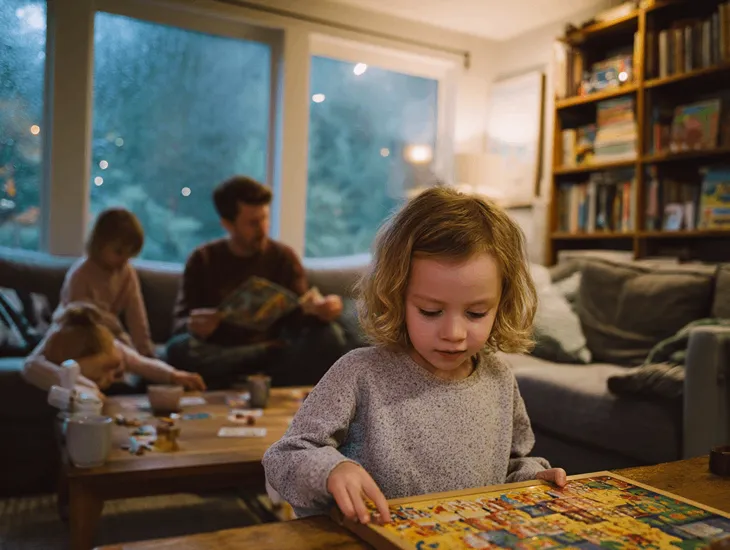
Puzzles are calming choices for the last hour before bed. Select games appropriate for your child’s age to avoid a conflict-filled environment. This provides cognitive stimulation without the need for high-energy physical movement.
Audiobooks and family read-aloud sessions support language development. Listening to stories together keeps children calm during storms. It is a way to transition from active play to rest.
Avoid games with complex rules for very young children. Stick to simple card matching or memory games. This ensures everyone can participate successfully, building confidence and social skills through shared family play.
Board games teach turn-taking and sportsmanship. These social skills are vital for group interaction and classroom readiness. Regular family game nights can become a cherished indoor tradition during the rainy months.
Dance and Active Movement Circuits
Quick dance-along routines help release energy without going outside. Use imitation games like “Follow Me” to get children moving. These are best for short 10-minute bursts to keep the activity fresh.
Movement circuits involving jumping and crawling provide a physical challenge. You can use household items to mark a path. It keeps the heart rate up while ensuring children stay within a safe area.
Plan these activities for the late morning when energy is highest. It helps maintain a consistent routine even when the weather is poor. This balanced approach ensures children remain healthy and happy.
Musical chairs is another classic indoor movement game. It encourages quick reactions and listening skills. Using upbeat local music adds a cultural element to the physical fun for everyone involved.
FAQs Activity Rainy Day in Indonesia for Kids
Q: Are indoor play activities safe for small apartments?
A: Yes. Activities like sensory boxes and tape floor tracks require minimal space and are easily cleaned after use.
Q: What is the activity for a high-energy toddler?
A: Living room obstacle courses using cushions allow for safe climbing and jumping during rainy day activities in Indonesia.
Q: Do I need expensive toys for indoor play?
A: No. Most activities use household items like pillows and tape to create engaging experiences.
Q: How do I prevent a mess during indoor painting?
A: Use washable paints and cover the floor with a plastic sheet to ensure the activity is easy to manage.
Q: Can nannies help with structured indoor play?
A: Yes. Vetted nannies lead rainy day activities in Indonesia that follow professional childcare and safety standards.
Q: Are board games suitable for children under three?
A: Puzzles and memory cards are better for toddlers. Older kids can handle board games with simple rules.

