
Review Us
Monkey Forest in Ubud – Wildlife safety rules, rabies prevention, and family travel tips
author-2

Sacred Monkey Forest Ubud: 5 Safety Rules for Kids in Bali

Finding exciting, culturally significant activities for children while traveling often causes anxiety for cautious parents. Navigating famous wildlife attractions in a foreign country leaves many families feeling hesitant and completely overwhelmed.

Without knowing local safety standards, ensuring your family enjoys a secure experience becomes a difficult daily struggle. The desire for memorable animal interactions makes finding safe attractions essential for adventurous families.

Without knowing how to safely navigate these famous sites, exploring nature can feel stressful. When parents cannot confidently manage the risks, exploring wildlife habitats feels like a frustrating, unpredictable gamble.

Fortunately, understanding and enforcing safety rules drastically eases this difficult transition for health-focused, traveling families. Treating the animals with respect transforms the sanctuary visit into a safe, unforgettable island experience.

Reviewing public health guidelines from the Indonesian Ministry of Health ensures your family understands the medical risks. Consulting local resources guarantees that your wildlife interaction remains appropriate, well-managed, and safe.

By following these guidelines, parents can confidently experience the primate conservation area. These carefully vetted rules provide essential wildlife education, safe engagement, and absolute peace of mind for everyone.

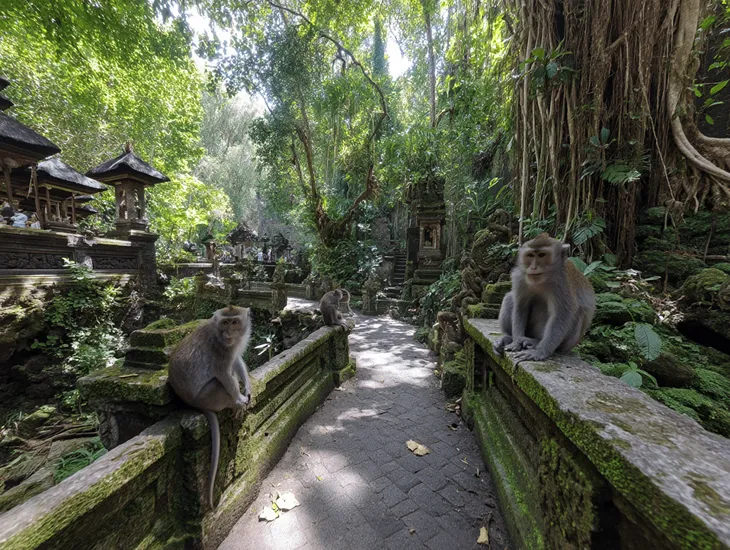
Visiting the famous Monkey Forest in Ubud is a spectacular experience when executed with proper preparation. It offers a rare opportunity to observe these fascinating primates interacting within their stunning natural environment.

Rule 1: Zero Food or Crinkly Bags Allowed

You must never bring snacks, bottles with visible liquid, or crinkly plastic bags into the sanctuary. The macaques associate these specific items with food and will target them aggressively without hesitation.

Even seemingly harmless items like a rustling paper map can attract unwanted attention from hungry animals. They are incredibly fast and will try to grab anything they suspect might contain meals.

Keep your essential valuables securely zipped away in a sturdy cross-body bag worn tightly. Never dangle bags, mobile phones, or expensive sunglasses loosely in your hand while walking the paths.

The sanctuary management established these strict rules to keep both visitors and animals safe. Following this single rule drastically reduces the likelihood of a monkey jumping on you or your child.

Ignoring the food ban is the single most common reason tourists get bitten at the primate conservation area. Do not try to sneak treats inside; the macaques have an incredible sense of smell and sight.

Rule 2: Keep Hands to Yourself and Avoid Eye Contact

Macaque Behavior in Indonesia – Wildlife interactions, avoiding monkey bites, and reading cues

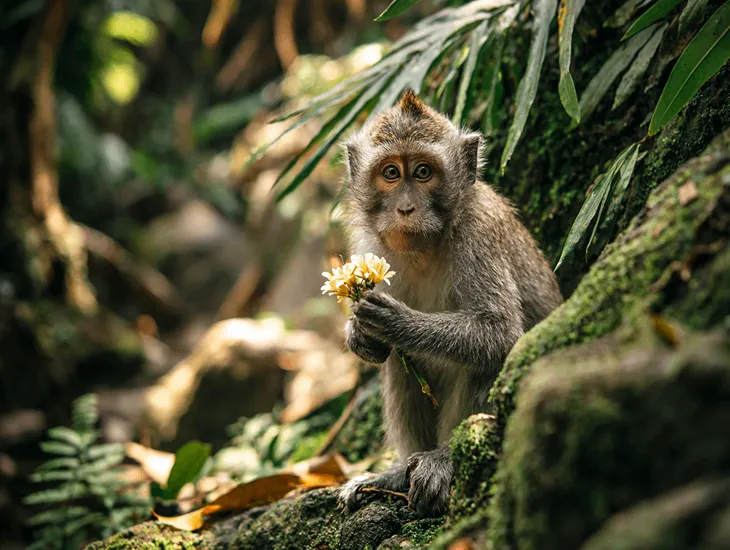
Parents must teach their children the “look, don’t touch” rule before arriving at the main entrance. You must never try to pet the adult macaques or touch their incredibly protective babies.

It is crucial to avoid making direct, prolonged eye contact with any monkey in the forest. They often interpret direct staring as a threat and may react aggressively toward visiting tourists.

If a monkey suddenly jumps nearby, children must immediately freeze, stay completely still, and keep their arms down. They must patiently wait for the animal to move away without pushing.

Showing fear, screaming, or running away will only excite the animals and potentially encourage them to chase. Remaining calm, quiet, and completely still is always the safest response during close encounters.

These behavioral guidelines are essential for navigating the primate conservation area safely with young children. Remember, you are a guest in their wild home; act predictably and respectfully at all times.
Rule 3: Stay on Marked Paths Beside an Adult

Children must be instructed to walk calmly, never run, and always stay directly on the marked concrete paths. They must remain within arm’s reach of a supervising adult at all times.

Families should actively avoid wandering into dense vegetation or deliberately approaching large clusters of active monkeys. It is always safest to stick to wide, open paths where sanctuary staff are present.

Allow the animals plenty of space and simply let them pass by rather than actively approaching them. This is especially important if you encounter groups or mothers carrying small babies.

Running, sudden loud screaming, or actively chasing the animals are prohibited behaviors that often trigger attacks. Constant, vigilant parental supervision effectively ensures young children follow these vital environmental rules strictly.

Staying on the path ensures that the primate conservation area staff can quickly assist you if needed. It also protects the fragile jungle ecosystem from unnecessary human trampling and degradation.

Rule 4: Dress Modestly and Secure Valuables

Families should dress for safety rather than attempting to take the perfect vacation selfie during the visit. Wear sturdy, closed-toe shoes and comfortable, modest clothing to navigate the uneven stone paths safely.

Avoid wearing any loose accessories, dangling jewelry, open backpacks, or hats that your children might easily lose. The macaques are curious and frequently steal loose items directly off unsuspecting tourists’ heads.

Only take photos if you feel entirely comfortable, and always keep your phone held tightly. Some staff offer guided photo sessions, which are generally safer than attempting close-up selfies alone.

Remember that you are visiting a completely wild animal habitat, not a controlled, interactive petting zoo environment. Prioritizing secure clothing and keeping a low profile significantly minimizes your risk of unwanted interactions.

Proper attire prevents minor injuries and theft while exploring the primate conservation area. It allows you to focus on the incredible scenery rather than constantly defending your belongings.

Real Story: Fiona's Close Encounter in Ubud, Bali

Early 2023 in Ubud. Fiona, a 39-year-old mother from Galway, Ireland, was on high alert the moment she entered. She and her son stepped into the humid, monkey-filled sanctuary to explore the ancient temple grounds together.

The Irish mother was incredibly vigilant, but wildlife is wildly unpredictable and highly opportunistic. When her son accidentally pulled a crinkly tissue packet out of his pocket, a large male macaque lunged forward.

The animal grabbed the boy’s shorts to demand the perceived snack immediately. Remembering the strict safety protocols for the primate conservation area, Fiona instructed her frozen son to drop the packet.

She told him to back away slowly without making eye contact. The monkey snatched the tissues and left, turning a potentially dangerous moment into a valuable lesson. It taught them the absolute importance of respecting wild animals and their environment.

Fiona’s quick thinking perfectly illustrates why knowing the rules of the Monkey Forest in Ubud is vital. Panic would have escalated the situation, but calmness ensured they walked away completely unharmed.

Rule 5: Have a Bite and Scratch Emergency Plan

Rabies Prevention in Indonesia – First aid for monkey bites, clinic access, and wound care steps

Medical sources are explicit: any bite or scratch carries a severe risk of rabies and other infections. While vaccination programs exist on the island, they do not eliminate the rabies risk entirely.

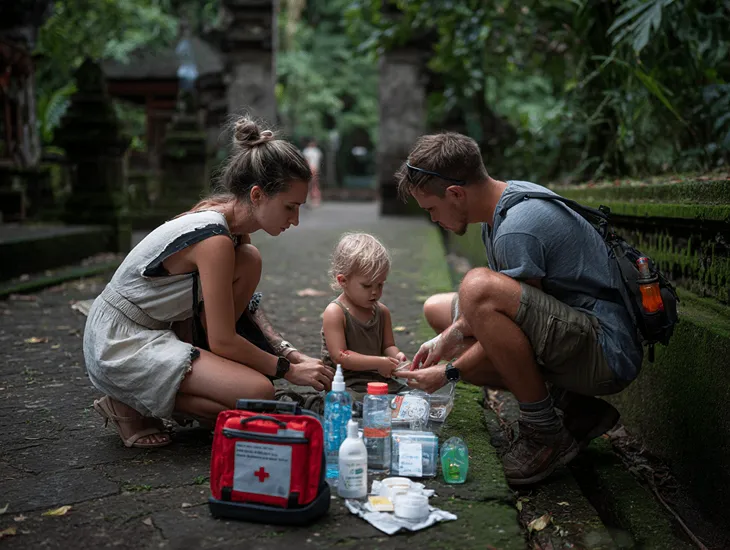
Before visiting, parents must know the exact location of the nearest medical clinic and carry first-aid supplies. If bitten, you must immediately wash the wound with clean water and soap vigorously for fifteen minutes.

Apply strong antiseptic immediately and go straight to a medical facility for an urgent rabies exposure assessment. Clinics state that any monkey wound requires rapid access to post-exposure prophylaxis medications.

Do not try to treat the wounds yourself or wait to see if the injury looks infected later. Early medical intervention is critical in preventing rabies; never ignore even minor, seemingly superficial scratches.

Knowing exactly what to do in an emergency makes visiting the Monkey Forest in Ubud significantly less stressful. Preparation ensures that a small accident does not turn into a life-threatening medical crisis.

Age-Appropriateness and Visit Timing

Official sanctuary FAQs confirm that children of all ages are legally allowed to enter the protected complex. However, family guides strongly recommend the visit primarily for school-age children who can follow instructions reliably.

Most local guides suggest that a visit lasting between sixty and ninety minutes is ideal for families. Longer visits significantly increase child fatigue, leading to dangerous rule-slipping and increased agitation from the heat.

The absolute best timing for a visit is early morning or late afternoon when temperatures are cooler. These times are generally less crowded, providing a calmer, much safer environment for families to explore.

Parents must avoid visiting the primate conservation area during designated feeding times or peak midday hours. You must honestly judge your child’s ability to remain calm around unpredictable, fast-moving wildlife.

A well-timed visit drastically improves the overall experience of the primate conservation area. It ensures the animals are less aggressive and your children are not overly exhausted by the tropical sun.

Cultural Respect in Bali and Temple Etiquette

The sanctuary is not just an animal habitat; it is also a deeply sacred, active Hindu temple complex. Visitors are asked to wear modest clothing and always respect the designated quiet temple zones.

You must completely avoid entering the inner temple areas unless explicitly allowed and wearing an appropriate sarong. Children must be briefed beforehand never to touch the colorful daily offerings or statues scattered around.

Families should keep their voices low and act respectfully, especially when walking near clearly marked sacred areas. Disrespectful behavior offends the local community and ruins the serene, spiritual atmosphere entirely for everyone.

Combining strict animal safety rules with cultural respect ensures a safe, highly rewarding visit. Understanding these dual expectations is crucial for fully appreciating the unique, spiritual nature of the primate conservation area.

Respecting the local culture is just as important as respecting the wildlife at the Monkey Forest in Ubud. It teaches children valuable lessons about global citizenship and honoring diverse religious traditions.

FAQs about the Monkey Forest

Q: Are children allowed to visit the sanctuary?

A: Yes, children are allowed, but the Monkey Forest in Ubud is best suited for older, obedient kids.

Q: Can we feed the monkeys if we buy food there?

A: No, visitors are prohibited from feeding them; only staff may feed them in controlled areas.

Q: What should I do if a monkey jumps on me?

A: Freeze, keep your arms down, avoid eye contact, and wait for it to leave or for staff to assist.

Q: Is it safe to bring a stroller?

A: While paths are paved, navigating the crowds and stairs with a stroller is difficult and stressful.

Q: What happens if my child gets scratched?

A: Wash the wound immediately with soap and water for 15 minutes, then go straight to a clinic.

Q: Why are rules for the Monkey Forest in Ubud strict?

A: Strict rules at the primate conservation area protect visitors and ensure macaques remain wild and healthy.

If you need a nanny while visiting the Monkey Forest in Ubud, chat with our team on WhatsApp now!