
Review Us
Toddler Sleep Problems in Bali 2026 – Managing jet lag, nap routines, and villa environment for families in Indonesia
author-2

Solving Toddler Sleep Problems on Vacation in Bali

Traveling with young children often leads to exhaustion for every family member. You arrive in paradise only to face endless crying and late nights. This disruption can ruin your long-awaited holiday.

New environments and different time zones disturb natural sleep cycles for little ones. Your child might refuse to nap or stay awake until dawn. This exhaustion makes exploring the island feel truly exhausting.

Heat and humidity make quality rest even more elusive for your toddlers. Unfamiliar villa sounds like local roosters or traffic trigger frequent night wakings. You feel trapped while others enjoy the nightlife.

Overtiredness leads to meltdowns during expensive day tours and family outings. The stress of managing a dysregulated child takes a toll on your health. You worry the entire trip will be difficult.

Fortunately, you can master the local environment with strategic adjustments and planning. Protecting the nap window and controlling the room atmosphere change everything. Consistency is the secret to a happy holiday.

This guide offers evidence-based strategies to fix sleep disruptions for your family. We explore schedule anchors and room setups tailored for travelers. Contact BIMC Hospital in Bali for professional pediatric care.

Mastering Jet Lag in the Tropics

Adjusting to a new time zone requires light exposure and patience. Use the morning sun to reset the body clock quickly. This helps reduce Toddler Sleep Problems in Bali within three days.

Keep total daytime sleep close to home norms to preserve rest. Allow short naps after arrival but do not let them sleep all day. Early bedtimes are better than late naps.

Consistency is vital when shifting the schedule to local time. Expose your child to bright morning light and encourage active play. This natural approach helps the body transition safely.

Plan for a few quiet days at the start of your trip. Avoid heavy excursions until the child has adjusted to the new clock. Patience during the first forty-eight hours prevents issues.

Give your child time to acclimate to the tropical environment and heat. Gentle transitions lead to much better sleep outcomes for everyone. Avoid forcing a strict schedule on the first day.

Stay hydrated to help the body manage the time zone shift. Water is essential for maintaining energy and mood during the first week. A hydrated child is a much calmer traveler.

Optimizing the Sleep Environment in Bali

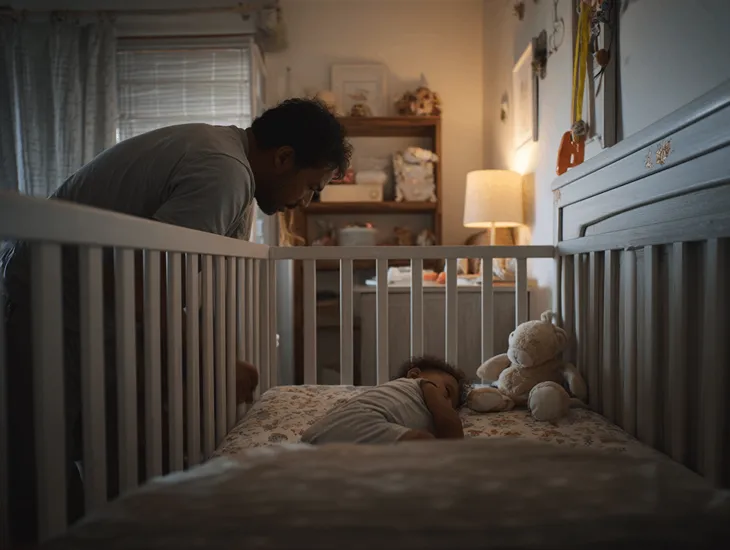
Villa Sleep Environment 2026 – Blackout curtains, white noise machines, and air conditioning for toddlers in Bali

Tropical villas often have light leakage and ambient noise issues. Use blackout blinds or travel fabric to darken the room for naps. A dark space signals that it is time for rest.

Mask roosters and traffic with a portable white noise machine. These familiar sounds provide a comforting layer of protection against disruptions. It helps little ones stay asleep between their light sleep cycles.

Control the temperature with air conditioning or a high-quality fan. Dress your child in light cotton pyjamas to prevent overheating. Airflow is essential for a high-quality sleep environment.

Bring familiar sleep objects like a favorite toy or blanket. These cues replicate the home environment and provide emotional security. A familiar scent helps the child settle in an unfamiliar villa.

Check the air conditioning filters for cleanliness upon arrival. Dusty filters can trigger allergies and disrupt breathing during the night. A clean room ensures a much better sleep for toddlers.

Ensure the mattress is firm and suitable for young children. Avoid using heavy quilts or excessive pillows in the tropical heat. Simple and breathable bedding is the best choice for safety.
Anchoring the Daily Routine with Naps

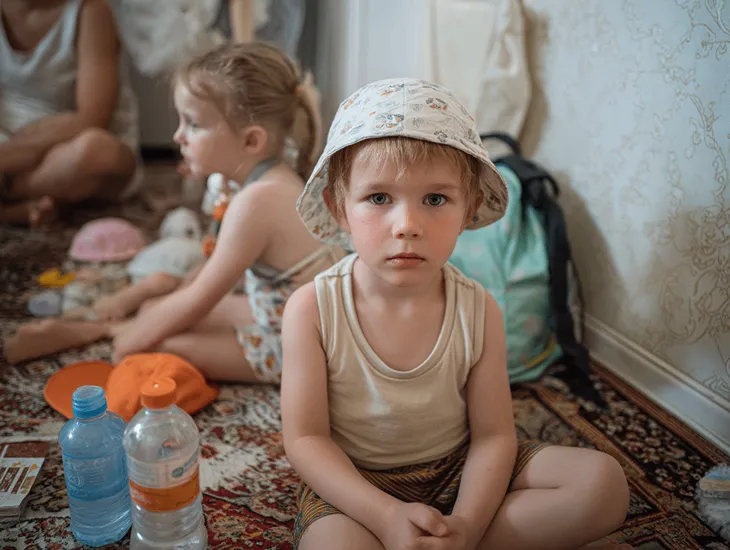
A consistent daily structure prevents overtiredness and evening meltdowns. Start your day early around seven to beat the peak heat. Early activities keep the child engaged and ready for rest.

The mid-day nap is a critical anchor for your vacation. Protect a window between one and three for a quiet rest. This downtime allows the body to recover from play.

Wind down with a bath and quiet play before bed. Aim for a routine that mirrors your home habits as closely as possible. Familiarity provides a sense of security in new tropical surroundings.

Plan your dinners early to avoid pushing past the bedtime window. Most restaurants in Indonesia are very family-friendly and open early. Early dining ensures your child stays regulated and calm.

Avoid skipping naps for long car rides across the island. Car sleep is often light and does not provide proper recovery. A stationary nap in a cool room is superior.

Consistency helps your child feel safe in a new environment. Stick to your usual bedtime rituals like reading or singing. These familiar cues signal that it is time for sleep.

Managing Stimulation and Activity Levels

Match activity intensity to the time of day and energy levels. Plan demanding trips to the zoo during the cooler mornings. Save the late afternoon for calm and shaded villa play.

Many parents notice that Toddler Sleep Problems in Bali worsen after long excursions. It is best to alternate busy days with relaxing villa days. This approach keeps the child’s nervous system regulated.

Allison arrived in Bali with her toddler in late 2023. She expected a relaxing beach holiday but faced immediate sleep disruptions. Her son refused to nap and stayed awake until midnight every day.

The sound of local roosters woke the child before dawn. Allison, a forty-five-year-old American from Portland, felt exhausted as the primary caregiver during the night. She needed a sustainable solution.

She eventually used a Nanny in Bali to establish a firm routine. The helper managed the room temperature and strict nap times. Allison finally recovered her energy and enjoyed her trip.

Professional support allowed the whole family to finally rest well. The nanny provided consistent care during the critical nap window. Allison could finally relax and enjoy the tropical scenery.

Avoiding Common Sleep Safety Pitfalls

Avoid using medications to sedate your child for flights or sleep. Pediatric experts recommend non-pharmacologic methods for managing travel disruptions. Always consult a doctor before introducing any new sleep aids.

Do not allow extended sleep in car seats once you arrive. Car seats are for travel safety but are not suitable for overnight rest. Move your child to a firm, flat surface.

Stay vigilant near pools even if you are feeling very exhausted. Overtired parents can easily become distracted or fall asleep while children play. Safety must always come before your personal need for rest.

Ensure the crib or cot provided meets international safety standards. Look for sturdy construction and a snug-fitting mattress for the child. Safety is the foundation of a good night of rest.

Pool Safety in Bali 2026 – Supervised water play, pool fences, and sun protection for toddlers in Indonesia

Check for any loose cords or small objects in the room. Many villas have unique designs that may not be childproofed. A quick safety sweep ensures your child is safe during the night.

Avoid sharing a bed if it is not your usual habit. The heat and different mattress can make co-sleeping risky and uncomfortable. Maintain your home sleep boundaries to ensure everyone rests.

Respecting Water and Heat Risks

Bali Kids Safety 2026 – Hydration, sun protection, and pool safety tips for better sleep quality

Dehydration and sun exposure can significantly disrupt a child’s sleep quality. Ensure your toddler drinks plenty of clean water throughout the day. Heat exhaustion often leads to restless nights and frequent waking.

An overtired child is more prone to accidents near the pool. Maintain direct adult supervision at all times without any exceptions. Never trade safety protocols for a quick nap or some downtime.

Use high-quality sun protection and breathable clothing during activities. Protecting the skin prevents discomfort that could keep a child awake. A comfortable child is a much better sleeper at night.

Limit pool time during the hottest part of the afternoon. The sun is strongest between eleven and three in the tropics. Shaded activities are much safer for maintaining a cool body temperature.

Consult the Indonesia Travel portal for the latest safety and health updates. Being informed helps you avoid risky areas or events during your stay. Knowledge is your best tool.

Encourage quiet time in the air conditioning after swimming sessions. This helps the body cool down and prepare for the evening. A relaxed body transitions more easily into a deep sleep.

Navigating Local Social Rhythms

Bali has a later social rhythm that may conflict with bedtimes. Local ceremonies and dinners often run late into the tropical night. Stick to your own schedule even if surroundings feel lively.

Villas often have communal layouts that encourage socializing near the pool. Enforce quiet zones around the sleeping area to protect your toddler’s rest. Consistent boundaries are necessary for your child’s recovery.

Consider hiring a professional helper to maintain the evening routine. This allows adults to enjoy dinner while the child sleeps safely inside. Professional support ensures that the schedule remains stable.

Avoid over-scheduling tours that require long hours in the car. Travel fatigue can build up quickly and impact night sleep quality. A slower pace allows for better adjustment and much more enjoyment.

Communicate your needs clearly to villa staff or hotel management. They are often very accommodating and can help provide a quiet environment. A little communication goes a long way.

Solving Toddler Sleep Problems in Bali often means saying no to late parties. Your child’s need for rest should come before social obligations. Everyone will be happier with a well-rested toddler.

Maintaining Household Balance in Bali

Achieving a balanced life requires clear communication with your travel partners. Share the duties of early morning wakes and nap-time supervision. Supporting each other reduces the overall stress of Toddler Sleep Problems in Bali.

Create a calm home base where everyone can retreat for rest. Avoid over-scheduling tours that require long hours in the car. A simpler itinerary often leads to a better family experience.

Use the quiet nap hours for your own personal relaxation or work. This time is precious for maintaining your mental health during the trip. A rested parent is a more patient caregiver.

Prioritize self-care to prevent burnout during your island vacation. Even a short walk on the beach can recharge your energy. Taking care of yourself helps you take better care of others.

Reflect on your household progress and adjust the routine as needed. Every child responds differently to the tropical environment and time changes. Flexibility within a core structure is the key.

Celebrate the small wins like a successful nap or quiet night. Positive reinforcement helps you stay motivated and focused on your routine. Enjoy the journey of traveling as a family.

FAQs about Toddler Sleep Problems in Bali

Q: How long does jet lag last for toddlers?

A: Most toddlers adjust to the new time zone within three to five days.

Q: Is it safe to use air conditioning all night?

A: Yes, set it to twenty-four degrees to prevent sweating or chills.

Q: What should I do if roosters wake my child?

A: Use a high-quality white noise machine to mask the village sounds.

Q: Can I skip the afternoon nap for a tour?

A: Skipping naps often leads to evening meltdowns and is not recommended.

Q: Is it okay for toddlers to sleep in a carrier?

A: Short naps are fine, but move them to a flat surface for rest.

Q: How do I handle Toddler Sleep Problems in Bali?

A: Use blackout blinds, maintain routines, and protect the afternoon nap window.

Need help with Toddler Sleep Problems in Bali, Chat with our team on WhatsApp now!