
Subak Museum Rice Farm Area in Tabanan in Bali for Kids
Parents visiting the rice fields of Tabanan feel overwhelmed. You want to learn about irrigation but struggle to keep children focused and safe during the trip.
Navigating outdoor complexes with toddlers is draining. The desire to absorb culture is often lost to the need to monitor your children’s movements in rural areas.
Muddy paths and irrigation channels pose risks. You spend the day shouting warnings instead of enjoying the UNESCO-recognized landscape or listening to the specialized guides.
Waking toddlers early and traveling creates fatigue. Vigilance prevents you from enjoying the scenery or reading the educational displays during your tropical vacation in Indonesia.
Selecting a verified childcare assistant provides a solution. A dedicated Sitter in Bali manages your children safely along the trail, transforming your visit into something organized.
Experts monitor water boundaries while you focus on history. Support ensures your family remains relaxed. Secure expert help for a secure family adventure at Subak Museum Rice Farm today.
Table of Contents
Understanding the UNESCO Cultural Landscape
The subak system manages water sharing fairly across thousands of paddies. This system ensures agricultural sustainability and harmony. The philosophy emphasizes Tri Hita Karana, ensuring harmony between humans, nature, and the divine.
This ancient cooperative governs the distribution through a network of weirs and tunnels. Farmers meet regularly to discuss planting schedules. This prevents conflicts and ensures every rice paddy receives enough water for growth.
UNESCO recognized this cultural heritage in 2012 as a vital landscape. The museum preserves this knowledge through detailed exhibits. A professional Sitter in Bali helps your children observe these details safely during your visit.
By observing the miniature water gates, children learn about fairness. The assistant explains how every drop counts. This turns a complex agricultural concept into a simple lesson about sharing resources in a community.
The system also involves specific rituals at the beginning of each planting cycle. These ceremonies ask for blessings from the gods. Understanding these layers adds depth to your appreciation of the lush Balinese landscape.
Expert support allows you to read the detailed placards in peace. You can study the maps of the watershed while your children are engaged. This partnership maximizes the educational value of your northern excursion.
Exploring Traditional Farming Tools Indoors
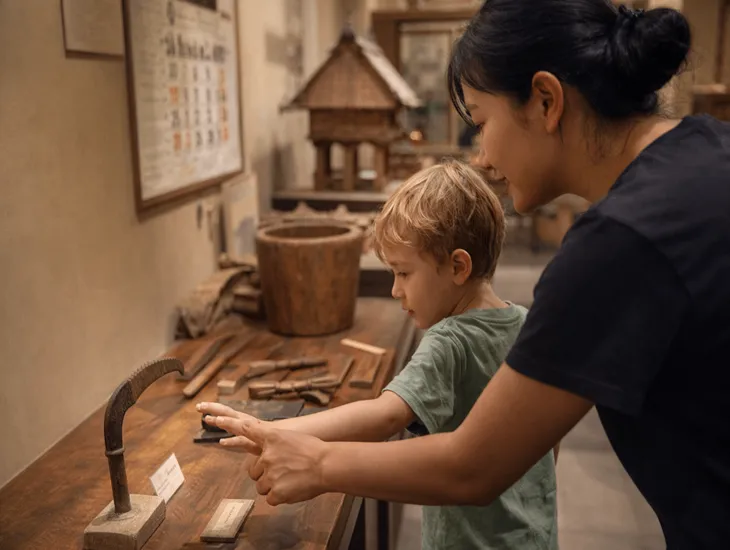
Indoor galleries house traditional tools like wooden ploughs and harvesting equipment. These exhibits show how farmers worked before modern machinery. Old documentation explains planting cycles and harvest rituals influenced by the lunar calendar.
You can see the ani-ani, a small hand-held blade used for harvesting rice stalks. There are also large wooden mortars for pounding grain. These tactile displays provide a historical perspective on Balinese village life.
The learning room allows for interactive sessions where children can touch replicas. This provides a cool break from the afternoon sun. A professional Sitter in Bali manages this boundary, allowing you to contemplate the history.
Specific displays show the lumbung, a traditional rice barn designed to keep grain dry. Its unique shape prevents pests from entering. Children are often fascinated by the miniature models of these ancient structures.
Ancient calendars, known as tika, are also on display. They track the auspicious days for planting and harvesting. This intersection of science and spirituality is a core part of the local agricultural identity.
A professional assistant ensures your children move through the galleries respectfully. They prevent running near the fragile artifacts. This careful supervision maintains the quiet atmosphere required for a museum visit in Tabanan.
Navigating the Outdoor Demonstration Area
Walking through the outdoor terraces allows kids to see water distribution in real time. The replica area features miniature rice fields and functional irrigation canals. A Sitter in Bali ensures children stay on paved paths.
This supervision protects the museum’s infrastructure and cleanliness. Parents can focus on the landscape while the caregiver monitors the group. Outsourcing childcare allows for a deeper nature experience while children remain safe and engaged.
The miniature waterfalls demonstrate how gravity moves water between different elevations. It is a functional model of the entire island’s topography. Kids enjoy watching the water flow through the tiny stone gates and tunnels.
The sound of the water provides a soothing backdrop for your exploration. You can observe the local flora and birds while the Sitter supervises the kids. This destination is a highlight for nature-loving families.
Caregivers find small stones or fallen leaves for the children to play with. They might float “leaf boats” down the tiny canals. This keeps the children happy and stationary while you take professional photographs.
The outdoor area also features a traditional kitchen setup. You can see how rice was cooked over open fires in the past. It provides a complete sensory experience of the traditional Balinese farming lifestyle.
Cultural Etiquette at Rural Shrines
Rice fields are considered sacred spaces in Indonesia. Small shrines or offerings are found near every water gate. Visitors must maintain a quiet voice during rituals. Shouting and running are strictly prohibited.
The goddess Dewi Sri is the protector of the rice. Farmers leave daily offerings called canang sari at her shrines. Teach your children to admire these colorful items from a respectful distance.
Shoulders and knees should remain covered as a sign of respect. Your assistant ensures everyone’s clothing meets these requirements. A Sitter in Bali enforces these rules with gentle reminders and constant physical supervision.
Traditional ceremonies occur frequently at this water temple. Observing these rituals is a beautiful experience for the family. The assistant helps the children put on their sarongs correctly for the Subak Museum Rice Farm in Bali.
They explain the importance of respect to your children. The assistant ensures the fabric is secure and does not cause tripping. This proactive care prevents any disrespectful accidents during your cultural visit.
Respecting these traditions ensures the site remains a living place of worship. Your helper keeps the children away from the inner sanctums. This maintains the boundary between a tourist visit and a sacred ritual.
Real Story: Exploring Tabanan Fields
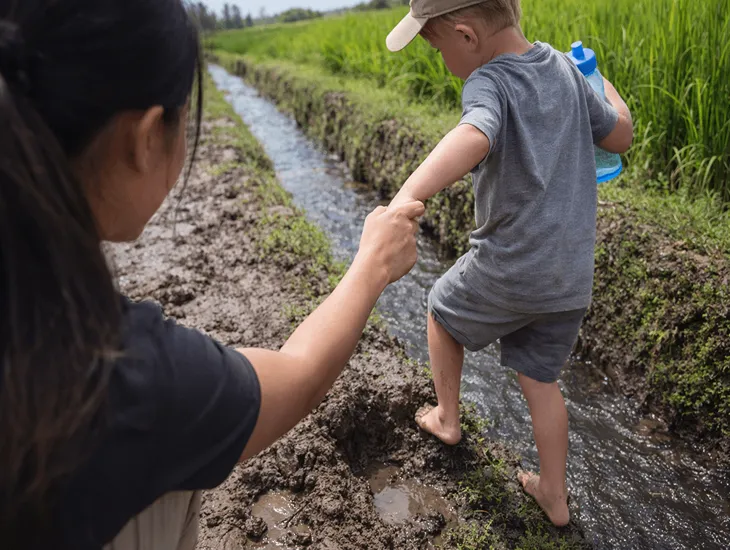
Azalea stood at the edge of the terrace as her youngest son lunged toward a muddy irrigation ditch. The thick air of Tabanan smelled of wet earth. She felt overwhelmed by the clifftop logistics.
She hired a professional babysitter service to manage her energetic boys. The caregiver brought spare clothes and kept the children safely away from the deep water channels during the trek.
Azalea finally focused on the history without stress. TheSitter explained the water gates using a fun story about sharing. This professional support turned a potential disaster into an organized and calm experience.
The trip to the Subak Museum Rice Farm in Bali was a success. The children were happy and the parents were relaxed. Azalea realized that having a second pair of hands was the best investment.
They spent three hours exploring the gardens and the library. The Sitter managed the snack breaks and the sunscreen applications perfectly. The family left Tabanan with a deep appreciation for the local irrigation heritage.
The return journey was peaceful as the children napped in the car. Azalea finally felt like she had a real vacation. Professional help transformed their northern excursion into a rewarding family memory.
Safety Protocols for Irrigation Channels
Irrigation channels require constant attention. Slippery moss often grows on the edges of the water ditches. A professional Sitter in Indonesia monitors the mud depth before kids step in, ensuring they use stable ground.
Constant supervision is necessary for active toddlers. Your Sitter in Bali provides this oversight throughout the entire visit. They carry a small first aid kit and manage sun protection for a secure family adventure.
Sharp farming tools are often used in the demonstration area. The assistant keeps the children at a safe distance from any maintenance work. This proactive safety management is vital for any rural site visit.
Your helper knows how to identify poisonous plants or stinging insects in the grass. They keep the children on the cleared paths. This local knowledge provides an extra layer of security for your family.
Sun protection is mandatory due to the open outdoor setting. The Sitter applies sunscreen every two hours. They also ensure the kids wear their hats and stay in the shade whenever possible.
Staying hydrated is the most important rule in the tropical heat. The caregiver manages the water bottle schedule. This prevents exhaustion and keeps the children’s energy levels stable during the long walk.
Educational Roles of a Sitter in Bali
A professional assistant turns a simple walk into a scavenger hunt for farming tools. They manage hygiene after mud play, carrying wet wipes and hand sanitizer. This keeps your car and villa clean.
While you focus on photography at the Subak Museum Rice Farm in Bali, your assistant manages the messy logistics. They help kids wash their feet after exploring replica terraces or miniature water tunnels.
School-age children learn about cultural statues through engaging stories from the Sitter. They learn the difference between a temple guardian and a decorative carving. This turns the visit into an interactive history lesson.
The assistant uses local materials to teach simple crafts. They might show the kids how to weave a simple grass ornament. This keeps the children’s hands busy and their minds focused on the culture.
Outsourcing childcare allows for a deeper spiritual experience for adults. You can meditate or pray while the kids are safe. Your Sitter handles the curiosities and questions of the entire group.
Choosing a specialized caregiver adds value to your heritage tour. They act as a bridge between the children and the local environment. Your family experiences a richer, more meaningful visit to the museum.
Logistics and Entrance Fees for Families
Entrance fees are affordable and support the maintenance of the facility. Current international rates are approximately IDR 15,000 for adults. Always check the latest boards at the ticket booth for updated pricing information.
Category | Estimated Rate (IDR) |
Adult | 15,000 |
Child | 10,000 |
Parking (Car) | 5,000 |
The museum is located in Sanggulan village. Visit in the early morning to avoid the tropical heat. A dedicated assistant handles the ticketing and coordinates with your driver for a smooth, organized drop-off.
Most families combine this visit with a trip to the nearby Tanah Lot temple. It makes for a complete day of western exploration. Your assistant manages the transitions between these different locations effortlessly.
The parking area is spacious and easy to navigate. Basic restrooms are available near the entrance for your convenience. Your Sitter ensures the children use these facilities before starting the outdoor garden walk.
The site is relatively quiet compared to the major southern attractions. This makes it a perfect choice for families seeking a peaceful escape. The professional support ensures the day remains calm and rewarding.
Booking a Sitter for the full day gives you total flexibility. You can stay longer at the museum if the children are having fun. Expert help ensures the schedule follows your family’s unique pace.
FAQs about Subak Museum Rice Farm in Bali
Q: Is the museum suitable for toddlers?
A: Yes, the outdoor replica fields are great for interactive play and safe learning at the Subak Museum Rice Farm in Bali.
Q: What should children wear?
A: Wear secure sandals and bring a spare outfit for muddy activities in the fields or near the canals.
Q: Are there indoor galleries?
A: Yes, the site features galleries of historical tools, ancient documentation, and detailed models of the subak system.
Q: How far is the museum from Denpasar?
A: It is approximately 20 kilometers from the center of the city, taking about forty-five minutes by car.
Q: Is it a UNESCO site?
A: The subak system it preserves is part of a UNESCO-recognized landscape in the Tabanan regency of Indonesia.
Q: Are there places to eat nearby?
A: There are local warungs near the entrance, but your Sitter can also pack a healthy picnic for the kids.

