
Sunrise School Bali: Holistic International Community Learning
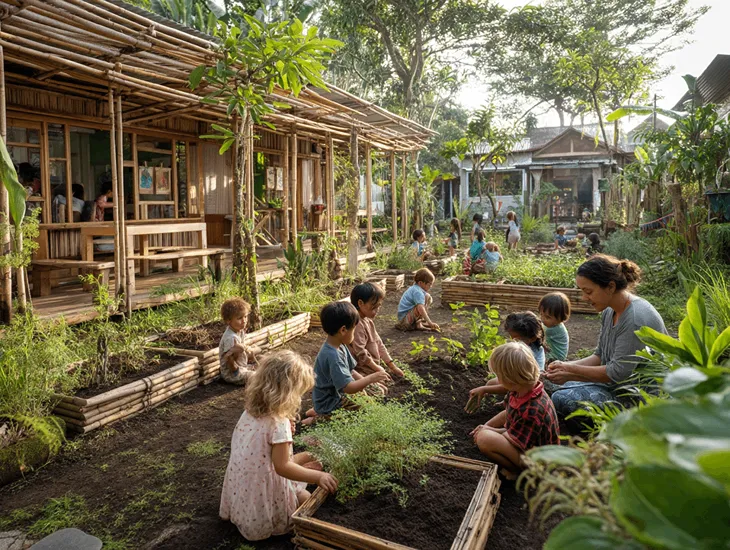
In 2026, many Bali-based families look at Sunrise School Bali when they want a small, green campus instead of a huge glass-and-concrete institution. It feels more like a village than a corporate school.
Tucked into Kerobokan near Seminyak and Canggu, Sunrise School Bali blends UK-based international curricula with Indonesian studies. The official Sunrise School Bali website outlines its holistic, nature-led mission.
From 18 months to early teens, students follow IEYC, IPC and IMYC programmes alongside Bahasa Indonesia and civics. The Sunrise School Bali curriculum overview shows how themes link across ages.
What makes Sunrise School Bali stand out for many Kerobokan and Canggu families is the daily rhythm: yoga in a shala, gardening in the soil, mindfulness and values projects built into normal literacy and numeracy.
Fee bands at Sunrise School Bali sit in the lower-to-mid range for Bali international schools in 2026, which appeals to parents seeking balance. Independent Sunrise School Bali fee summaries help frame the budget.
This guide walks through location, age range, curricula, holistic extras, fees and who Sunrise School Bali suits best, so you can decide whether this small, community-focused school matches your family’s Bali plans.
Why Sunrise School Bali Appeals to Families in 2026
Sunrise School Bali has become a go-to choice in 2026 for families who want something smaller and more grounded than a huge, corporate-style international school campus.
Set in Kerobokan near Seminyak and Canggu, the school feels more like a green community village than a formal institution, which suits villa-based, remote-working families settling into Bali life.
Many parents say the mix of international learning, Indonesian language, yoga, gardening and values work helps children root into Bali while staying connected to global pathways for future study.
Location, Campus Feel and Age Range at Sunrise School Bali
Sunrise School Bali sits on a quiet lane in Kerobokan, close to Seminyak, Umalas and Canggu, making school runs manageable for parents who work from home or share one car between villa and co-working space.
The school takes children from around eighteen months through early teens, grouping them into Early Years, Primary and Middle Years so siblings can often attend the same campus for many years.
Rather than imposing buildings, families find shady trees, play areas, garden beds and open shalas, which supports the idea of a calm, nature-based community school rather than a high-pressure exam site.
Curriculum Pathways at Sunrise School Bali from Early Years On
Sunrise School Bali follows IEYC in Early Years, IPC in Primary and IMYC in Middle Years, giving children a consistent, inquiry-based route used by many international schools while still feeling playful.
Alongside these UK-designed frameworks, students study Indonesian language, civics and culture, allowing them to meet national expectations while connecting daily themes to life in Bali and wider Indonesia.
For globally mobile families, this blend at Sunrise supports future moves, while for long-term residents it keeps paths open toward both international pathways and Indonesian options in later teenage years.
Holistic Practices and Daily Life at Sunrise School Bali Campus
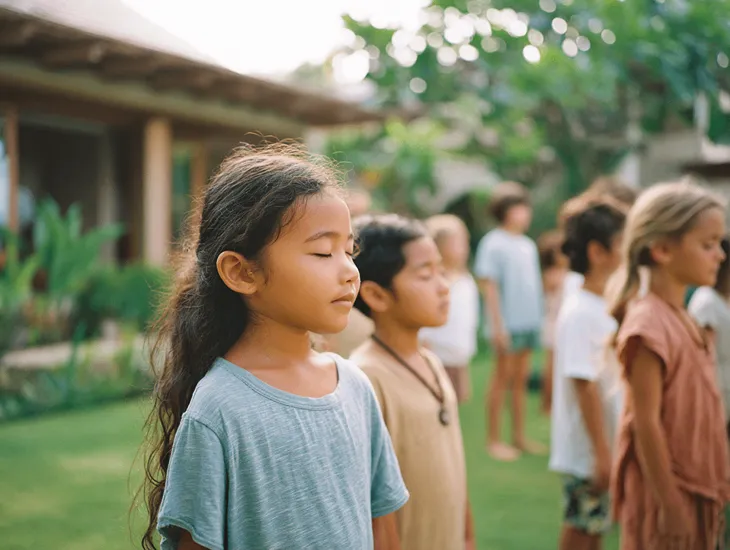
Sunrise School Bali builds holistic habits into each week, from yoga classes in a dedicated shala to mindfulness sessions, gardening, arts, music and movement woven through standard literacy and numeracy blocks.
Teachers draw on social-emotional programmes such as living-values work, friendly-school practices and child-safety education, helping students name feelings, solve conflicts and practise non-violent communication.
Time in the garden and around campus eco-projects gives children a concrete sense of composting, planting, water use and shared responsibility for spaces, which many families find mirrors their Bali lifestyle values.
Real Story — Choosing Sunrise School Bali After Moving to Bali
When Sofia’s family moved from Jakarta to Canggu in 2026, Sunrise School Bali was not on their first list; they assumed a big IB campus would be the safest choice for future moves.
After visiting several schools, they found their seven- and ten-year-olds most relaxed at Sunrise, where classes were smaller, teachers greeted them by name and the gardens felt like an extension of their villa.
A year later, Sofia says the project-based themes, gardening and yoga have helped her kids adjust to Bali life, while solid literacy and numeracy mean they could still rejoin more academic systems later if needed.
Fees, Value and How Sunrise School Bali Compares in 2026
In 2026, Sunrise School Bali sits in the lower-to-mid fee bracket among Bali international schools, with annual tuition rising by age but staying below the largest, most premium-brand campuses on the island.
Independent summaries show a spread from tens of millions of rupiah in Early Years up to a little over one hundred million for Middle Years, plus enrolment and application fees and some programme-related extras.
Parents often compare the calm, holistic environment at Sunrise with higher-priced, exam-driven schools and decide that smaller classes, green space and value education offer good value for their Bali season.
Admissions Steps and Who Sunrise School Bali Really Suits
For admissions, Sunrise School Bali starts with a simple enquiry or online form, followed by contact from the team, a campus visit, class trial if needed and placement decision based on age and space.
The school tends to suit families who prefer community feel over prestige labels, appreciate project- and play-based learning, and want children to know their teachers and classmates across age groups.
Families seeking rigorous exam preparation, large cohorts and full secondary options through age eighteen may still explore bigger campuses, then keep Sunrise in mind for younger siblings or shorter Bali stays.
Checklist for Evaluating Sunrise School Bali for Your Child
When evaluating Sunrise School Bali, start with location and transport: can you reach campus within a reasonable drive from your villa, co-working space or future rental area in Kerobokan, Umalas or Canggu?
Next, map your child’s age to class groups, ask about maximum class sizes and speak with teachers about how they support new arrivals, language differences and transitions from other systems into Sunrise.
Finally, look at sample themes, homework expectations, fee structures and wider activities, then ask yourself whether the energy of the campus matches your hopes for your child’s Bali season in 2026.
FAQ’s About Sunrise School Bali for Parents in 2026 ❓
Q: What curriculum does Sunrise School Bali follow in 2026?
A: Sunrise School Bali uses IEYC, IPC and IMYC with Indonesian national studies, so children link local culture with broader international themes.
Q: What ages does Sunrise School Bali accept?
A: Sunrise School Bali welcomes children from around eighteen months up to roughly fourteen years, covering Early Years, Primary and Lower Secondary levels on one campus.
Q: How much are fees at Sunrise School Bali in 2026?
A: Sunrise School Bali is usually in the lower-to-mid fee band among Bali international schools, with tuition rising by age plus enrolment fees and selected programme costs.
Q: What does a typical school day look like at Sunrise?
A: A day at Sunrise School Bali often blends literacy, numeracy and project work with yoga, outdoor play, gardening, arts and social-emotional learning blocks across age groups.
Q: What kind of family is Sunrise School Bali best suited for?
A: Sunrise School Bali tends to suit families wanting small classes, community feel, holistic routines and flexible future options rather than a large, exam-driven secondary campus.
Q: How early should we apply for a place at Sunrise School Bali?
A: It is wise to contact Sunrise several months before your planned move or new term, especially for popular year levels, so you can visit, join waiting lists or secure confirmed places.

