
Where to Donate in Bali: Clothes, Books, Toys, Furniture, and More
Expat families relocating often face an excess of goods. Shipping old furniture or toys internationally is expensive and impractical. Many residents leave items behind, which creates unnecessary waste.
Storing unused clothes or electronics leads to cluttered homes. Without a plan, functional goods often end up in local landfills. This waste harms the environment in Indonesia and helps no one.
Discovering where to donate in Bali provides an ethical solution. Giving used items helps vulnerable communities and supports local social projects. This transition turns household clutter into a meaningful gift.
Reputable foundations accept clean clothes, books, and furniture for those in need. These goods reach disaster-affected families and disadvantaged children. Your donation supports health and education in Indonesia.
By following professional childcare standards even during donation, you prioritize safety. Choosing verified organizations ensures your gifts reach the intended recipients. This provides safety assurance for parents.
This guide details the best donation channels and logistics for 2026. We cover drop-off points in Kuta, Denpasar, and Ubud. Learn how to contribute to a sustainable and caring community.
Table of Contents
Sole Family Bali Support for Health
Sole Family Bali focuses on people with serious health issues. They accept clean clothes for adults and kids. Donating mobility aids like wheelchairs are especially helpful for their medical mission.
Non-perishable food items are also welcome at their headquarters in Kuta. These donations directly support families with long-term disabilities. You can find drop-off boxes at several partner locations.
Canggu residents can leave items at Finns Beach Club. Ubud families can drop goods at Bisma Cottages. These accessible points make knowing where to donate in Bali very convenient.
Larger items like mattresses or specialized hospital beds are also needed. Always contact the center before delivering bulky furniture. They ensure the items match the current needs of their patients.
Their medical outreach program depends on consistent community support. Regular donations of clean linen and towels are highly valued. These items provide comfort to those undergoing long-term medical treatment.
Bali Caring Community Social Projects
Bali Caring Community runs the “Berbagi Barang Bekas” program. They take wearable clothing, bicycles, and household furniture. Functional electronics are donated or sold for social funds.
They have drop-off locations in Denpasar, Karangasem, and Buleleng. Their Sidakarya headquarters is the primary hub for larger furniture items. This foundation helps families across the entire island.
Donors should ensure all items are functional and safe for use. Broken furniture should be repaired before being sent. This maintains the high standard of the BCC social projects.
BCC also accepts kitchen utensils and small household appliances. Items like rice cookers or fans are useful for rural families. Your excess household goods can significantly improve someone’s daily life.
The foundation bridges the gap between donors and rural villagers. They survey hundreds of families to ensure direct and effective aid. This targeted approach maximizes the impact of every donated item.
Village Support via Sahaja Sawah
Sahaja Sawah Foundation focuses on village-based education and eco-projects. They accept wearable shoes, educational supplies, and basic essentials. They work closely with coordinators in Tabanan.
Families can send donations via local delivery services. This is a solution if you lack transport for larger bags. Coordination is done easily through their WhatsApp contact.
Their projects improve the daily lives of rural Indonesian families. Giving educational books helps local students reach academic goals. It is a targeted way to support local development.
The foundation also manages plastic recycling initiatives in villages. Donating functional tools or gardening equipment supports their eco-projects. This fosters sustainable development at the community level.
Sahaja Sawah provides a direct link to the farming community. Your donated items often go to families in the Tegalmengkeb area. It is a grassroots way to give back to the island.
Educational Supplies for Children in Bali
Bali Children’s Project maintains a wishlist for sponsored schools. They need school furniture, art supplies, and everyday essentials. These items help create better learning environments for students.
Kawan Baik Indonesia also accepts stationery and hygiene products. They distribute these goods to branches in Denpasar and East Sumba. They focus on providing age-appropriate and safe products.
Bilingual children’s books are highly valued by these organizations. They help local kids learn English while improving native literacy. Your old books can change a student’s future path.
School entry backpacks are a frequent request for new students. Many children only require basic supplies to begin their formal education. Providing a full kit removes a significant barrier to schooling.
Libraries in remote areas often start with very limited resources. Donating high-quality storybooks inspires a love of reading in younger generations. It is a long-term investment in the island’s human capital.
Hotel Based Donation Drives in Indonesia
Several luxury hotels run seasonal drives for guests and staff. The Mövenpick “Kilo of Kindness” is a well-known example. You can drop off toys and non-perishable food.
In-house donation boxes make the process effortless for traveling families. You can leave outgrown clothes at the end of your holiday. Hotels then coordinate delivery to local charities.
These corporate campaigns provide a bridge between tourists and local needs. They focus on everyday essentials and clean clothing. It is a simple way to participate in where to donate in Bali.
The Bali Hotels Association often coordinates large-scale linen donations. Recently, thirteen boxes of pillowcases and towels were given to SoleFamily. This collaboration ensures that surplus hotel goods reach those in need.
Check with your resort concierge about current donation initiatives. Many hotels partner with local orphanages for specific holiday drives. It allows you to give back during your stay in Indonesia.
Acceptable Items and Common Restrictions
Most charities require clothing to be clean and undamaged. Worn underwear and soiled socks are never accepted for hygiene reasons. Modest clothing is preferred to align with local norms.
Toys must be complete and free of sharp edges. This ensures the safety of the children who receive them. Broken toys create waste that charities cannot manage.
Mattresses and cabinets must be functional and structurally sound. Hazardous or severely damaged items are often excluded. Inspect every piece of furniture before arranging a pickup.
Charities often pause intake when their storage capacity is reached. Always verify the current status before making a long trip. This respect for their logistics ensures a smoother donation process.
High-quality electronics like laptops are in high demand for schools. Ensure all personal data is wiped before you donate devices. This protects your privacy while providing essential tools for students.
Real Story: Marco’s Furniture Solution in Pererenan
Marco (42, Italy) moved from a Pererenan villa to a smaller apartment. He possessed high-quality cabinets and chairs that did not fit his new space. He needed an efficient way to transfer these items.
Selling used furniture in Pererenan became a logistical hurdle for Marco. He spent hours coordinating with unverified buyers who failed to arrive. He managed the inventory while coordinating local transport options.
Marco stopped attempting to sell his villa furniture and sought an ethical disposal method. He used a local charity portal to find where to donate in Bali for larger items. He contacted a community project in Denpasar.
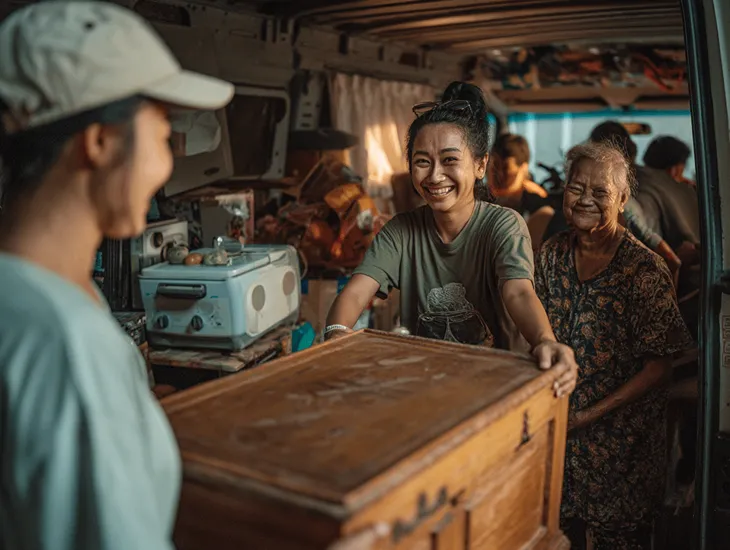
The foundation sent a truck to collect the furniture immediately. This decision cleared his apartment while supporting local village development. Marco felt satisfied that his goods would help families in need.
He documented the handover for his own records and peace of mind. The foundation provided a receipt and a brief explanation of their work. This professional exchange confirmed his choice to donate instead of sell.
Marco now encourages other expats to use verified charity channels. He realized that giving back is faster than waiting for unreliable buyers. It is a more rewarding way to manage a relocation.
Logistics: Drop-off and Pickup Options
Organizations list exact addresses and contact numbers on their websites. Some foundations offer coordination via Go-Send if you live in Denpasar. This allows for contactless giving from your villa.
Bali Children’s Project accepts in-person drop-offs during office hours. You can also coordinate direct deliveries from stores for new items. This flexibility helps donors contribute in various ways.
Check if intake is currently open before you drive to a hub. Some charities pause donations when storage capacity is full. A quick message ensures your trip is productive and helpful.
Many foundations operate on specific schedules during the holiday season. Always confirm opening hours if you plan a weekend drop-off. Professional organizations usually respond quickly to WhatsApp inquiries.
If you are donating a large volume of goods, ask about pickup. Some charities have their own trucks for collecting furniture or multiple boxes. This service is often reserved for high-value or high-volume donations.
Knowing exactly where to donate in Bali saves time and energy. Use Google Maps to find the nearest SoleFamily or BCC drop box. These stations are often located in familiar tourist areas.
Logistics companies sometimes partner with local groups for free shipping. JNE has previously offered no-cost transport for donated clothes within certain weight limits. Check for these partnerships to save on delivery fees.
Using a professional courier ensures your goods arrive safely and on time. Most charities prefer coordinated deliveries over random drop-offs at their gates. This respect for their time supports their daily operations.
FAQs Donate in Bali
Q: Do charities pick up large furniture?
A: Yes. Organizations like Bali Caring Community can coordinate pickups for functional furniture.
Q: Can I donate used underwear?
A: No. Used intimate items are not accepted for hygiene and cultural reasons.
Q: Where can I drop off toys in Ubud?
A: Bisma Cottages is a regular drop-off point for Sole Family Bali.
Q: Do I need to clean clothes first?
A: Yes. All donated textiles must be washed and folded before giving.
Q: Are broken electronics accepted?
A: Some groups repair items, but always check first with the foundation.
Q: Can I send items via Gojek?
A: Yes. Many foundations accept deliveries if you coordinate via WhatsApp first.

