
Review Us
Beach activities in Bali 2026 – Outdoor play, saltwater benefits, and child immune support for families
author

Why Beach Time Helps Reduce Colds in Kids Living in Bali

Children in air-conditioned environments often suffer from recurring respiratory infections. Frequent colds disrupt school schedules and professional routines for parents living in tropical regions. Poorly ventilated indoor spaces trap airborne droplets and pathogens. 

Consistent viral exposure in closed rooms creates a cycle of illness that exhausts families. These health hurdles create significant administrative friction and persistent fatigue for working parents living in Indonesia. 

Recurrent illness creates stress for households. Parents struggle to find natural ways to support immune health while balancing deadlines. Persistent humidity can also worsen respiratory symptoms in young toddlers. 

Without proper intervention, a minor cold often escalates into a secondary infection. Managing a sick child while maintaining output is a significant logistical hurdle for expatriates living in modern Indonesia.

Utilizing nature-based play effectively supports healthier outcomes and reduces exposure to indoor pathogens. Regular outdoor activity provides fresh air and reduces viral exposure compared to enclosed spaces.

Planning Beach Time for Kids in Bali offers therapeutic advantages. This outdoor lifestyle ensures your children remain healthy. Professional support helps families transition from sedentary indoor habits to a resilient coastal lifestyle.

Infection Prevention in Natural Environments

Outdoor environments show lower risks for airborne virus transmission than poorly ventilated rooms. Natural air movement dilutes respiratory droplets, while sunlight reduces the survival time of common viruses during the day.

Spending time at the coast encourages physical activity, which strengthens the cardiovascular system. Healthy children with active lifestyles generally experience less severe symptoms when encountering infections. Interaction with natural elements strengthens immunity. 

The beach provides a low-density alternative to crowded indoor malls. Reducing exposure to large groups in enclosed spaces is a primary strategy for preventing the spread of colds. Fresh ocean breezes move air.

Air circulation in coastal areas prevents the accumulation of stagnant aerosols that harbor pathogens. This natural ventilation exceeds the performance of modern filtration systems found in residential apartments or urban offices.

Interaction with the natural environment helps children develop diverse microbial exposure. This biological diversity is necessary for building a robust immune response that protects against seasonal respiratory bugs and common infections.

Respiratory Benefits of Saline Air

Respiratory Health in Bali 2026 – Isotonic nasal rinses, sea air benefits, and child wellness in Indonesia

Seawater contains minerals that support respiratory health in children. Saline solutions are proven to speed recovery from common colds and reduce infection frequency. Breathing in moist, salty air at the beach helps clear mucus.

This process improves the function of cilia, which are tiny hairs that move pathogens out of the body. Saline irrigation reduces the viral load in the upper respiratory tract during the recovery phase.

Beach Time for Kids in Bali allows for natural saltwater exposure while paddling in the shallows. Gentle splashes provide a saline mist that can soothe irritated throats and clear nasal congestion naturally. 

Daily exposure to ocean spray acts as a natural therapy for the sinuses. This helps maintain the hydration of nasal passages, which is a critical defense against viral entry into the body. 

Rinsing the nasal cavity with safe saltwater solutions after being in crowded spaces further reduces illness risk. This simple habit keeps the upper airways clean and free from environmental irritants found elsewhere.
Sunlight and Vitamin D for Immunity

Sunlight exposure is the most effective way for the body to produce vitamin D naturally. Adequate levels of this nutrient are associated with fewer and less severe respiratory infections in young children. 

In Indonesia, the abundance of sunlight makes it easy to maintain healthy vitamin D status. This supports the immune system’s ability to fight off viruses that cause household colds and flu symptoms. 

Obtaining this benefit through natural sunlight at the beach is an ideal solution for growing children. Short sessions in the morning provide sufficient UV rays for vitamin D synthesis without creating excessive risk. 

Parents must balance UV exposure with strict safety protocols to prevent long-term skin damage. Managed sessions ensure children receive the immunological benefits of the sun while remaining protected from intense tropical heat. 

Vitamin D regulates the production of antimicrobial proteins in the respiratory tract. These proteins act as natural antibiotics, making children more resilient when they encounter seasonal viruses in the community or school. 

Managing High UV and Heat Risks

Bali features a high UV index that requires management by caregivers. Direct sun exposure between 11:00 and 15:00 should be avoided to protect sensitive skin. Applying child-safe sunscreen every two hours is mandatory. 

UV-protective swimwear and wide-brimmed hats offer essential physical barriers. These items reduce the risk of sunburns while children enjoy seaside play. Dehydration is a risk for active children playing on the sand. 

Caregivers must ensure children drink bottled water regularly and take frequent shade breaks. Monitoring for early signs of heat exhaustion is a critical responsibility. A trained professional knows how to balance safety. 

Ensuring that children remain comfortable in the tropical sun requires constant vigilance. Professionals use timers to remind families about water intake and sunscreen reapplication, ensuring that safety routines never slip during play.

Thermal regulation is more difficult for young toddlers compared to adults. Caregivers prioritize cooler locations with natural shade to prevent overheating while still allowing the child to benefit from the fresh air.

Age-Appropriate Health Routines in Bali

Toddlers benefit from short morning sessions focused on sensory sand play. Supervised paddling in shallow water provides gentle exercise and exposure to saline mist. This movement supports cardiovascular fitness and helps improve sleep. 

Teaching respiratory etiquette at the beach is important. Children should cover their coughs and avoid close contact with anyone visibly ill. Incorporating a quiet shade time for reading prevents overstimulation during the trip. 

Using hand wipes before eating at the beach is essential for hygiene. This step prevents the ingestion of bacteria from the sand. Customizing the routine based on child energy levels ensures success.

School-aged children can engage in more active swimming or ball games to boost their heart rate. This type of physical exertion is vital for maintaining a strong and healthy immune system over time. 

Regular exposure to nature reduces the physiological stress levels in children. Lower stress levels are directly linked to better immune function, helping children fight off common colds more effectively during the year.

Real Story: Improving Health in Sanur

Family Wellness in Bali 2026 – Morning beach routines, child health for expats, and professional caregiver support

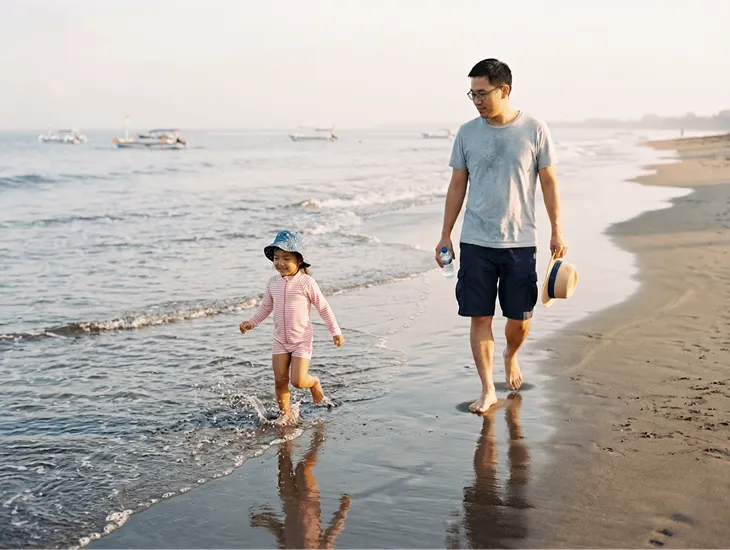
Raymond identified a respiratory health deficit shortly after relocating to Denpasar. His daughter developed a persistent cough that disrupted her sleep and his professional schedule. He required an intervention to stabilize her.

He had previously relied on crowded indoor spaces for her daily exercise. The air-conditioned environments seemed to prolong her cold. Raymond hired our professional babysitter service to implement a morning beach routine.

The natural saline air and gentle sunlight stabilized her respiratory health within two weeks. The transition to consistent coastal play allowed the whole family to thrive and reclaimed his work schedule.

The caregiver ensured his daughter remained hydrated and protected from UV rays. This professional oversight allowed Raymond to focus on his business meetings without worrying about his daughter’s persistent health concerns.

This case demonstrates how switching to an outdoor lifestyle can improve child health. Professional support makes this transition sustainable for busy expatriate families who need reliable, health-conscious childcare solutions in Indonesia.

Hygiene Standards for Seaside Play

Maintaining hygiene standards is necessary to prevent infections while playing outdoors. The Ministry of Health in Indonesia emphasizes handwashing as a primary defense. Caregivers must carry portable hand sanitizer.

Avoiding the ingestion of ocean water is a non-negotiable safety rule. Only sealed, bottled water should be used for drinking or rinsing mouths. Sanitizing beach toys after each use prevents bacterial growth.

Food should be stored in insulated containers to prevent spoilage. A professional babysitter monitors these details with precision. They ensure children wash their hands thoroughly before touching their faces during coastal play.

Sand can harbor pathogens if the area is frequented by animals. Caregivers inspect the play site before letting infants crawl, ensuring the environment is clean and free from any potential health hazards. 

Proper disposal of waste and used wipes keeps the environment safe for everyone. A professional caregiver models good ecological habits while maintaining the strict hygiene standards required to protect your child’s health.

Professional Supervision for Active Kids

A vetted babysitter provides the vigilance required to keep beach sessions safe. They understand the balance between sun exposure and UV protection. They manage the logistics of hydration and sunscreen application for you.

Our staff is trained in first aid and water safety protocols. They choose family-friendly beaches with gentle waves. Beyond safety, they organize activities that promote development through sand and water play.

They turn Beach Time for Kids in Bali into a wellness experience. Hiring an expert eliminates the stress of managing trips independently. You receive the benefits of a healthy lifestyle without the burden.

Supervised play ensures that children are never left alone near the water’s edge. This constant presence allows for immediate intervention if a safety concern arises, providing parents with absolute peace of mind.

Vetted caregivers also track the child’s energy levels and hydration status throughout the outing. Detailed updates allow parents to stay informed about their child’s daily health and developmental progress while they work.

FAQs about Beach Time for Kids in Bali​

Q: Does saltwater help with colds?

A: Saline air helps clear mucus, and nasal rinses speed recovery from respiratory infections.

Q: How do I manage sun safety?

A: Use UV swimwear, apply sunscreen every two hours, and avoid the beach from 11:00 to 15:00.

Q: Which beaches are best for toddlers?

A: Sanur and Jimbaran are recommended for gentle waves and professional lifeguard services.

Q: Can a babysitter take kids to the beach?

A: Yes. A safety-trained babysitter can manage routines, hydration, and sun protection while you work.

Q: How often should we visit the beach?

A: Regular visits, such as three times a week, help maintain vitamin D and support immune resilience.

Q: What should I pack for a healthy trip?

A: Pack bottled water, sunscreen, hand wipes, UV hats, and a first-aid kit for stings.

Would you like me to find a safety-trained caregiver to implement a morning Beach Time for Kids in Bali routine for your children?