
Review Us
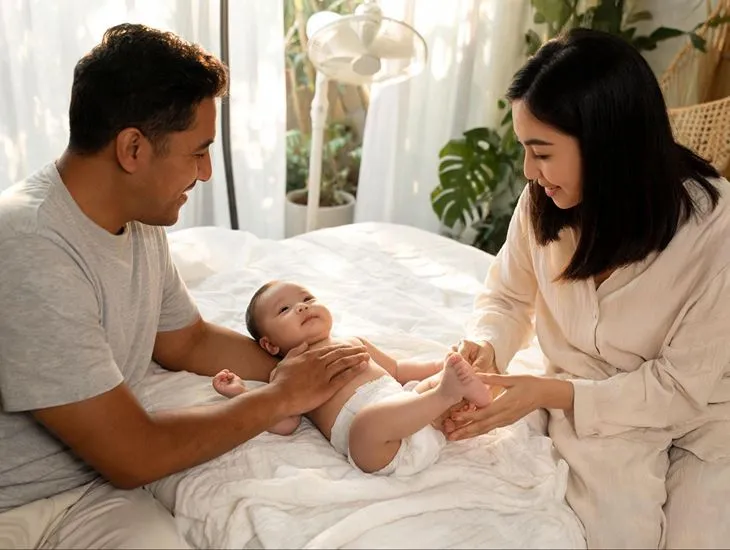
Baby Growth and Development in Bali 2026 – gentle touch, tropical bonding routines, trained babysitter support for daily affectionate care
author-2

Why Gentle Touch Helps Baby Growth and Development in Bali

Raising an infant in a tropical environment presents unique logistical challenges. Foreign parents often struggle to maintain consistent bonding routines while managing work and heat. A lack of physical engagement complicates bonding.

This situation hinders an infant’s emotional security. Without regular physical contact, babies experience increased cortisol levels. This biochemical change disrupts sleep and slows down essential developmental milestones during early years.

Establishing a foundation of trust through physical engagement is the primary solution. Evidence shows that gentle touch supports neurological health. Integrating these rituals ensures your child thrives during sensitive growth periods.

The World Health Organization emphasizes that nurturing care, including responsive touch, is vital. These interactions support brain development and healthy growth. They represent building blocks for a successful future.

Consistent physical engagement accelerates baby growth and development in Bali. Utilizing a trained babysitter ensures your child receives affectionate care throughout the day. This intervention stabilizes the infant’s well-being.

A dedicated caregiver implements bonding rituals with professional precision. By prioritizing gentle touch, you secure your child’s health. This approach turns daily care into a high-value developmental opportunity.

Global Science of Nurturing Care

The Nurturing Care Framework highlights responsive caregiving as a necessity. Activities like cuddling and gentle contact build neural pathways for early learning. This process establishes the foundation for long-term health outcomes.

Skin-to-skin contact provides immediate physiological benefits by improving temperature regulation. These biological markers are critical during the first few months of life. It helps stabilize heart rates and breathing patterns.

Responsive touch builds a sense of deep security. When a caregiver responds with affection, the baby learns to trust their environment. This emotional stability allows the brain to focus on growing.

Cuddling during feeding sessions further strengthens the caregiver-baby bond. These moments of vocalization and touch stimulate the central nervous system. Consistent engagement through touch is proven for improving cognitive and social outcomes.

Professional caregivers follow global standards to support your family. They ensure every interaction is meaningful and supportive for the child. This care protects the long-term health outcome of your infant.

Establishing trust through affectionate touch reduces systemic stress. It creates a calm environment where the infant can explore their world. This security is the primary requirement for all future social learning.

Clinical Benefits of Infant Massage

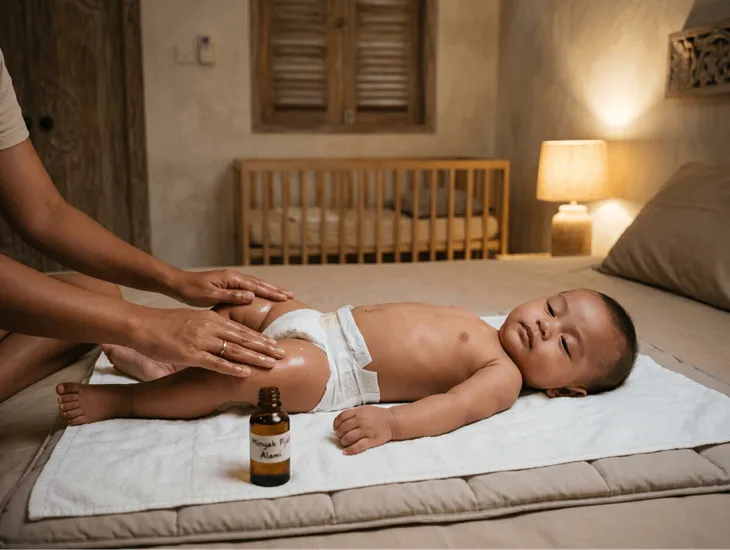
Infant Massage 2026 – Growth gains, sleep improvement, and sensory development in Indonesia

Infant massage provides developmental stimulation. Clinical studies show that regular massage significantly improves sleep duration. This relaxation helps infants process the sensory input they receive during their active hours on the island.

Massage also contributes to greater weight and height gains by relaxing the body. It increases serotonin while decreasing cortisol levels in the blood. This physiological calm supports the metabolic processes required for growth.

Touch stimulates myelination, which is vital for sensory and motor skills. Providing varied sensory input through massage helps the brain organize information. This process is a key driver for early motor achievements.

Mothers who engage in regular massage report higher confidence and stronger attachment. These rituals create a positive feedback loop of affection. Professional sitters can support these parent-led routines under clear pediatric guidance.

Using baby-safe oils during massage provides additional sensory benefits. The combination of smell and touch creates a soothing ritual. This comprehensive approach ensures that infants remain calm while meeting their growth targets.

The tactile stimulation of massage improves circulation throughout the body. It helps infants gain awareness of their physical boundaries and movements. This physical mapping is crucial for developing robust coordination skills early.

Daily massage sessions provide a dedicated time for focused interaction. This undistracted attention makes the infant feel valued and seen. It is a powerful tool for enhancing the overall quality of care.
IDAI Guidance on Safe Baby Massage

The Indonesian Paediatric Society (IDAI) views baby massage as a valid form of stimulation. It can be started during the newborn period for healthy infants. Experts recommend following safety instructions to ensure comfort.

Massage should only occur when the baby is calm and willing. It is not recommended immediately after feeding or when the infant is hungry. Waking a sleeping baby for a massage is strictly prohibited.

IDAI emphasizes that parents should lead these bonding rituals. Health professionals provide guidance on appropriate techniques. Safety is the highest priority for physical stimulation in any domestic or professional care setting.

Proper technique involves avoiding firm pressure on soft tissues or joints. Caregivers must use gentle strokes to protect the infant’s delicate structure. Establishing a safe environment is the first step for any session.

The room should be warm and the caregiver’s hands must be clean. Following these IDAI guidelines ensures that stimulation remains a positive experience. Respecting the child’s body language is a mandatory requirement.

Caregivers must monitor for any signs of physical distress during the session. If the infant becomes agitated, the activity must stop immediately. This responsive approach protects the child’s comfort and emotional well-being.

Cultural Context of Care in Indonesia

In Indonesia, baby massage is a traditional practice integrated into modern pediatric care. It is viewed as a form of sensory input alongside talking and playing. Health professionals describe it as a ritual.

Massage supports circulation and promotes better sleep for infants. These wellness services often use soft strokes and light stretches to calm the baby. This tradition complements Western standards of infant care and development.

Increased physical contact makes infants feel noticed and safe. This cultural emphasis on touch aligns with global nurturing care principles. It strengthens the social bond between the child and their primary local caregivers.

Expatriate families can benefit from these local insights for a balanced approach. Reputable agencies train their staff to respect cultural and pediatric standards. This ensures that your babysitter provides locally informed care.

Affectionate care is a universal requirement for healthy child development. Integrating traditional techniques with modern safety rules provides a comprehensive support system. This synergy ensures your child receives the highest standard of care.

Understanding local customs helps foreign parents navigate domestic help relationships. Respecting the tradition of “pijat bayi” creates a harmonious household. It allows the caregiver to share their cultural expertise in a safe.

Age-Appropriate Touch for Daily Care

Infants aged zero to six months require gentle holding and rocking. Cuddling during feeding is the most frequent form of touch. This age group also benefits from short massage sessions when awake.

Babies aged six to twelve months engage in more active play. Touch is integrated into floor activities and guided stretching. Simple games combined with songs encourage motor exploration and social laughter during playtime.

Toddlers require affectionate physical play like hugs and holding hands. Cuddling remains an essential tool for providing comfort during transitions. Integrating touch into storytelling creates a secure environment for early language learning.

Consistent bedtime rituals through touch improve the quality of the child’s rest. Professional babysitters adapt their touch to match the developmental stage. This ensures interactions are always respectful and appropriate for the age.

Guided physical contact helps older babies learn to regulate their emotions. A soothing hand on the back can prevent a meltdown during a transition. This proactive comfort is a hallmark of skilled childcare.

As children grow, touch becomes a tool for teaching social boundaries. Holding hands while walking near roads is a safety requirement. It combines physical protection with a reassuring sense of parental presence.

Real Story: Bonding Rituals in Pererenan

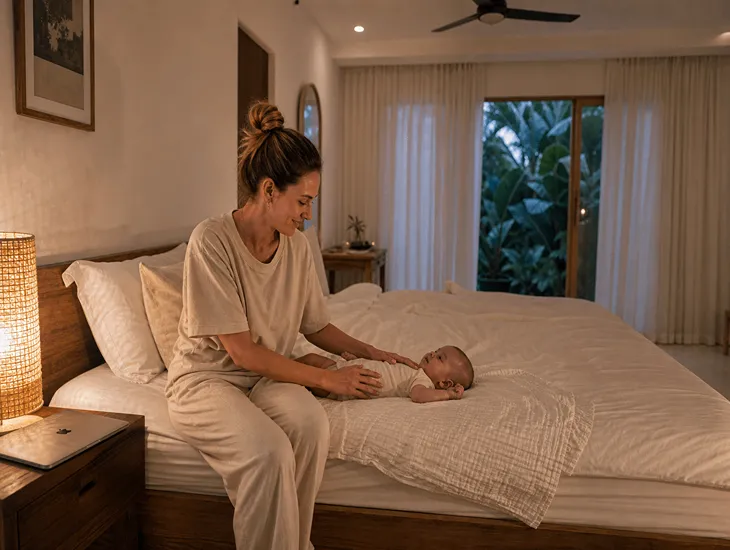
Bonding Rituals 2026 – Childcare routines, responsive touch, and infant development in Bali

Emily identified a bonding deficit shortly after arriving in Pererenan from Australia. She struggled to maintain responsive contact with her infant. High-pressure remote work commitments consumed her daily schedule.

The lack of a structured routine resulted in disrupted infant sleep. Training her independent helper proved difficult due to limited resources. Emily required a professional who understood true nurturing care.

She hired our agency to supply a trained caregiver in Pererenan. Her previous arrangement lacked the necessary childcare expertise. The new assistant immediately integrated gentle touch into the daily routine.

This intervention stabilized the infant’s sleep patterns within one week. The caregiver utilized soft strokes during bedtime while following instructions carefully. This consistency allowed Emily to focus on her work.

Her child began reaching developmental milestones consistently as stress levels dropped. Emily successfully balanced her professional deadlines with her family’s needs. The expert childcare provided a sustainable solution locally.

The caregiver also taught Emily how to perform the massage herself. This empowered her to take an active role in the bonding process. It strengthened their relationship during their time in Indonesia.

Safety Protocols for Physical Stimulation

Physical stimulation must always follow the infant’s cues. Caregivers should stop immediately if the baby cries or appears uncomfortable. Respecting these boundaries is a non-negotiable standard for professional childcare workers in Indonesia.

Massage is strictly prohibited when a baby has a fever. It should not be used as a substitute for medical care. If a baby shows signs of poor feeding, contact a doctor immediately.

Reputable agencies ensure their staff are educated on these precautions. They use baby-safe oils only with explicit parental approval. Caregivers must maintain clean hands and a warm environment throughout the entire stimulation session.

Avoid firm pressure on the infant’s fontanelle or soft tissues. Techniques should be limited to gentle stroking as taught by experts. Babysitters are trained to escalate any worrisome signs to parents for review.

Vigilance protects the infant’s overall physical and neurological well-being. Caregivers must never force an interaction if the child is resisting. This respect for the child’s autonomy is essential for building a trusting relationship.

Ensuring the child is in a safe position is also mandatory. Massage should occur on a flat, secure surface to prevent falls. These basic safety rules are the foundation of any professional care.

The Role of Professional Babysitters

A professional babysitter helps maintain consistent touch-based routines. They are educated on global nurturing-care principles and local precautions. This expertise allows them to support baby growth and development in Bali safely.

They integrate cuddling and calming touch into daily activities like songs. This consistent affection is vital for building the child’s trust. Caregivers also support parent-led bonding rituals to ensure continuity of care.

Professional vetting ensures your sitter is focused on baby-led comfort. They prioritize the child’s well-being above operational convenience. Delegating these tasks to a trained expert reduces parental burnout and ensures a stable home.

Our staff works as an extension of your parenting philosophy. They implement your preferred routines with accuracy and care. This collaborative approach ensures that your child thrives in a secure and loving environment.

Hiring a trained professional provides a layer of safety that informal help lacks. It ensures that all physical stimulation is performed correctly and ethically. This commitment to quality defines our babysitter service.

Investing in skilled care is an investment in your child’s future. It provides the high-quality interaction needed for optimal growth. This professional oversight is the key to a successful family experience in Indonesia.

FAQs about Baby Growth and Development in Bali​

Q: Why is gentle touch important for brain development?

A: Touch stimulates the central nervous system and myelination, which are essential for sensory and motor skills.

Q: Can a babysitter perform a baby massage?

A: Yes. If they are trained and follow parental guidance on safe, gentle techniques and medical protocols.

Q: When should I avoid massaging my baby?

A: Avoid massage if the baby has a fever, is ill, or appears uncomfortable and cries.

Q: Does touch help a baby sleep better?

A: Yes. Gentle touch reduces cortisol and relaxes the infant, which improves sleep duration.

Q: Is skin-to-skin contact only for newborns?

A: No. While critical for newborns, responsive physical contact remains vital throughout the first years.

Q: How do you verify a sitter’s massage skills?

A: Agencies conduct reference checks and verify training certificates from reputable medical institutions.

Need help with baby growth and development in Bali? Chat with our team on WhatsApp now!