
Wild Animals In Bali: Where To See Wildlife In And Around The City
Many families arriving in the urban centers of Indonesia expect to see exotic creatures immediately. However, the concrete jungle often hides the vibrant wildlife that makes this island so famous globally.
Parents worry about finding ethical encounters that are safe for toddlers. Navigating crowded streets while searching for authentic animal experiences can lead to major stress and disappointment for traveling families today.
You might feel restricted by the lack of clear information regarding safe wildlife zones. Without local knowledge, you risk missing the hidden sanctuaries that offer genuine connections with the local fauna.
You might end up at unregulated roadside stops where animal welfare is not a priority. Seeing creatures in poor conditions ruins the vacation spirit and sets a bad example for your children.
Worse, interactions with aggressive macaques or stray dogs pose significant health risks like rabies. Without professional guidance, a fun afternoon can quickly turn into a medical emergency requiring urgent hospital care.
The solution lies in visiting vetted sanctuaries that follow international standards and welfare protocols. These locations offer safe, educational, and ethical ways to witness nature near urban hubs on the island.
This guide explores the best places to see Wild Animals In Bali while maintaining safety. Check the official Wonderful Indonesia website for the latest travel and conservation alerts.
Table of Contents
Sacred Monkey Forest in Ubud
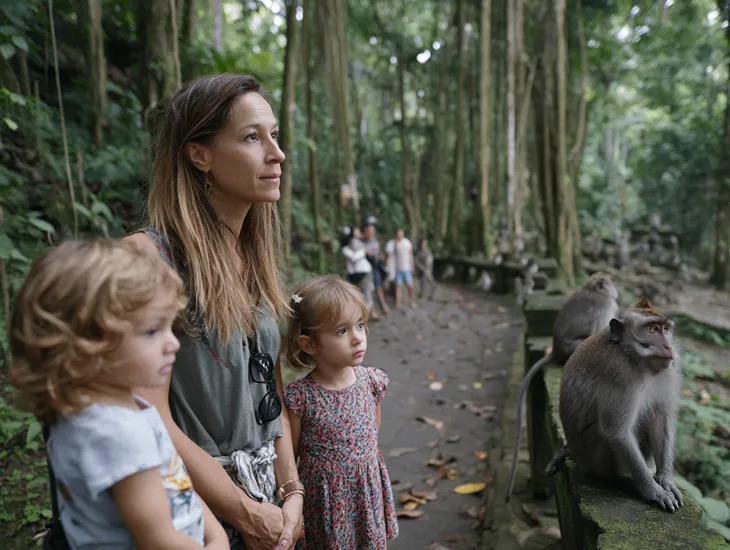
The Sacred Monkey Forest in Ubud is home to hundreds of long-tailed macaques. It is a stunning temple complex where nature and ancient Balinese culture blend together in a lush environment.
Visiting this site allows you to see Wild Animals In Bali in a managed setting. The forest is considered a sacred sanctuary where the monkeys are protected by the local spiritual community.
Families must follow strict rules to ensure a safe visit for everyone. Avoid making eye contact and keep all food items hidden to prevent the macaques from approaching you or your children.
The forest features three ancient temples that are still used for local ceremonies today. Walking through the shaded paths provides a cool escape from the tropical heat of the busy Ubud center.
You should plan your visit early in the morning to avoid the largest crowds. This allows for a more peaceful experience while observing the monkeys as they begin their daily social routines.
Sangeh Nutmeg Forest Sanctuary
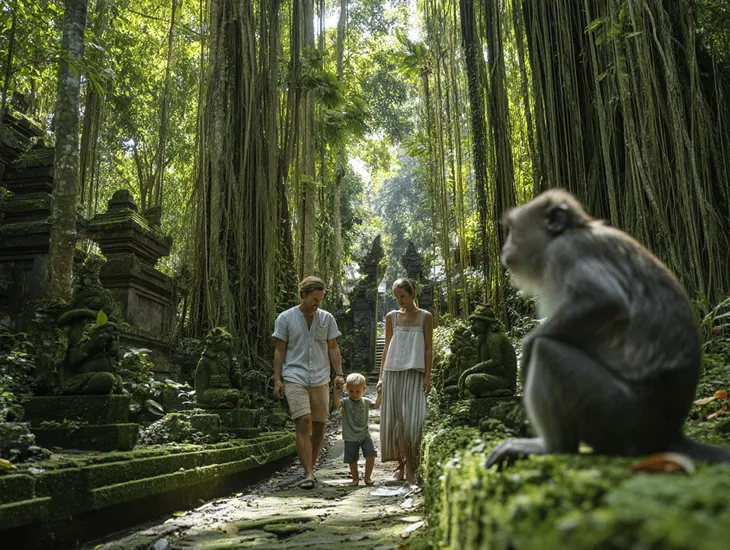
Sangeh Forest offers a quieter alternative to the busy centers of Ubud. It is famous for its towering nutmeg trees that create a majestic canopy over the ancient temple structures located below.
The macaques here are generally calmer but still require careful supervision by parents. Hiring a local guard for a small tip ensures a safe passage through the woods for your young kids.
This location provides a peaceful atmosphere for observing Wild Animals In Bali. It is a perfect spot for photography and teaching children about the delicate balance of the local island ecosystem.
The moss-covered statues and quiet trails make this forest feel like a hidden world. It is an ideal destination for those seeking a more authentic and less touristy wildlife experience today.
Exploring the deeper parts of the sanctuary reveals hidden stone carvings and ancient shrines. These historical elements add a sense of wonder to your nature walk through the towering nutmeg trees.
Tropical Bird Park in Batubulan
The Tropical Bird Park in Batubulan features over one thousand birds across two hundred species. It is a world-class facility that focuses on the conservation of endangered creatures like the Bali Starling.
Stroller-friendly paths make this destination ideal for families with very young toddlers. You can enjoy interactive shows where birds fly freely above the audience in a safe and controlled outdoor environment.
The park follows strict hygienic standards to protect both the visitors and the feathered residents. It is one of the most educational places to see exotic Wild Animals In Bali today.
Kids can learn about the different bird habitats ranging from the African savannah to the jungles. The park also houses a Komodo dragon, providing a rare look at a legendary predator.
Regular educational sessions held by park rangers offer deep insights into avian behavior and breeding. These sessions are highly engaging for children who are curious about the natural world around them.
Turtle Conservation Center in Serangan
Serangan Island is a hub for sea turtle rescue and rehabilitation efforts. Families can learn about the life cycles of Green and Hawksbill turtles while supporting local marine conservation projects.
Hatchling releases are a highlight for children, offering a hands-on experience with nature. These events are usually donation-based and help fund the protection of nesting sites across the southern coastline.
The center provides educational tours that explain the dangers facing these Wild Animals In Bali. It is an inspiring visit that encourages environmental responsibility in the next generation of travelers.
You can see injured turtles being cared for in specialized tanks by trained professionals. This direct look at conservation work makes a lasting impact on young minds during their vacation.
Volunteers at the center are passionate about sharing their knowledge regarding marine biology and sustainability. Their stories of successful rescues provide hope and motivation for families to protect our oceans.
Real Story: The Davidson Family
Anna Davidson, a digital nomad from Australia, moved her family to a villa in Pererenan. She wanted to take her young kids to see the monkeys but feared aggressive behavior.
Her youngest child, Leo, felt terrified of the large macaques after hearing loud stories. Anna feared her son would miss out on local traditions if they skipped the famous forest trip.
She decided to use bali-nanny.com to find a professional caregiver for the day. Their nanny, Komang, arrived with calm energy and extensive training in wildlife safety to manage the tour.
Komang guided the children through the ancient stone gates with a very reassuring presence. She knew exactly how to distract the monkeys while keeping the kids engaged in the educational experience.
The heavy humidity and the sound of distant traffic faded as the kids laughed. They successfully finished the tour without any tears, creating a beautiful memory for the entire Davidson family.
Anna felt relieved to see her children bond with nature safely under expert care. It was the perfect solution for a stressful logistical hurdle during their stay in the south.
Sacred Heron Colony in Petulu
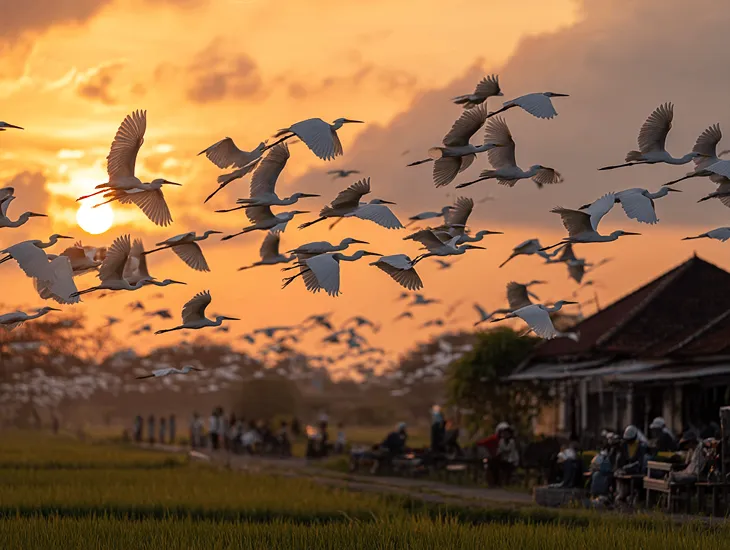
Every sunset, thousands of white herons fly to the trees in Petulu Village. This natural phenomenon is a spectacular sight located just a few minutes north of the busy Ubud center.
The local community considers these birds to be sacred guardians of the village. Visitors should observe from a distance using binoculars to avoid disturbing the herons during their nesting rituals.
There is a minimal entry fee that goes toward maintaining the village paths. It is a peaceful way to end the day while witnessing the beauty of Wild Animals In Bali.
The sight of thousands of birds arriving against the golden sky is truly unforgettable. It is a unique example of how humans and wildlife coexist harmoniously in the rural areas.
Local cafes along the main road offer a great vantage point for watching the arrival. Families can enjoy a quiet snack while the sky fills with the elegant white wings of the birds.
Safety Standards for Wildlife Encounters
Safety in Indonesia is a top priority for managed facilities like the Bird Park. These parks follow international standards for animal nutrition and habitat maintenance to ensure a safe visitor experience.
When encountering Wild Animals In Bali in unmanaged areas, personal caution is necessary. Always maintain a distance of at least two meters from any wildlife to prevent defensive or aggressive reactions.
Ensure your family’s vaccinations are up-to-date before visiting any animal hubs on the island. Rabies is a serious concern, so immediate medical attention is required if any bite or scratch occurs.
Use hand sanitization stations located at the exits of all animal enclosures to maintain hygiene. Protecting your health is essential for enjoying the rest of your adventure in this tropical paradise.
Supervising children closely is mandatory to prevent them from making sudden movements that might startle creatures. Constant vigilance ensures that every family member remains safe while exploring the local nature.
Ethical Vetting for Sanctuaries
Ethical vetting is essential when choosing wildlife experiences near the city centers. Not all roadside stops meet the required standards for animal welfare or hygienic conditions for the local residents.
Prioritize sanctuaries that are certified by the Indonesian Natural Resources Conservation Agency. These facilities undergo regular inspections to ensure the health and well-being of the creatures they house for tourists.
Avoid vendors selling souvenirs made from protected species, such as shells or feathers. Supporting ethical tourism helps protect the future of exotic fauna and the local environment.
Education is the most powerful tool for ensuring that wildlife tourism remains sustainable. By choosing responsible venues, you contribute to the global effort to preserve the natural heritage of the island.
Teaching children to appreciate wildlife from a distance fosters a lifelong respect for nature. This mindset is crucial for the continued protection of the diverse species found across Indonesia today.
FAQs about Wild Animals
Q: Is the Monkey Forest safe for toddlers?
A: Yes, if you follow rules and keep a safe distance.
Q: Where can I see turtles in the city?
A: Serangan Island is the hub for turtle conservation nearby.
Q: Are there wild tigers in urban areas?
A: No, wild tigers do not exist in urban Bali.
Q: What is the best time for bird watching?
A: Sunset at Petulu Village is best for heron arrivals.
Q: Do I need a driver for wildlife tours?
A: Yes, public transport is limited so hire a driver.
Q: Can I touch the monkeys in Sangeh?
A: No, touching wildlife is forbidden to prevent disease.

