
Review Us
The mold battle in Bali villas 2026 – daily maids limits, humidity control, and pro remediation
author-2

Winning the Bali Villa Mold Problem With More Than Daily Maids

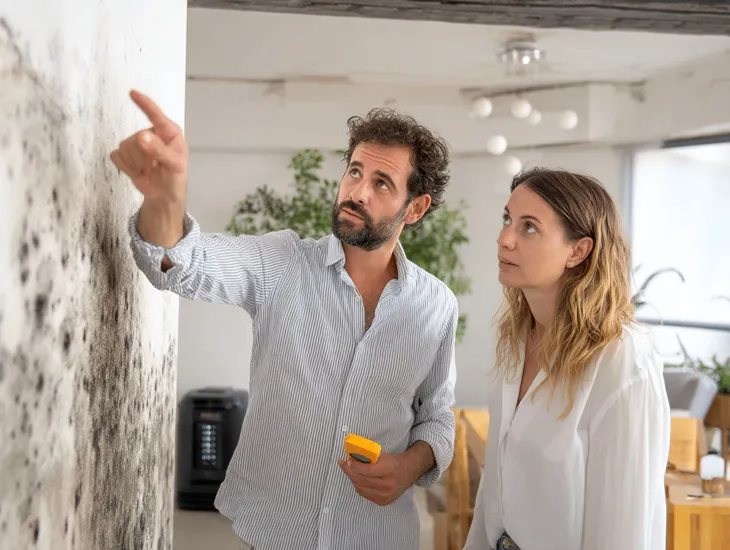
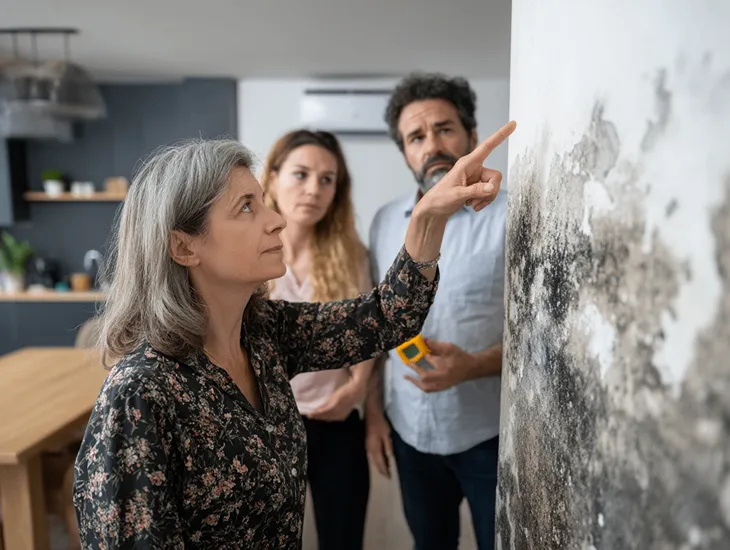
Living in a tropical paradise comes with a hidden adversary that many expats and long-stay visitors underestimate: mold. The persistent dampness of the rainy season, combined with the island’s high humidity, creates the perfect breeding ground for microbial growth. 

It starts subtly—a musty smell in the wardrobe, a small patch on the ceiling—but quickly escalates into a pervasive issue that daily cleaning cannot solve. For families, this isn’t just an aesthetic nuisance; it poses a genuine health risk, particularly for young children and those with respiratory sensitivities.

The frustration builds when standard housekeeping fails to keep the problem at bay. You might hire maids to wipe surfaces daily, only to find the mold returning within 48 hours. This cycle of “wipe and wait” is exhausting and ineffective because it treats the symptom, not the cause. 

Without addressing the underlying micro-climate of your home, you are fighting a losing battle against nature. The realization that your beautiful villa might be making your family sick can turn the dream of island living into a stressful logistical nightmare.

The solution requires a totally different strategy: moving from surface management to environmental control. Solving the mold issue in Bali demands a comprehensive approach that integrates mechanical dehumidification, strategic ventilation, and specialized maintenance protocols. This guide will walk you through the science-backed methods to reclaim your home from dampness, ensuring a healthy and comfortable living space for your family in 2026.

Why Mold Thrives Villas in Bali, Indonesia

The villa mold problem in Bali is driven by the island’s relentless tropical climate. Relative humidity frequently sits between 70% and 90%, providing the moisture fuel that mold spores need to colonize walls, fabrics, and furniture. Unlike drier climates where mold is often due to a specific leak, here, the air itself is the source.

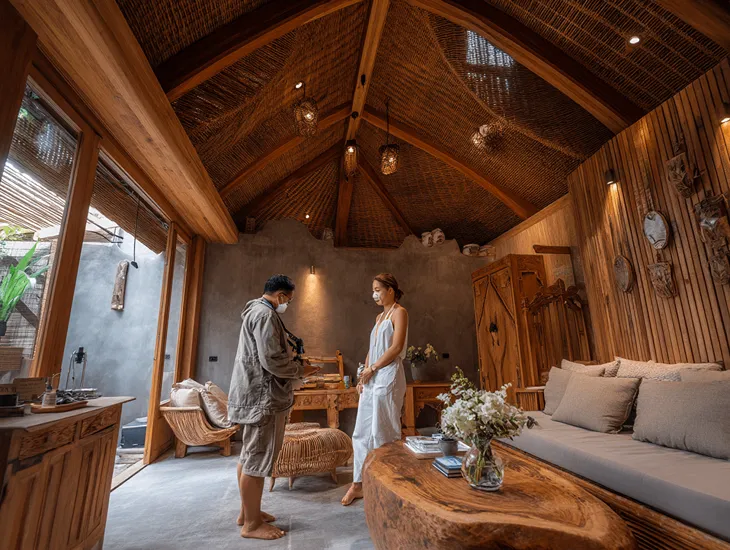
Traditional villa designs, while beautiful, often exacerbate this. Open-air bathrooms, porous stone walls, and insufficient roof ventilation allow moisture to penetrate deep into the structure. 

During the rainy season, this moisture has nowhere to go, leading to “sick building syndrome.” Understanding that your home is essentially a sponge absorbing atmospheric water is the first step in combating the issue effectively.

Health Risks for Families and Staff

Bali villa mold problem 2026 – humidity physics, fast regrowth risk, and building weak points

The implications of a mold infestation extend far beyond property damage. The World Health Organization (WHO) identifies damp indoor environments as a significant risk factor for respiratory infections, asthma, and allergic rhinitis. For children, whose immune systems are still developing, prolonged exposure to mold spores can lead to chronic coughing and wheezing.

It is not just the guests who are at risk; your nannies and domestic staff spending hours in these environments are also vulnerable. A healthy home is a non-negotiable standard for everyone living under your roof. Ignoring the signs—musty odors, peeling paint, or visible spots—can lead to long-term health consequences that are far more costly than investing in proper climate control.
Core Principle: Humidity Control vs Cleaning

To truly solve the villa mold problem in Bali, you must pivot from cleaning surfaces to controlling the air. Mold growth is significantly suppressed when indoor relative humidity is kept between 40% and 60%. Daily maids are essential for hygiene, but they cannot scrub away humidity.

The battle is won or lost on three fronts: dehumidification, ventilation, and source elimination. You need machines to actively strip moisture from the air, airflow to prevent stagnation, and maintenance to stop water ingress. This systems-level approach is the only way to break the cycle of regrowth and create a sanctuary where mold cannot survive.

Dehumidifiers and AC: Sizing and Usage

Mechanical intervention is critical. Air conditioners alone are often insufficient; while they cool the air, they may not remove enough moisture unless set to “dry” mode, which can overcool the room. Dedicated portable dehumidifiers are the gold standard for managing mold in Bali villas.

For a standard bedroom, look for a unit rated to remove 10-12 liters of water per day. For large, open-plan living areas, you may need industrial units rated for 20+ liters. Place them centrally and run them during the day when the house is closed up. 

Remember, evaporative coolers (swamp coolers) add moisture and should be avoided in this climate.

Ventilation and Air Circulation Strategies

Stagnant air is mold’s best friend. Strategic ventilation is key to flushing out moist, stale air. Use exhaust fans in bathrooms and kitchens religiously, ensuring they vent to the outside, not just into the ceiling cavity.

Cross-ventilation is powerful but tricky. Open windows only when the outdoor humidity drops (usually mid-morning on sunny days) and close them before the evening damp sets in. 

Ceiling fans should remain on low to keep air moving across surfaces, preventing condensation from forming on walls and furniture, which is a primary trigger for mold growth in Bali.

Structural Maintenance and Leak Prevention

Bali villa mold problem 2026 – pro inspections, air treatment methods, and lasting prevention

No amount of dehumidification can fix a leaking roof. Structural integrity is the foundation of a dry home. Regular inspections are vital, especially before the wet season. Check for cracked roof tiles, blocked gutters, and failing sealant around windows and doors.

Pay attention to “rising damp”—moisture wicking up from the ground into the walls. This often manifests as bubbling paint near the floor. 

Professional waterproofing of external walls can create a barrier against the driving tropical rain, stopping the water before it enters your living space.

Real Story: The Umalas Asthma Turnaround

Nina knew the sound of the cough before she even opened her eyes. It was a dry, rattling noise that had plagued her four-year-old son for two months. Living in a stunning Umalas villa, she assumed the fresh air would be good for him. 

Instead, they were caught in a cycle of doctor visits and antibiotics that never seemed to work. She blamed the motorbike pollution, until a friend visited and wrinkled her nose at the ‘earthy’ smell in the bedroom. That sniff solved the mystery Nina’s doctors couldn’t.

Desperate, Nina hired a remediation specialist. They found extensive black mold behind the built-in wardrobe, fed by a slow leak from the AC unit above. The intervention was drastic: stripping the wall, fixing the leak, and installing a heavy-duty dehumidifier. 

She also implemented a new protocol for her staff: daily airing of the wardrobe and running the “dry” mode on the AC for two hours every morning.

The result was immediate. Within a week, her son’s cough vanished. The air in the villa felt lighter and crisp. Nina realized that her “clean” house had been hiding a toxic secret. She now swears by her hygrometer, checking humidity levels as diligently as she checks the surf forecast.

Advanced Housekeeping Protocols

“More than daily maids” means upgrading your cleaning staff’s skills. Equip them with the right tools and knowledge. Training should focus on the “dry first” principle: squeegeeing showers immediately after use, drying sinks, and ensuring mops are almost dry before touching the floor.

Introduce mold-inhibiting cleaning agents (like vinegar solutions or specialized biocides) for high-risk areas. Instruct staff to report any musty smells immediately, rather than masking them with air fresheners. 

Regularly rotate and sun-dry mattresses, pillows, and rugs to kill spores with UV light. This proactive partnership with your staff is your frontline defense against the villa mold problem in Bali.

FAQs about Villa Mold Control in Bali

Q: Can air conditioning alone stop mold? 

A: Not entirely. While AC reduces humidity, it often cools surfaces, which can actually cause condensation if the unit cycles off. Dedicated dehumidifiers are far more effective at maintaining stable, low humidity without freezing the room.

Q: How often should I empty my dehumidifier? 

A: In the rainy season, you might need to empty the tank twice a day. Ideally, set up a continuous drainage hose directed into a sink or floor drain to automate the process.

Q: Is vinegar or bleach better for killing mold? 

A: Vinegar is generally recommended for porous surfaces as it penetrates to kill the root. Bleach often just bleaches the color on the surface but leaves the root structure intact, allowing for rapid regrowth.

Q: Can I claim mold damage on my villa insurance? 

A: This varies by policy, but “gradual damage” from humidity is often excluded. Sudden damage from a burst pipe is usually covered. Check your policy wording carefully regarding “mold remediation.”

Q: What is the ideal humidity level for a Bali villa? 

A: Aim for 50-55%. Anything above 60% allows mold to thrive. Anything below 40% can be uncomfortable for your skin and respiratory system in the tropics.

Q: Should I leave fans on when I am not home? 

A: Yes, keeping ceiling fans on low helps maintain air circulation and prevents pockets of stagnant, moist air from forming in corners and behind furniture.

Need help managing the villa mold problem in Bali? Chat with our team on WhatsApp now!