
Review Us
Toddler Speech for Expat Families 2026 – Multilingual confusion, tantrums from delayed speech, and screen time that slows language growth
author-2

Early Language in Bali: Keeping Your 2–3 Year Old on Track

Expat parents in Indonesia face unique challenges regarding toddler speech development. Mixing multiple local dialects and foreign tongues confuses young minds easily. Parents worry constantly about their child missing critical speech milestones.

Delays in communication cause severe frustration for both parents and toddlers. Toddlers throw tantrums when they cannot express their basic needs clearly. This daily friction disrupts household harmony and creates deep parental anxiety.

Passive screen time worsens this communication gap significantly. Relying on tablets for entertainment limits crucial vocal interaction. A silent household restricts the vocabulary growth needed for proper cognitive and social development.

You can check speech milestone guidelines from the World Health Organization to understand normal growth patterns. Establishing a rich speaking environment at home reverses negative trends. Consistent daily interaction builds strong communication skills.

Hiring a professional Babysitter in Bali provides a practical solution. A dedicated caregiver focuses entirely on active verbal engagement. They read books, sing songs, and ask questions to stimulate your child’s growing vocabulary.

Professional support keeps Early Language in Bali on track. Your toddler gains confidence in expressing their needs clearly. Parents enjoy a peaceful home while knowing their child hits every important developmental milestone.

Understanding Toddler Speech Milestones

Two-year-old children should understand basic routines and commands easily. They follow simple instructions like getting their shoes or washing their hands. Recognizing familiar objects and people marks a healthy cognitive progression.

Expressive speech expands rapidly during this third year of life. Toddlers begin linking two or three words to form basic requests. They ask simple questions to explore their immediate physical surroundings safely.

Healthy communication involves taking turns during simple conversations. Children learn to respond to questions and express clear protests verbally. This interactive exchange builds the foundation for complex social relationships later in life.

Warning signs require immediate parental attention and action. A child losing previously learned words needs a professional evaluation quickly. Ignoring these warning signs can delay necessary interventions.

Early intervention prevents minor issues from becoming major obstacles. A Babysitter in Bali can assist parents in tracking Early Language in Bali milestones accurately. Parents gain clear roadmaps for supporting their child’s developmental journey.

Navigating Bilingual Environments for Toddlers

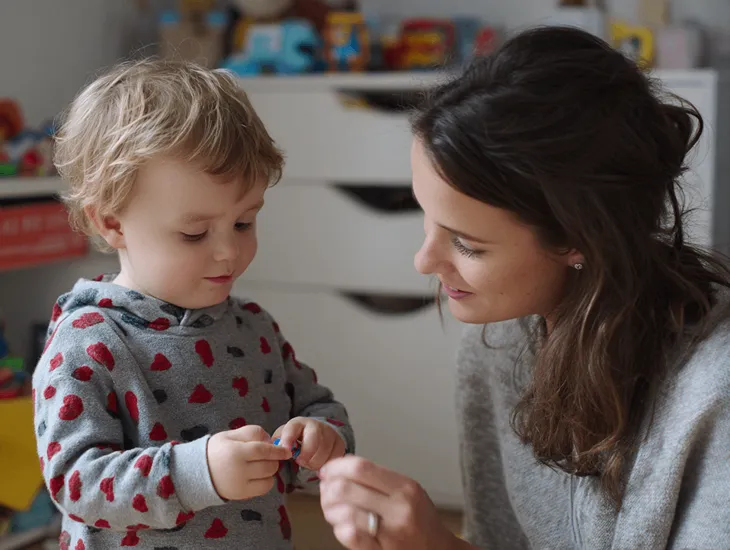
Early Language in Bali 2026 – Childcare professional practicing Indonesian words with an expat child

The local island environment exposes children to three distinct tongues daily. Toddlers hear Indonesian, local dialects, and English constantly. This rich linguistic landscape requires intentional management by parents and caregivers alike.

Maintaining the mother tongue provides crucial cognitive benefits for toddlers. It anchors their early thinking processes and secures family relationships. You must build a strong primary vocabulary before introducing secondary language options.

Bilingual exposure does not harm early communication development. Children build parallel vocabularies when they receive consistent verbal input. Furthermore, they learn translation equivalents naturally through regular daily interactions and play.

A Babysitter in Bali helps balance this bilingual exposure effectively. They can speak Indonesian during morning routines and English at lunch. This structured approach prevents confusion and supports steady language development.

Clear boundaries help toddlers navigate their trilingual environments smoothly. Children learn which language belongs to specific people or settings. This contextual understanding accelerates their overall linguistic comprehension and expressive fluency.
Creating a Rich Daily Speech Environment

Adults must talk constantly about real things happening around them. Narrating daily actions exposes toddlers to practical vocabulary naturally. Describe cutting fruit or washing hands to build their contextual word associations clearly.

Reading picture books together accelerates comprehension and narrative skills. Daily story sessions expose children to words rarely used in basic conversation. A Babysitter in Bali integrates this reading time into the afternoon schedule.

Singing songs with physical gestures supports memory and phonological awareness. Group singing encourages toddlers to vocalize without pressure. Caregivers use simple rhymes to make learning new words fun and highly engaging.

Asking open questions invites toddlers to practice their expressive skills. Pause and wait patiently for them to answer your prompts. Avoid answering for them to encourage independent thinking and verbal confidence.

Proper language development requires immense daily patience. Praising a child’s effort encourages further verbal experimentation. Positive reinforcement makes speaking a joyful and highly rewarding daily experience for the child.

Preschools and Specialist Support Programs

Several local preschools offer excellent English-medium early years programs. They utilize proven frameworks to expand toddler vocabularies systematically. Storytelling and show-and-tell sessions build expressive clarity and public speaking confidence early.

Structured sensory activities help children learn basic letter sounds effectively. These phonics programs link directly to later reading and writing success. Quality daycares weave this structured talk into their daily play routines.

Some children require specialist speech and language support services. Local development centers provide tailored assessments and one-on-one therapy sessions. Professional interventions correct delays and improve overall communication abilities significantly over time.

Caregivers must understand their strict professional boundaries regarding speech delays. A Babysitter in Bali never diagnoses medical or developmental conditions. They strictly implement the practice exercises provided by certified speech therapists.

Group settings provide invaluable peer interaction opportunities. Toddlers learn to negotiate and share using their developing vocabulary. These social environments test and strengthen the communication skills built safely at home.

Real Story: Overcoming Speech Delays in Expat Homes

When Noah, an architect from Australia, moved to Sanur, his two-year-old son struggled with the transition. The hot, sticky weather made outdoor play difficult, and the constant mix of languages overwhelmed him.

Noah realized his son had stopped pointing at objects and was barely making sounds. The toddler communicated mostly through frustrated crying fits. The sudden silence in their home was deeply concerning.

Working long hours on a new villa project left Noah exhausted. He tried reading books at night, but his son would just push them away. Noah desperately needed someone with the energy to engage his son properly during the day.

Noah decided to bring in a local childcare professional for support. The caregiver arrived with colorful picture books and a calm, encouraging demeanor. She immediately started narrating their quiet indoor playtime in clear, simple English.

She sang interactive songs, waiting patiently for him to mimic the hand gestures. Her consistent, focused attention gave the toddler the space he needed to process sounds without any pressure.

Over several months of this dedicated support, his son finally began pointing and saying single words again. Noah felt an enormous weight lift off his shoulders. His son’s language development was finally progressing in their new environment.

How a Caregiver Supports Daily Speech

Early Language in Bali 2026 – Babysitter in Bali singing interactive songs with a toddler

Professional caregivers transform passive supervision into active learning opportunities. They build language blocks into every segment of the day. Morning routines involve naming clothing items and discussing the breakfast menu actively.

Midday schedules include targeted storytelling and conversation around the lunch table. Caregivers name different foods and ask the child preference questions. This prevents silent eating and encourages continuous verbal engagement safely.

Afternoon activities feature role-play games like a pretend shop. These games force toddlers to use language to negotiate and request items. A Babysitter in Bali guides these interactions to maximize vocabulary usage.

Caregivers limit passive screen exposure strictly during their working hours. They replace tablets with physical toys and outdoor exploration. Consequently, this active environment is vital for maintaining proper Early Language in Bali targets. 

Excursions to local markets stimulate entirely new vocabulary sets. The caregiver points out different fruits and colors during the trip. This real-world exposure solidifies the child’s understanding of abstract verbal concepts.

Aligning Home Care with Preschool Goals

Consistency between school and home accelerates learning significantly. Caregivers mirror the exact language practices used in local preschool classrooms. They sing the same educational songs to reinforce memory and phonological awareness.

If a school focuses on phonics, the caregiver practices letter sounds. They point out specific letters on street signs during walks. This seamless integration ensures the toddler receives uniform educational messages daily.

Expat families often have specific linguistic goals for their children. A Babysitter in Bali maintains English at home while the child attends local school. This deliberate separation builds strong bilingual capabilities over time.

When therapists assign home exercises, caregivers ensure their completion. They integrate these specific speech tasks into regular afternoon play. This diligent follow-through maximizes the effectiveness of any professional interventions.

Open communication between parents and caregivers guarantees success. Daily debriefs allow the caregiver to report new words the child used. As a result, this collaborative approach keeps everyone aligned on the child’s developmental progress.

Screening and Vetting Reliable Caregivers

Trusting someone with your child’s development requires rigorous professional screening. We demand a minimum of three years of verified childcare experience. Every candidate must provide excellent references from previous expat families.

Background checks form the foundation of our strict hiring process. We prioritize candidates with a proven history of safe, reliable service. Your family receives a deeply trusted professional in your private home.

Internal training focuses heavily on active engagement techniques. Our caregivers learn how to model language and expand child utterances correctly. They understand how to build consistent routines using songs and stories.

Bilingual capability remains a strong advantage for our staff. They follow parent instructions regarding which language to prioritize daily. A Babysitter in Bali executes your specific family communication plan with precision.

We ensure our staff remain physically fit and healthy. Caring for active toddlers requires high energy and constant vigilance. With expert help, your child’s language development is well supported.

FAQs about Early Language in Bali

Q: What are normal speech milestones for a two-year-old?

A: By two, they should understand simple commands and use two-word phrases regularly.

Q: Does hearing multiple languages confuse a toddler?

A: No, consistent input in distinct languages helps children build parallel vocabularies without causing developmental harm.

Q: How can parents improve toddler vocabulary at home?

A: Parents should read daily, sing interactive songs, and narrate their physical actions to the child constantly.

Q: Should we limit screen time for language development?

A: Yes, passive screen time restricts verbal interaction. Active play and talking are essential for speech growth.

Q: How does a caregiver help with speech delays?

A: A Babysitter in Bali provides constant verbal interaction and executes practice exercises assigned by speech therapists.

Q: Can a caregiver diagnose a speech delay?

A: No, caregivers cannot diagnose medical conditions. They only support your child’s communication through active daily play.

Need an extra hand to take care of your little one? Chat with our team on WhatsApp now!