
Review Us
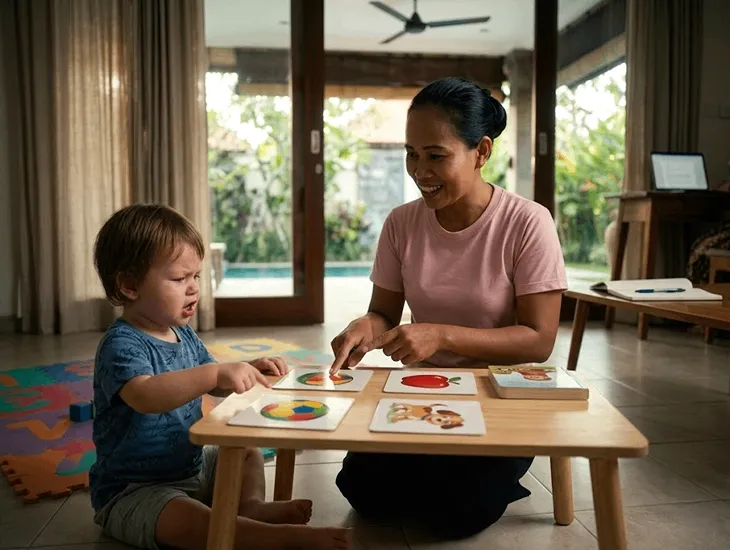
Speech Delay in Kids 2026 – early speech milestones, warning signs of delayed language, calm daily practice with babysitters in Bali
author-2

Speech Delay in Kids: Early Signs to Look For and When to Talk to a Professional

Expatriate parents often worry about their child’s language development milestones while living abroad. Identifying potential speech delays is stressful without a local support network.

Watching your toddler struggle to communicate basic needs creates daily frustration. You constantly wonder if their silence is a normal phase or a sign of deeper pediatric communication struggles.

Ignoring these early warning signs severely impacts their long-term social skills and literacy. According to the Centers for Disease Control and Prevention, untreated language issues drastically increase behavioral meltdowns.

Balancing your demanding remote work schedule leaves little time to implement intensive communication therapies. Your child’s extreme frustration during daily interactions disrupts the entire household and heightens parental anxiety.

Addressing a speech delay in kids early ensures better developmental outcomes. Implementing structured language routines effectively bridges the communication gap and reduces daily tantrums for your growing toddler.

Hiring a professional babysitter in Bali provides vital relief for busy expatriate families. They apply expert techniques to encourage vocalization, creating a language-rich environment while you manage your career.

Recognizing Early Warning Signs in Toddlers

Parents must observe how their children respond to simple communication demands daily. A lack of babbling by twelve months is an immediate red flag for a potential language problem.

Toddlers who do not use gestures like pointing or waving face significant communication hurdles. This lack of interaction severely limits their ability to express basic physical needs safely.

Another critical warning sign involves not responding when you call their name. This unresponsiveness requires careful observation to rule out potential hearing loss or other developmental conditions entirely.

A trained babysitter in Indonesia closely monitors these specific developmental milestones during play. They document recurring issues, providing you with detailed observations to share with your pediatric specialist.

Catching pediatric communication struggles early allows families to implement corrective strategies quickly. Prompt identification dramatically improves the overall effectiveness of future professional speech therapy interventions.

Understanding the Impact on Social Skills

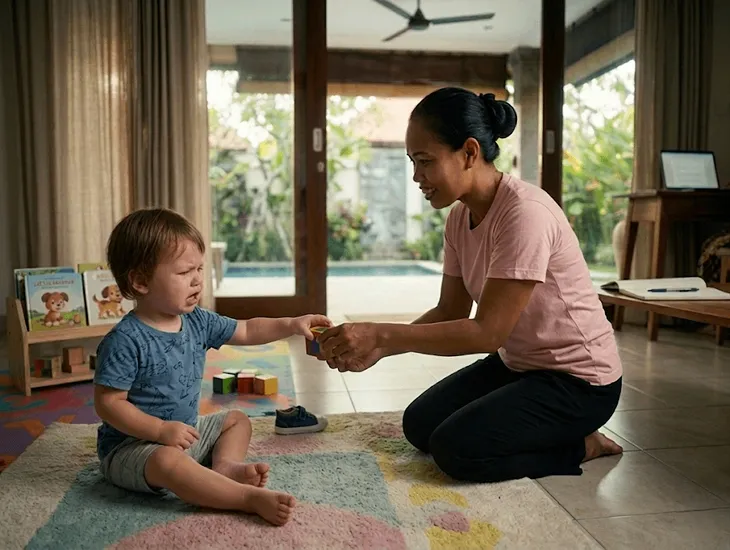
Speech Delay in Kids 2026 – social skills and early communication, untreated language delays, toddlers’ tantrums and peer conflicts, calm babysitter playdate support in Bali

Untreated language delays severely hinder a child’s ability to build essential social skills. Toddlers struggle to interact with peers when they cannot articulate their thoughts or share emotions.

This intense frustration often leads to physical acting out, such as biting or hitting. Children rely on these negative behaviors simply because they lack the vocabulary to express anger.

Long-term academic performance often suffers when early communication problems remain completely unresolved. Poor literacy skills directly correlate with untreated language development delays during the critical early childhood years.

A reliable babysitter in Bali actively facilitates positive peer interactions during scheduled playdates. They gently guide toddlers through conflicts, modeling appropriate verbal responses to reduce physical outbursts.

Addressing a speech delay in kids proactively protects their long-term emotional well-being. Giving children the tools to communicate fosters independence and vastly improves their confidence in social settings.
When to Consult a Healthcare Professional

Determining exactly when to seek clinical help confuses many expatriate parents living overseas. You should consult a medical professional immediately if your child regresses in their language abilities.

Frequent occurrences of self-injury during communication attempts warrant a prompt medical review. Extreme frustration signals that the child feels misunderstood and requires immediate professional pediatric intervention.

Never adopt a wait-and-see approach if you suspect a serious issue. Experts confirm that early intervention provides the absolute best chance for overcoming pediatric communication struggles successfully.

Your family doctor can formally diagnose language delays using standardized assessments. They will check for underlying issues like hearing impairment before recommending a specific therapy plan.

A professional childcare assistant supports your clinical journey by attending therapy sessions. They learn the prescribed exercises and seamlessly integrate these critical therapies into your child’s daily routine.

Establishing Structured Daily Communication Routines

Children thrive on predictability and clearly defined boundaries throughout their day. Structured routines naturally encourage language development by providing repetitive, familiar contexts for learning new vocabulary words.

Narrating daily activities is an excellent way to boost early language acquisition. Simply describing what you are doing during bath time exposes toddlers to proper sentence structures constantly.

A skilled babysitter in Indonesia strictly follows these specialized home programs daily. They maintain consistent schedules, ensuring your child receives continuous language stimulation while you work remotely.

Using visual schedules helps non-verbal children anticipate transitions without experiencing severe anxiety. Pointing to pictures empowers them to communicate choices when spoken words remain too difficult to produce.

Managing communication struggles requires patience and daily repetition. Establishing a predictable environment lowers stress, making your toddler much more receptive to learning new sounds.

Real Story: Finding Support in Canggu

Dion struggled to manage his Canggu villa while his son screamed. Two-year-old Mateo threw wooden blocks against the tile floor instead of asking for his afternoon snack.

The noise echoed through the open living room. Dion gripped his laptop, typing emails with one hand while trying to hand Mateo a slice of papaya.

Mateo swatted the fruit away, his face turning red as he pointed vaguely toward the kitchen counter. Dion needed immediate local childcare assistance to break this daily cycle.

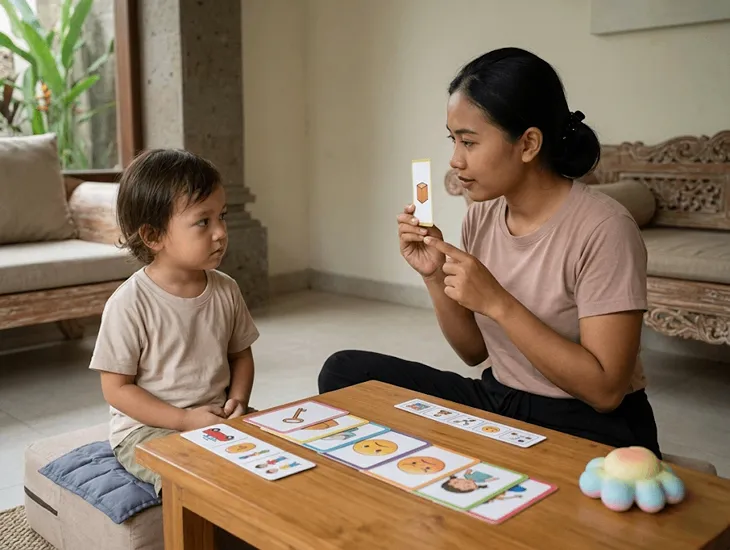
He hired an experienced caregiver through our specialized agency for afternoon support. The assistant, Sari, arrived and immediately knelt to Mateo’s eye level with a set of picture cards.

Sari tapped a picture of a cracker and waited for Mateo to mimic her lip movements. Mateo stopped throwing blocks, staring intently at the card before making a soft sound.

Dion closed his email draft and watched the session from the dining table. The targeted intervention stopped the daily tantrums and established a clear path for Mateo’s vocal progress.

Navigating Co-Occurring Developmental Conditions Safely

Speech Delay in Kids 2026 – autism and global developmental delay, red‑flag behaviors like no eye contact, special needs babysitter support in Bali for anxious parents

Sometimes, delayed vocalization indicates broader developmental conditions like autism or global developmental delay. Understanding these complex overlaps ensures your child receives the appropriate holistic medical care quickly.

Repeatedly ignoring names or avoiding eye contact requires comprehensive clinical evaluation immediately. These red-flag behaviors distinguish a simple language hurdle from a more intricate neurodevelopmental profile.

When facing a complex diagnosis, parental anxiety often reaches overwhelmingly high levels. Securing specialized domestic support helps you manage these unique challenges without suffering from severe burnout.

Parents must hire a babysitter in Bali experienced with special needs childcare. These professionals understand how to adapt activities to accommodate unique sensory sensitivities and communication styles safely.

Understanding the root cause of language delays prevents misdiagnosis and improper care. Accurate medical assessments lead to targeted therapies that vastly improve the child’s daily functioning.

Choosing a Qualified Babysitter in Bali

Vetting childcare providers for children with speech delays requires targeted interview questions. You must prioritize candidates who have verifiable experience managing pediatric communication struggles and special needs.

Ask potential hires how they handle extreme frustration and non-verbal temper tantrums. Their response must highlight patience, clear communication, and the ability to follow strict behavioral protocols calmly.

A top-tier babysitter in Indonesia communicates effectively with both parents and therapists. They act as a crucial bridge, ensuring therapeutic exercises are practiced correctly during your working hours.

Requesting references from previous families dealing with similar developmental hurdles is essential. This verification guarantees the caregiver possesses the required stamina and specialized knowledge to support your child.

Families navigating a speech delay in kids need compassionate, highly trained domestic staff. Proper vetting ensures your child receives safe, evidence-based support while living away from your home country.

Creating Language-Rich Environments at Home

Transforming your villa into a language-rich environment heavily supports your child’s clinical therapy. Reading books aloud daily exposes infants to diverse vocabulary and proper grammatical structures naturally.

Singing nursery rhymes introduces rhythm and helps toddlers distinguish different phonetic sounds easily. These engaging activities make learning enjoyable, reducing the pressure surrounding formal communication practice sessions.

A dedicated babysitter in Bali utilizes interactive play to stimulate verbal expression continuously. They ask open-ended questions and patiently wait for the child to attempt a vocal response.

Limiting excessive screen time is vital for promoting healthy language development milestones. Digital devices isolate toddlers, whereas interactive human play forces them to practice essential two-way communication skills.

Conquering early communication struggles requires a unified effort from all household adults. Consistency between parents and caregivers guarantees the child receives positive reinforcement for every vocal attempt.

FAQs about Speech Delay in Kids

Q: What causes delayed language development in toddlers? 

A: It stems from hearing loss, oral-motor issues, or broader developmental conditions like autism.

Q: When should I worry about my child not talking? 

A: Seek professional help if a child shows no babbling by twelve months or regresses in speech.

Q: Can a babysitter in Bali help with speech therapy?

A: Yes, a trained caregiver follows prescribed home programs and encourages daily vocalization routines.

Q: Is ignoring a speech issue dangerous? 

A: Yes, untreated problems negatively affect long-term literacy, social skills, and academic performance.

Q: How does screen time affect toddler language skills? 

A: Excessive screen time limits human interaction, which is critical for developing expressive language skills.

Q: Does extreme frustration indicate a severe problem? 

A: Severe frustration during communication demands requires an immediate evaluation by a pediatric specialist.

Need help with Speech Delay in Kids, Chat with our team on WhatsApp now!